
Mold and Die Sector
For years, Nuova C.U.M.E.T. has excelled in excellence and innovation in the field of molds and dies, offering solutions tailored to the precise needs of this industry. Our Made in Italy quality and ongoing commitment to research make us the ideal partner to meet the unique challenges of this industry.
Benefits of Our Solutions
Precision and Reliability for Molds and Matrices
In the precision mold industry, where high precision and reliability are critical, our tools stand out for their superior performance and build quality.
The main features of our products include:
- Millesimal Precision : Designed to ensure extremely precise machining, our tools are essential for producing high-precision molds for critical components.
- High Quality Materials: We use premium materials and state-of-the-art technologies to ensure maximum durability and reliability of our tools, ensuring consistent results over time even under extreme working conditions.
- Wear Resistance : Our tools are designed to withstand the wear and repeated stresses typical of the precision mold industry, ensuring long tool life and reliable performance over time.
- Adaptability to Diverse Applications: From milling to grinding and finishing, our tools are designed to tackle a wide range of materials and shapes in the precision mold industry, ensuring versatility and precision at every stage of the manufacturing process.
Tools Mainly used:
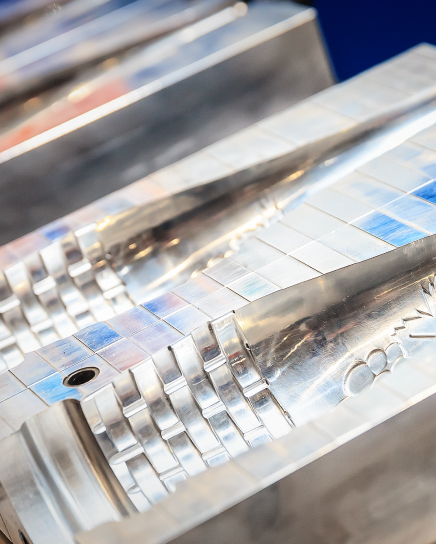
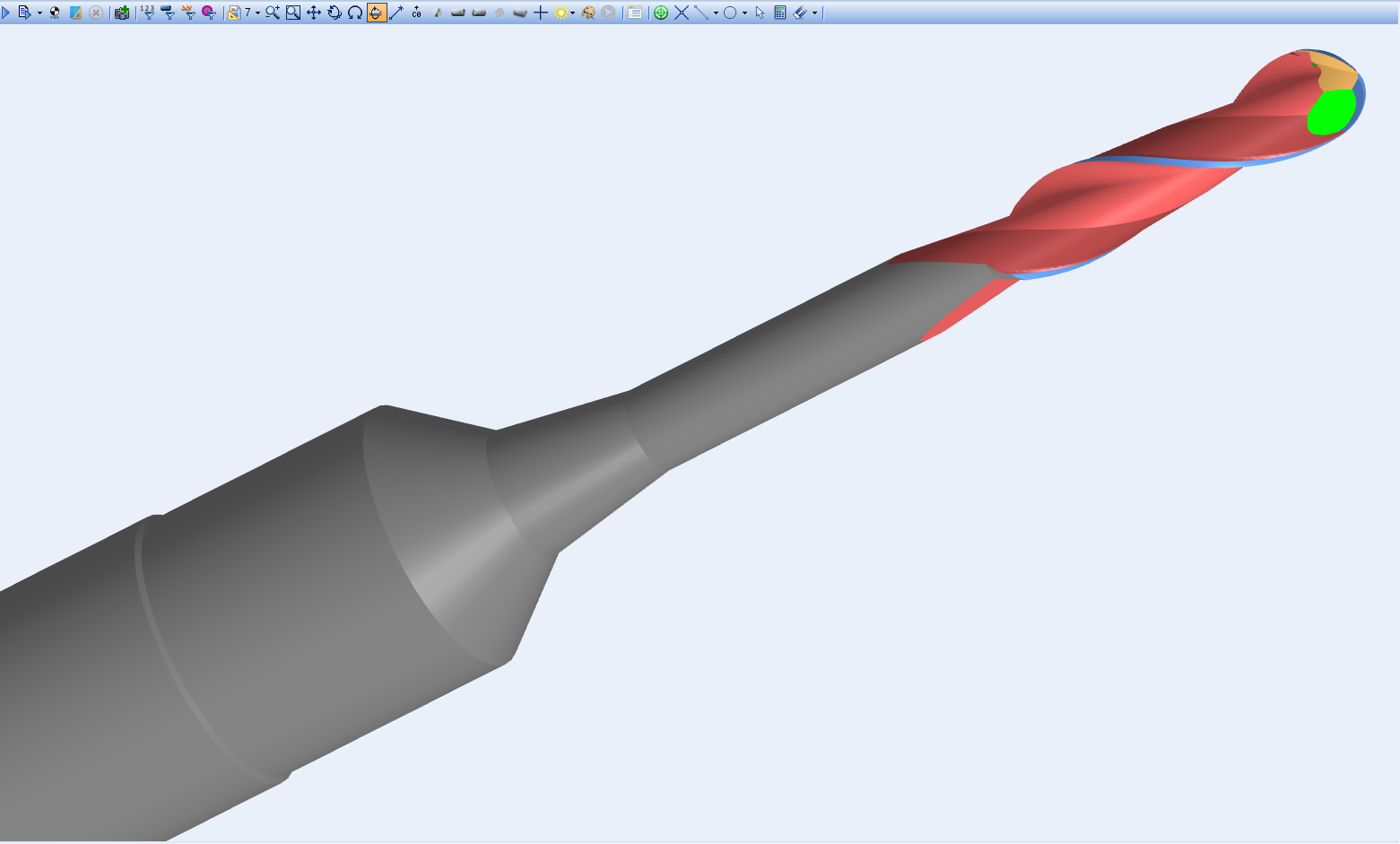
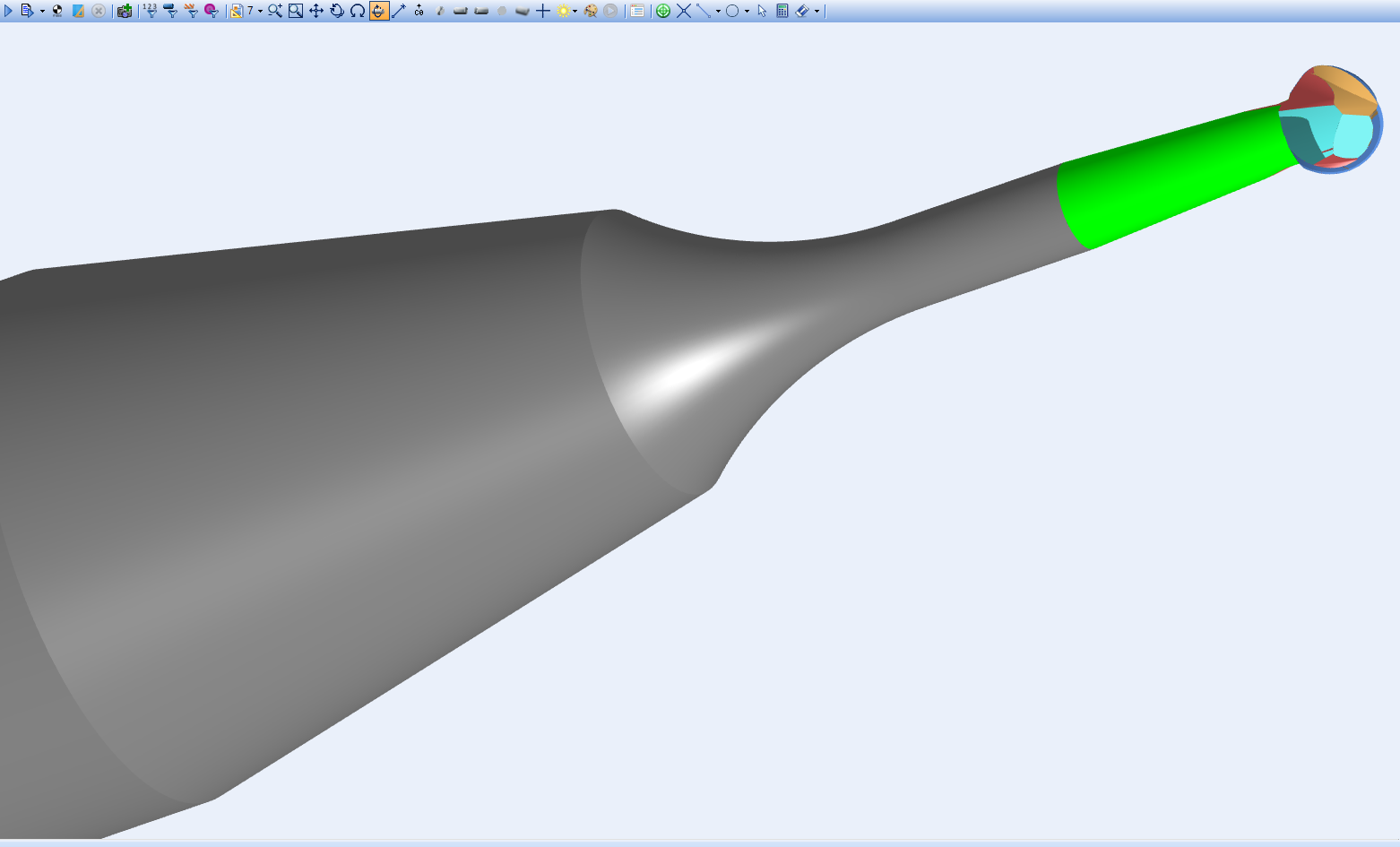
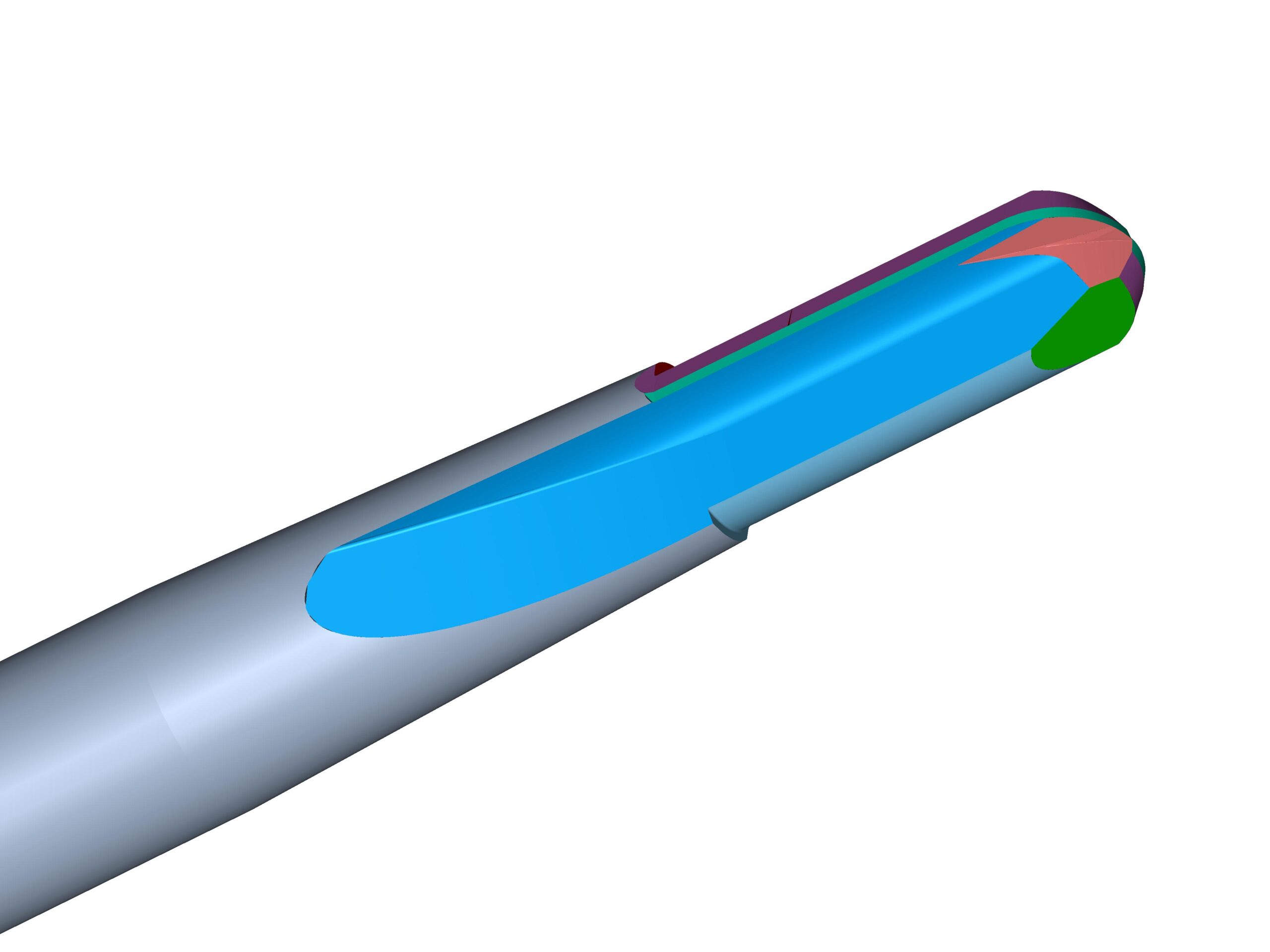
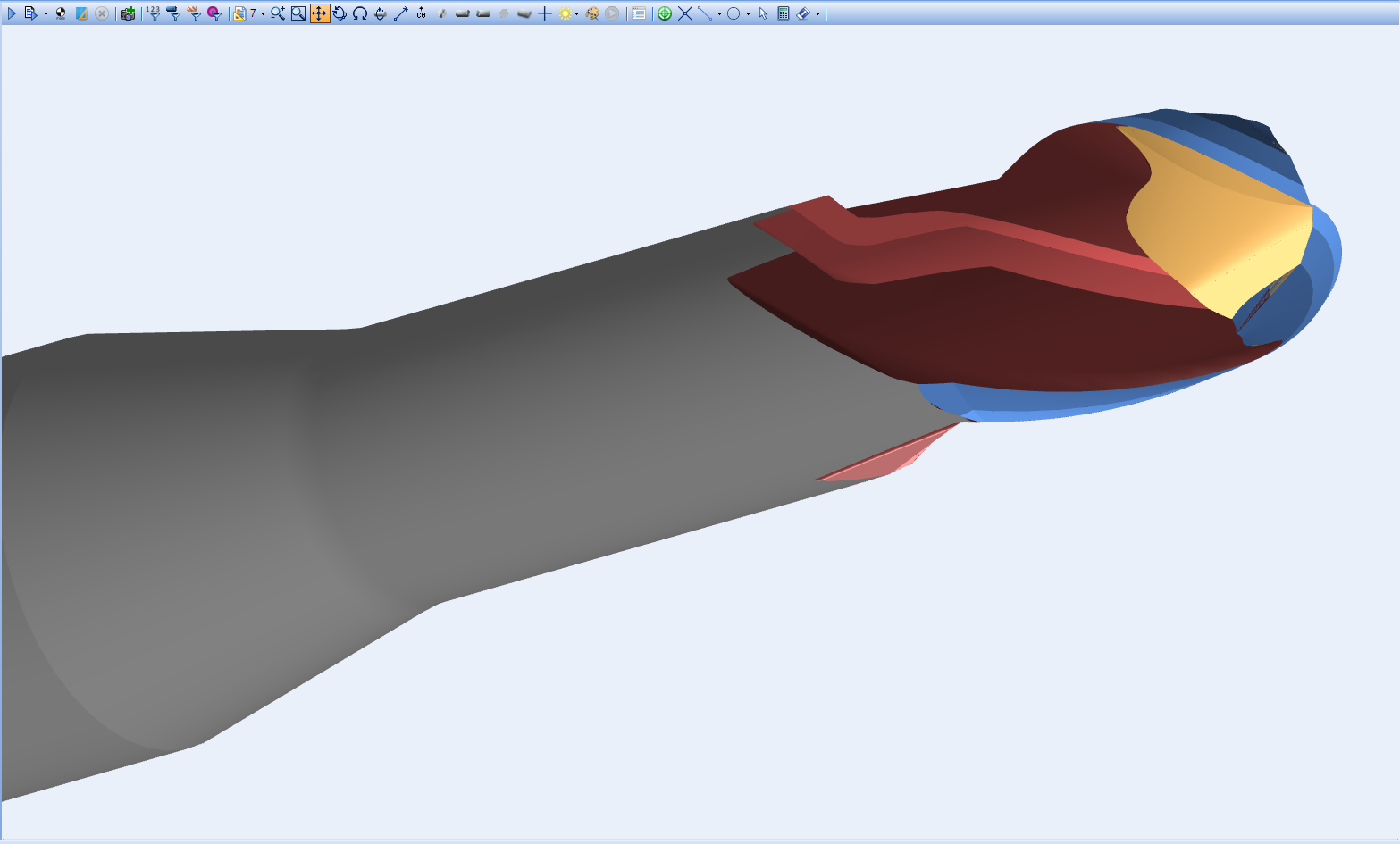
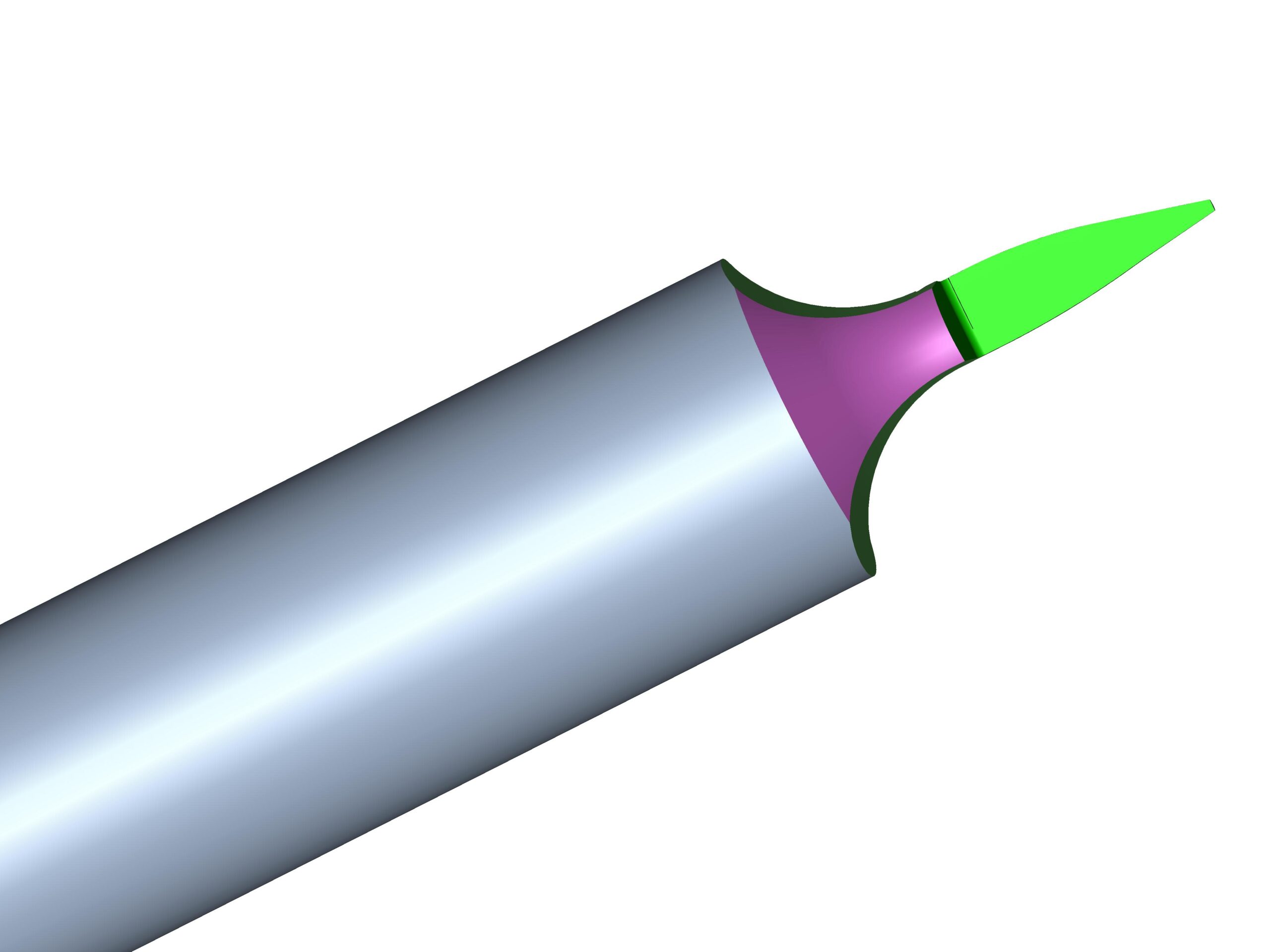
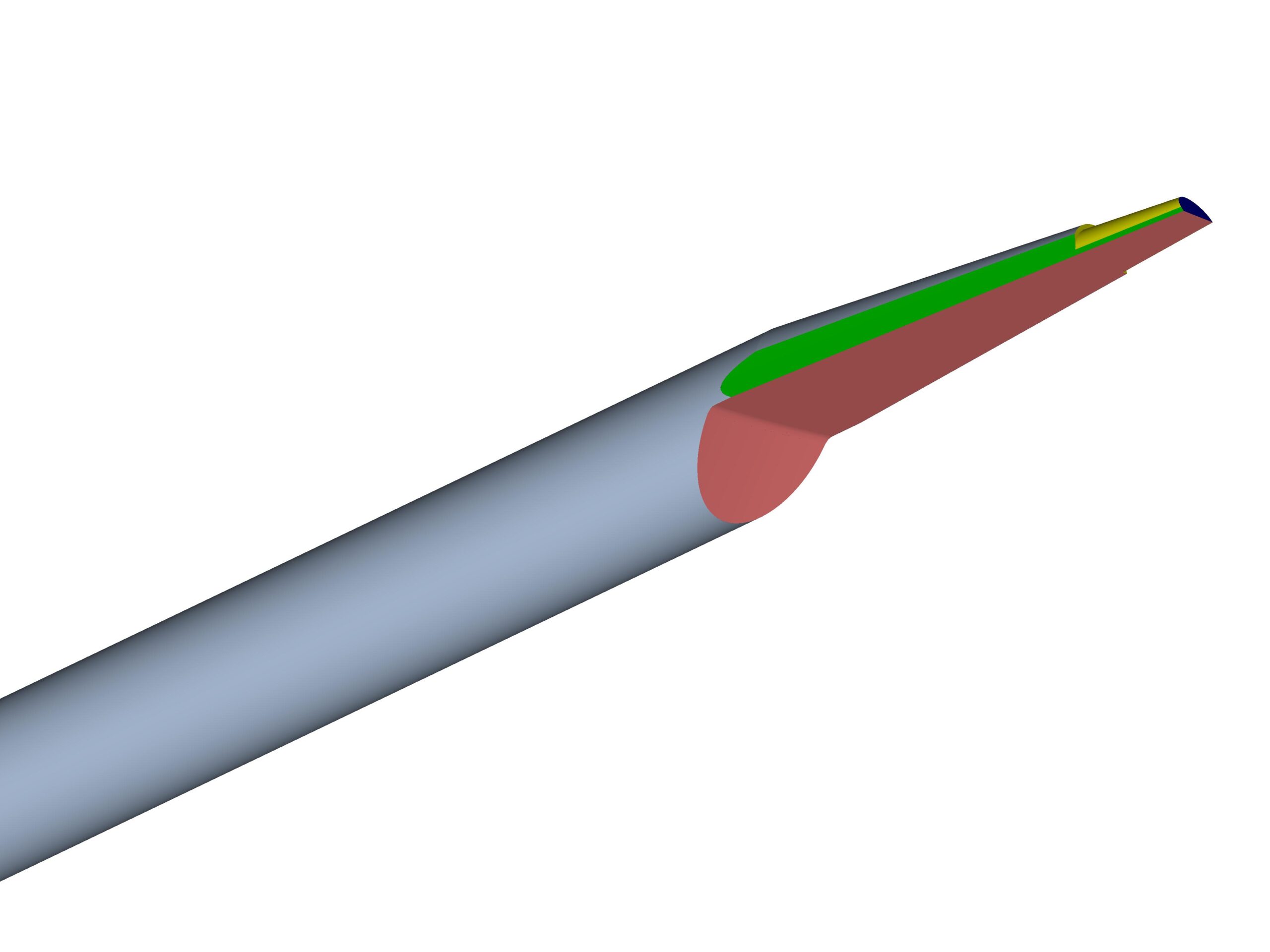
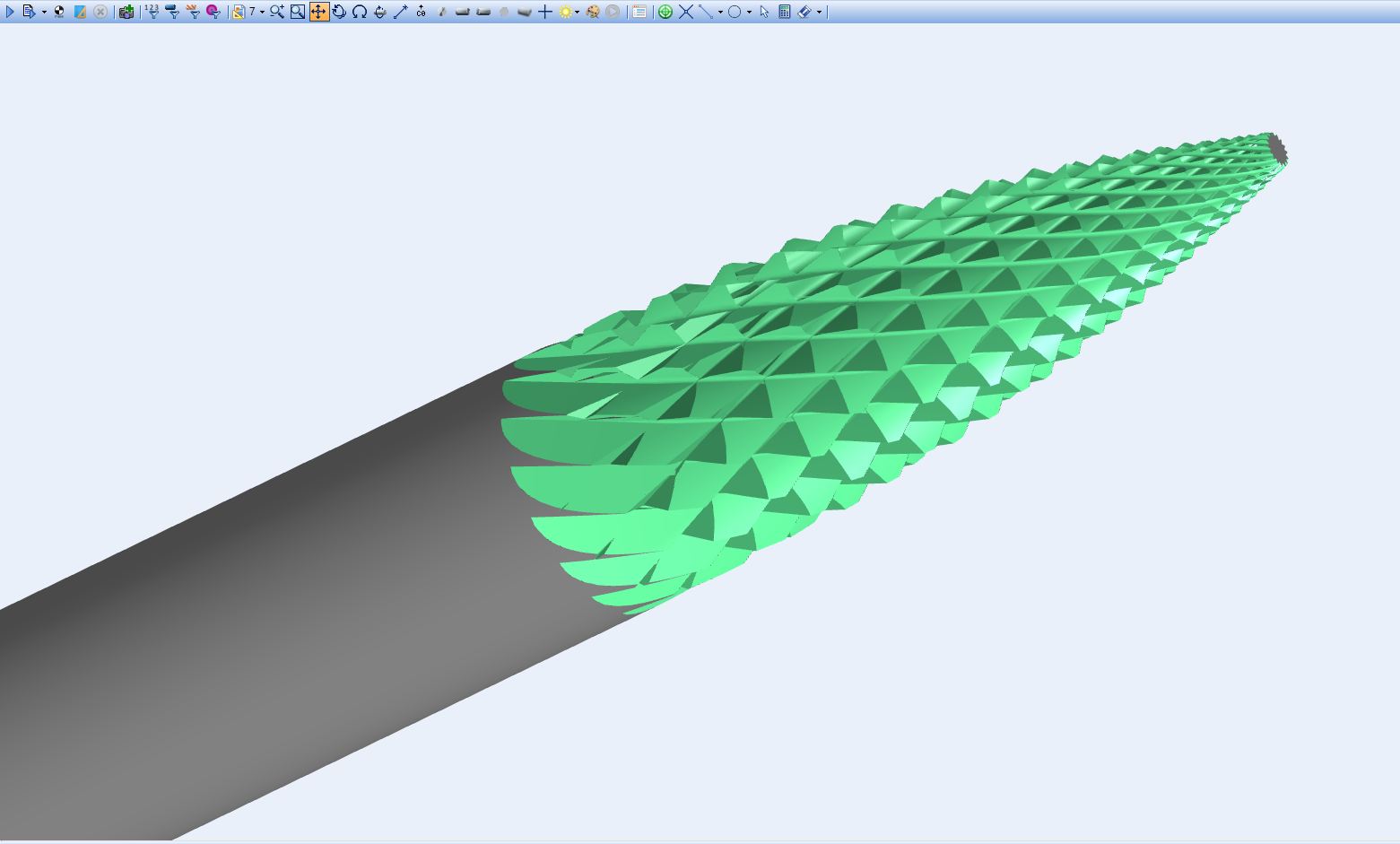
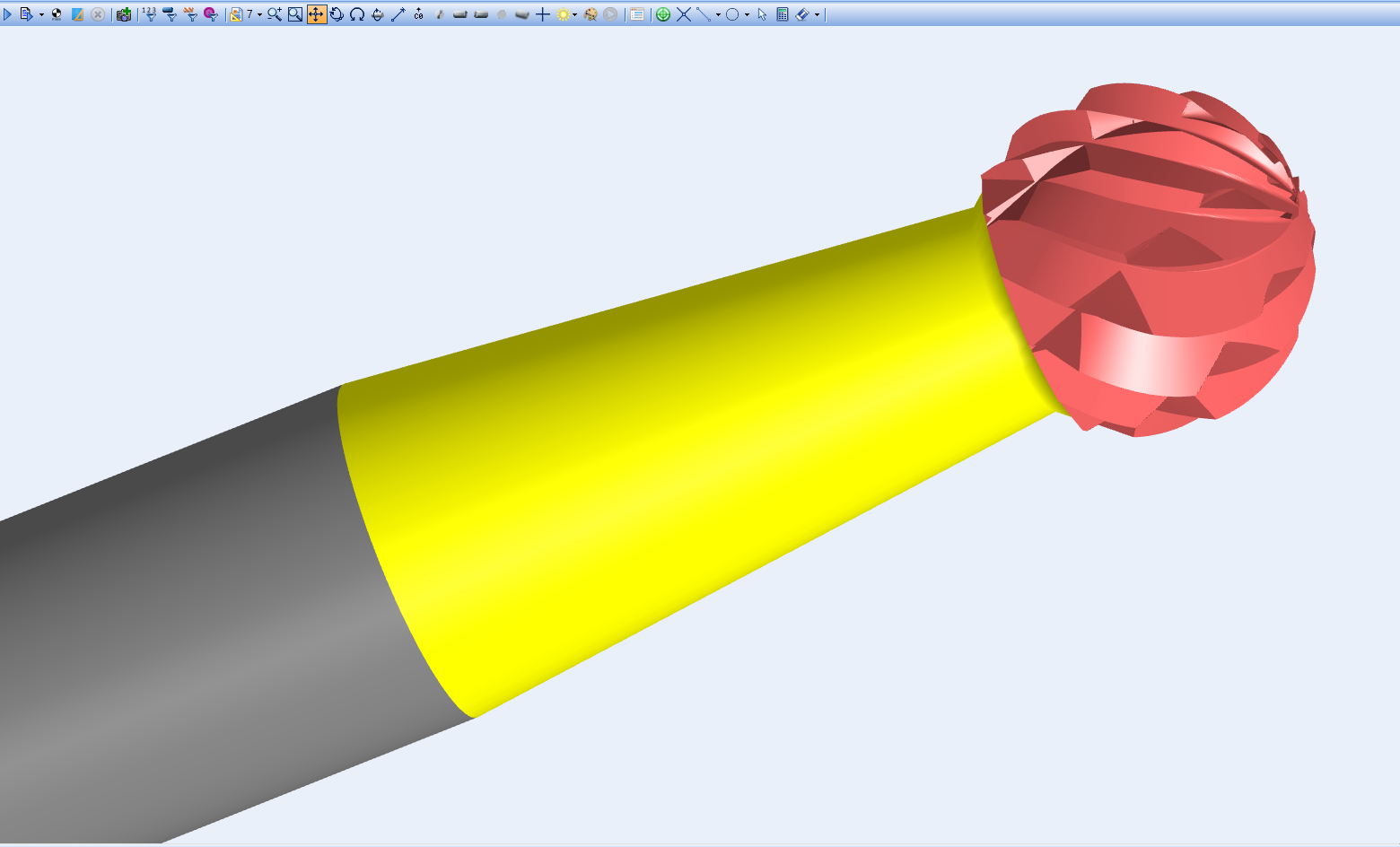
- Ball end copying End Mills for machining molds and dies in metal and composite materials
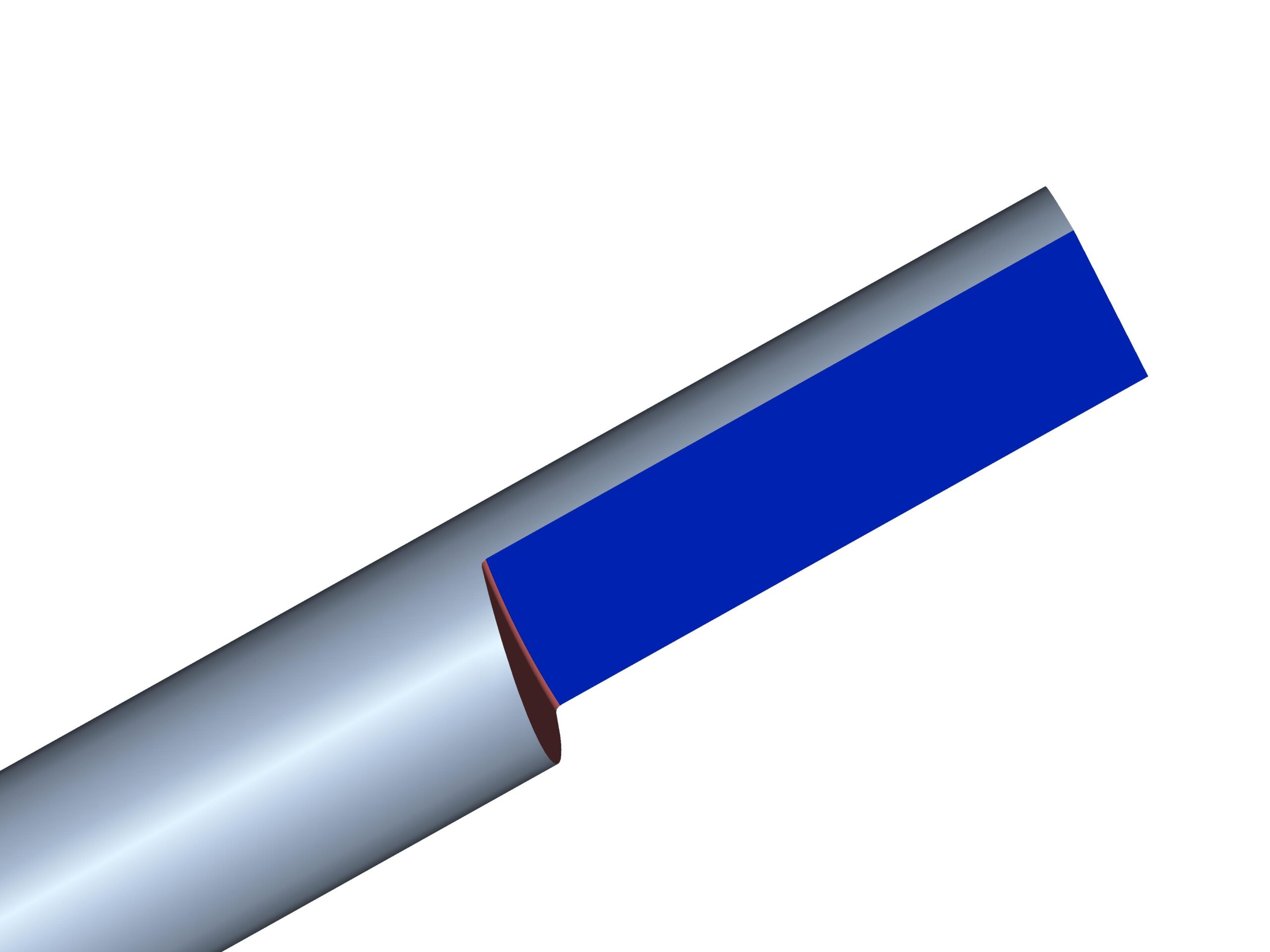
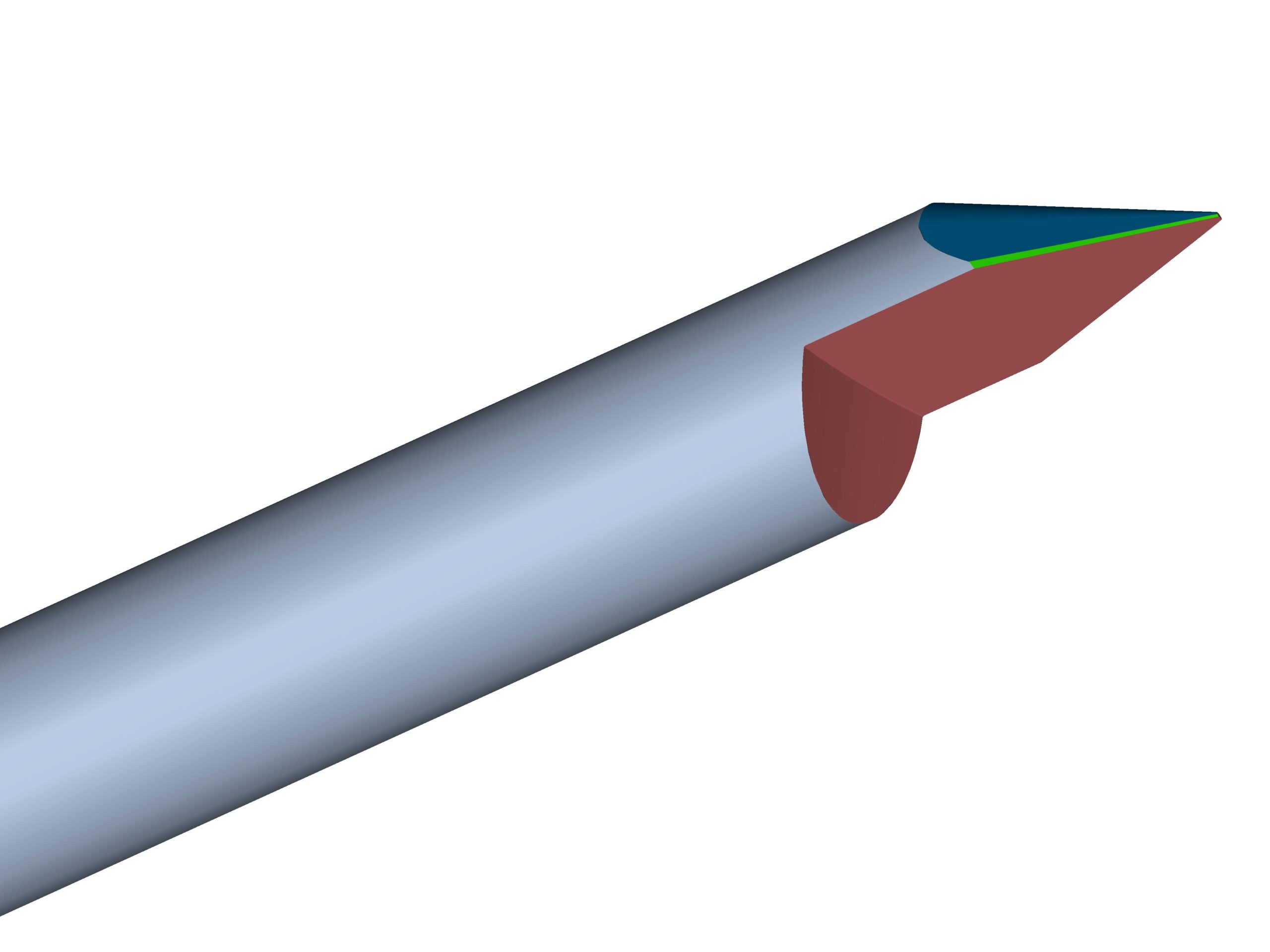
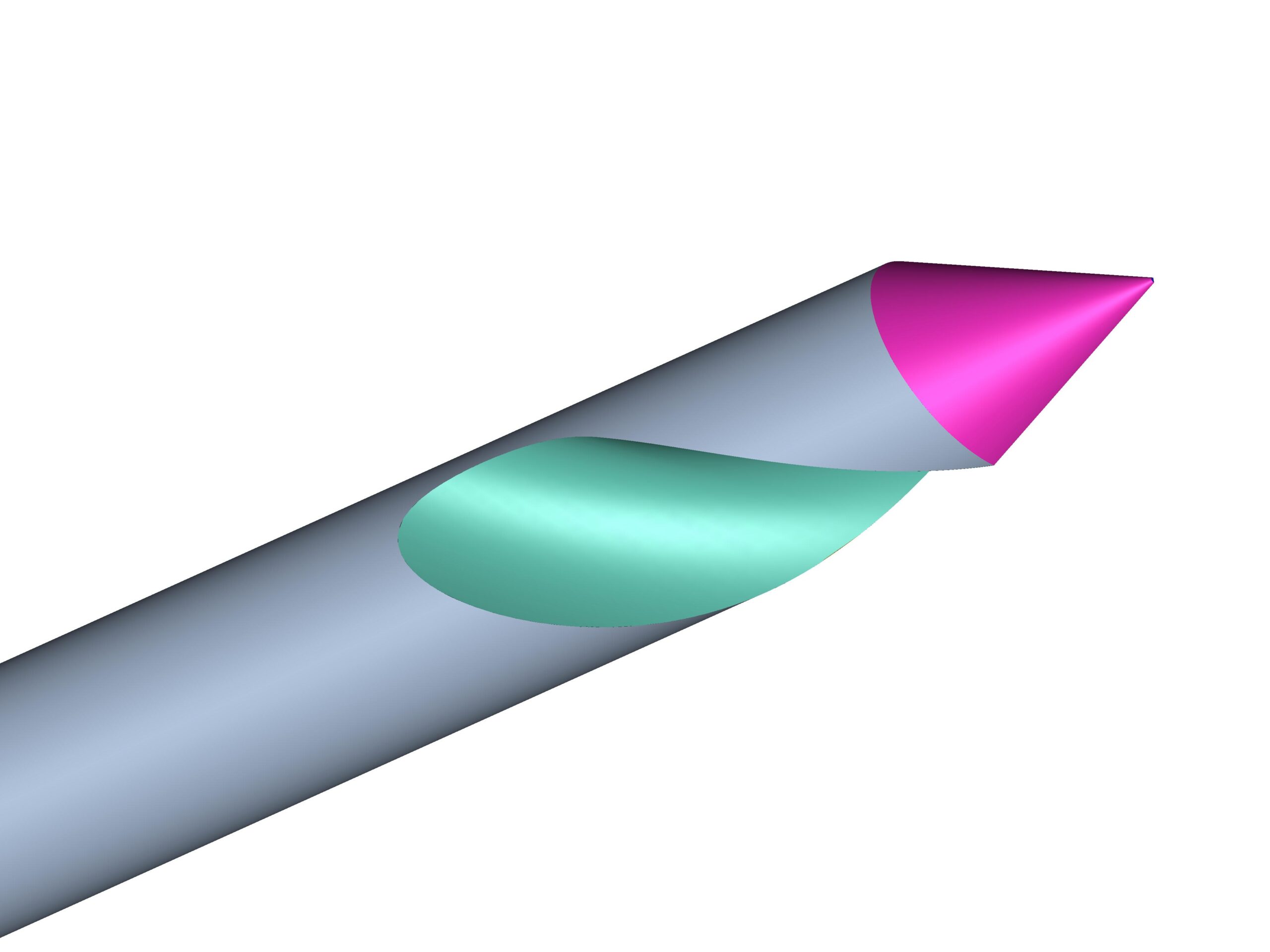
- Drills and reamers for making precise holes and molds details
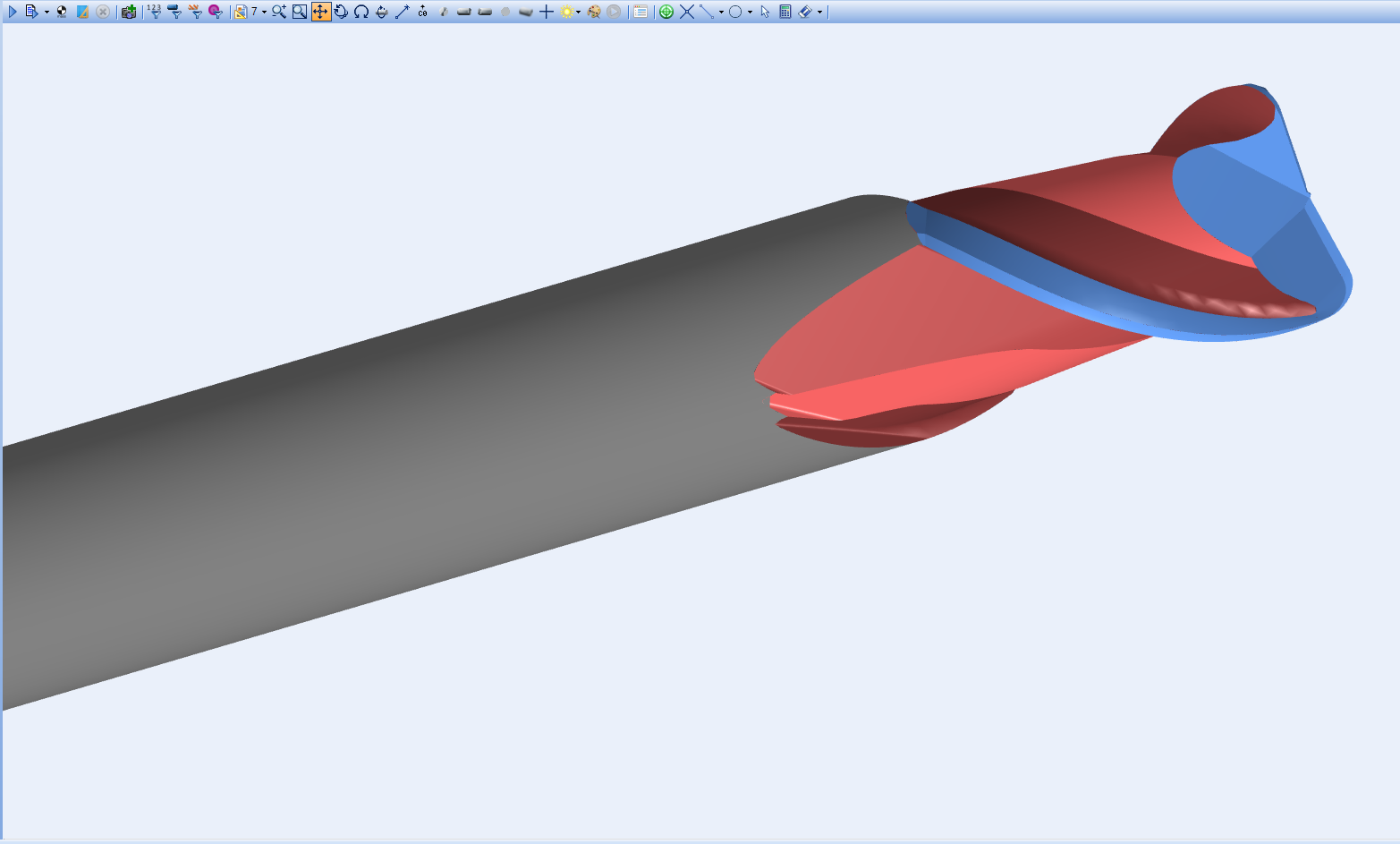
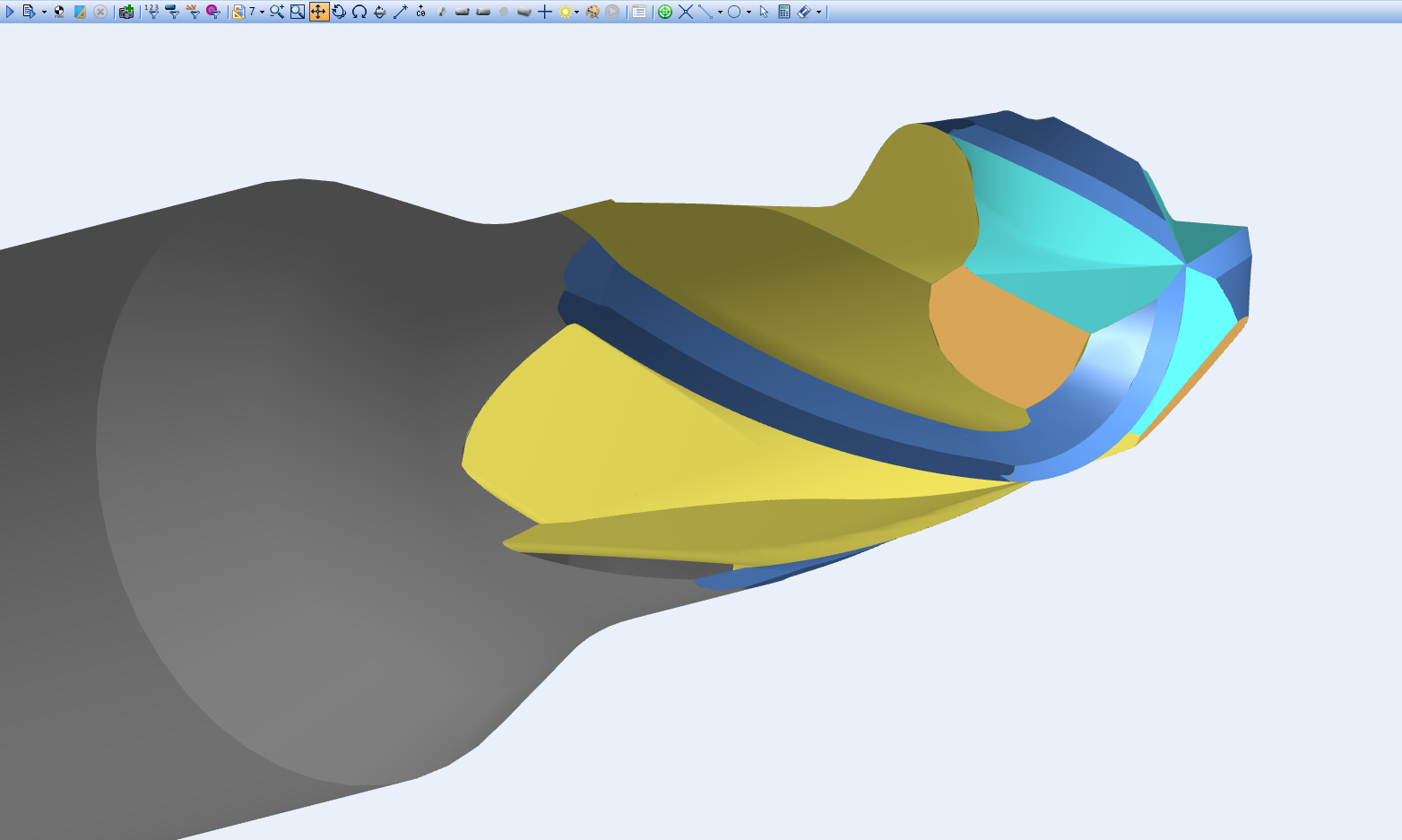
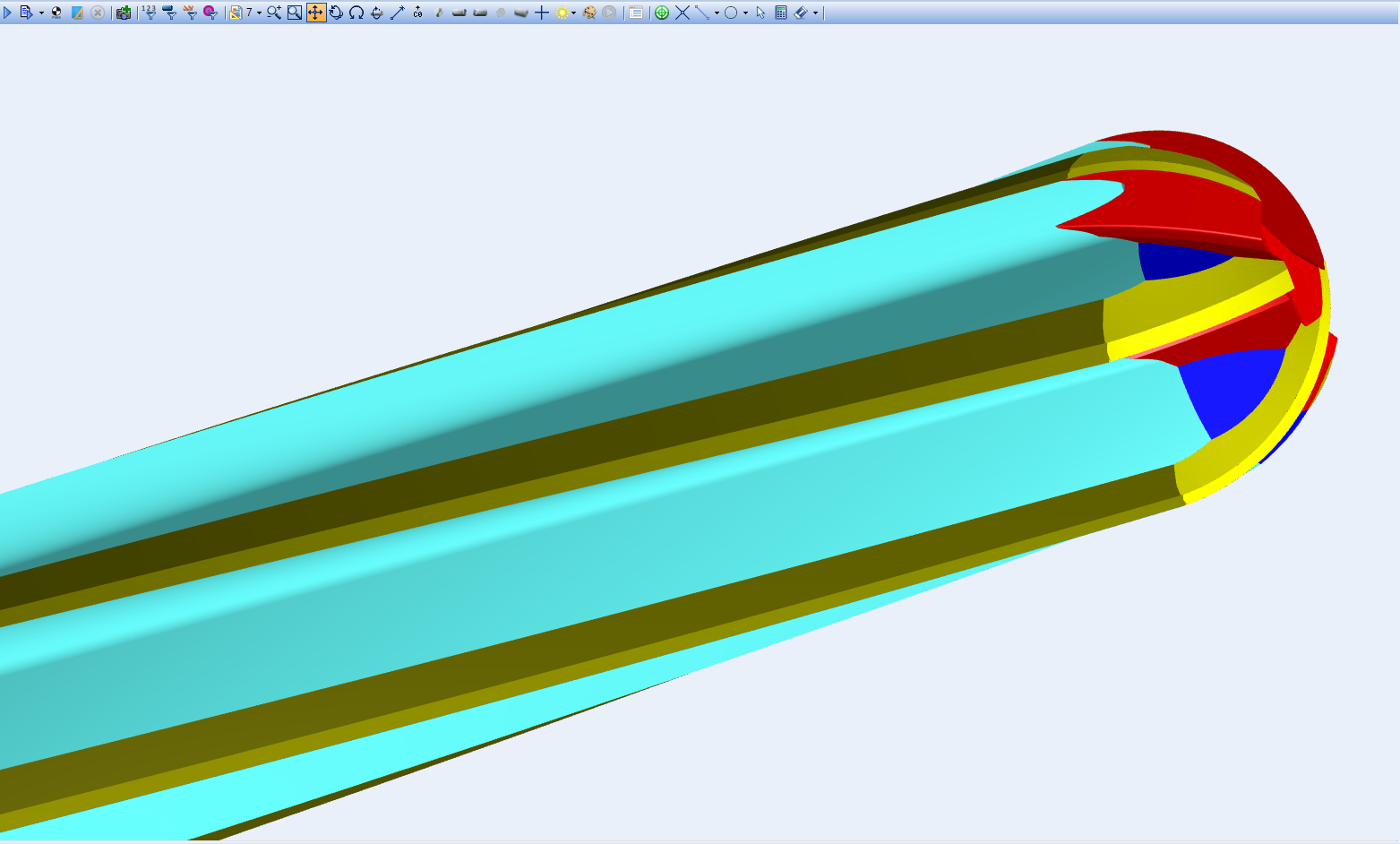
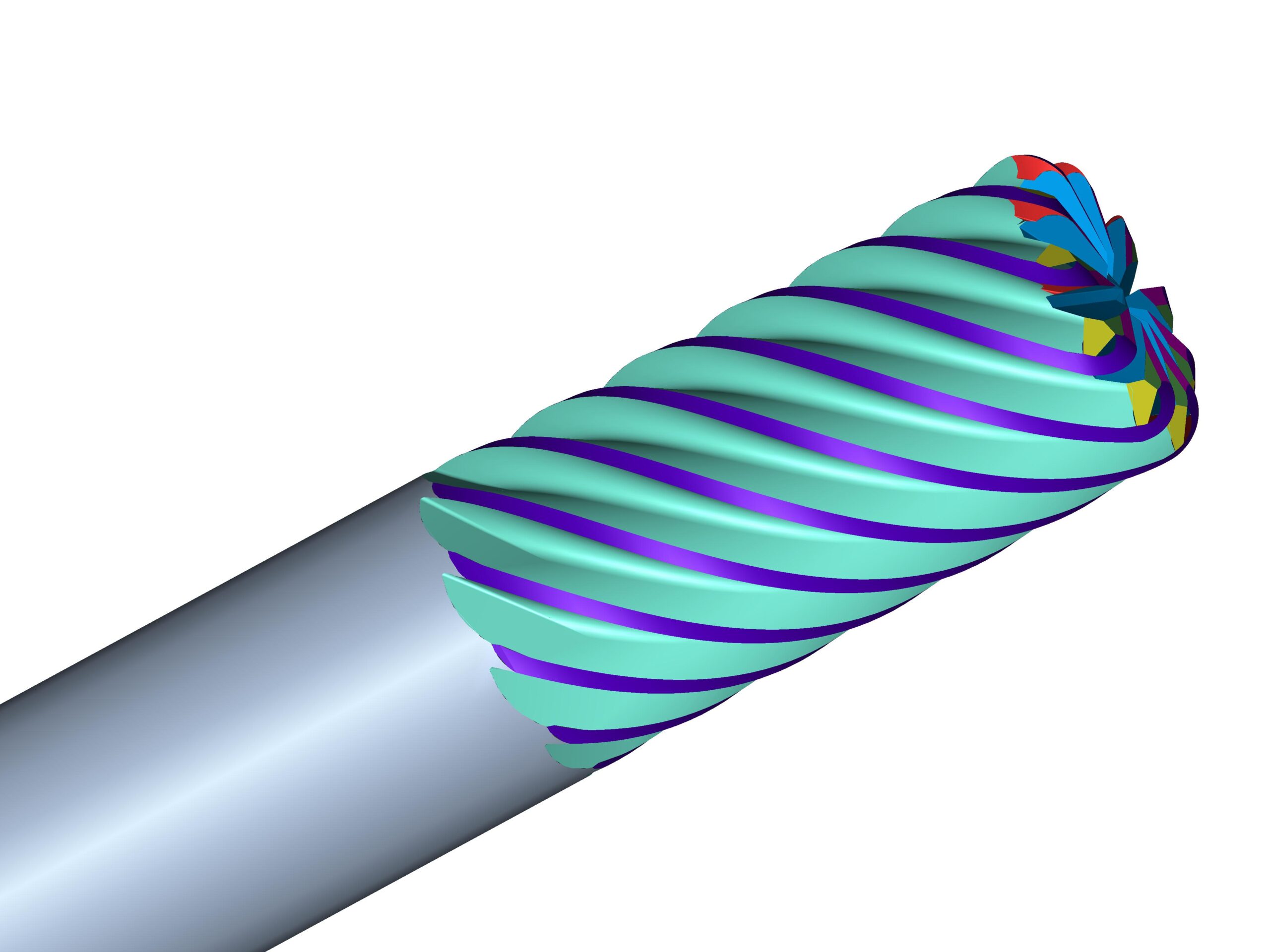
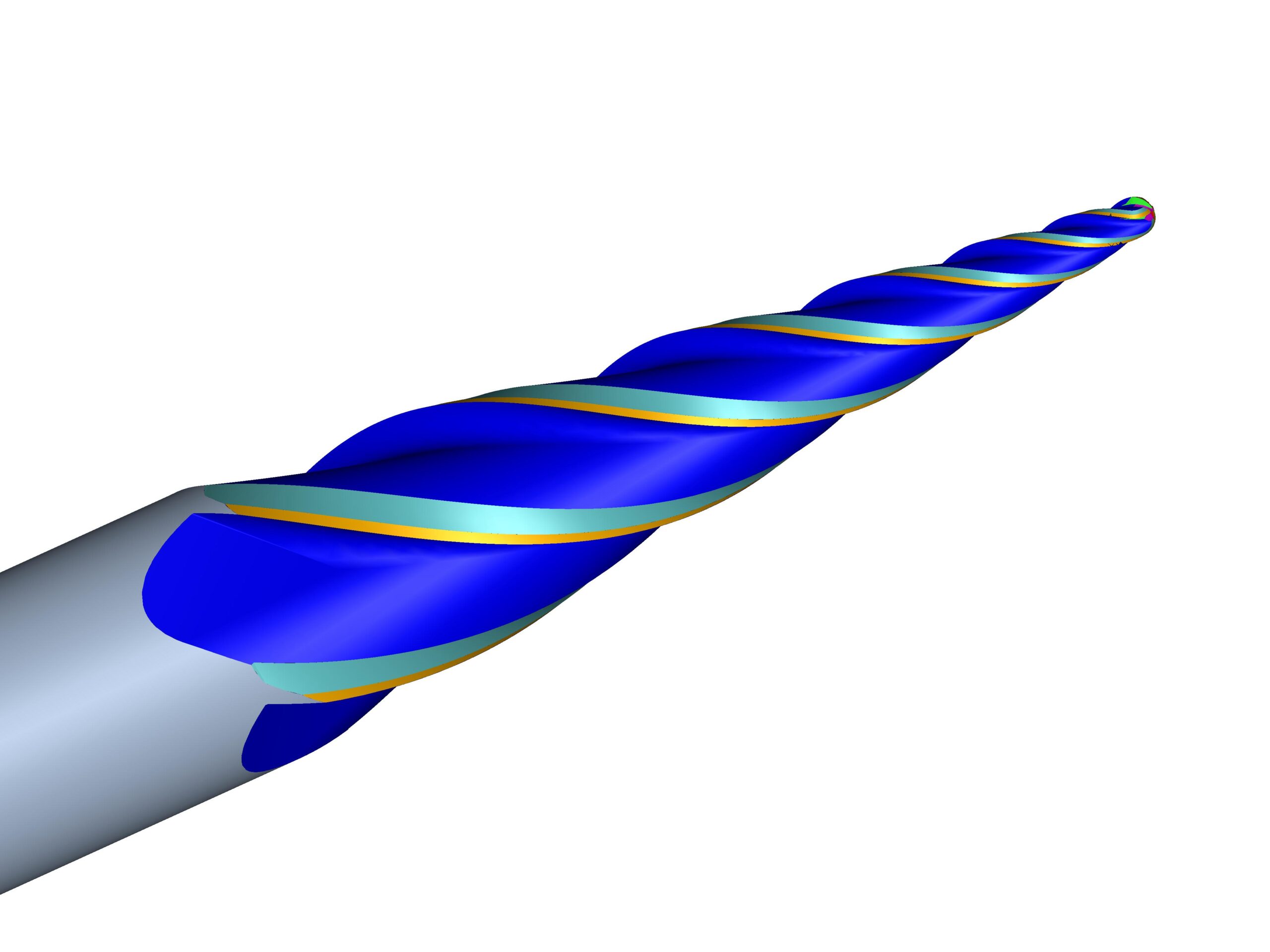
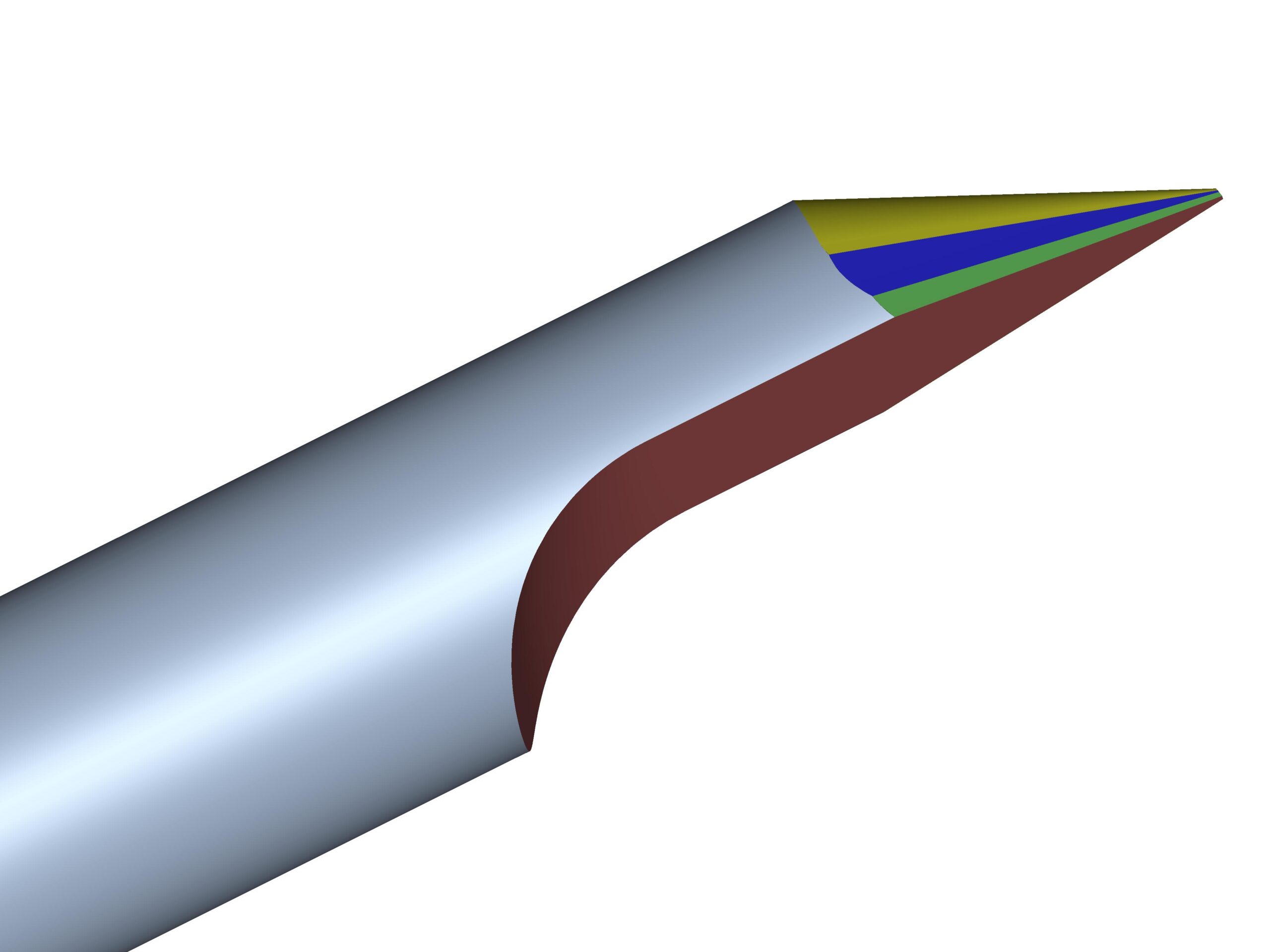
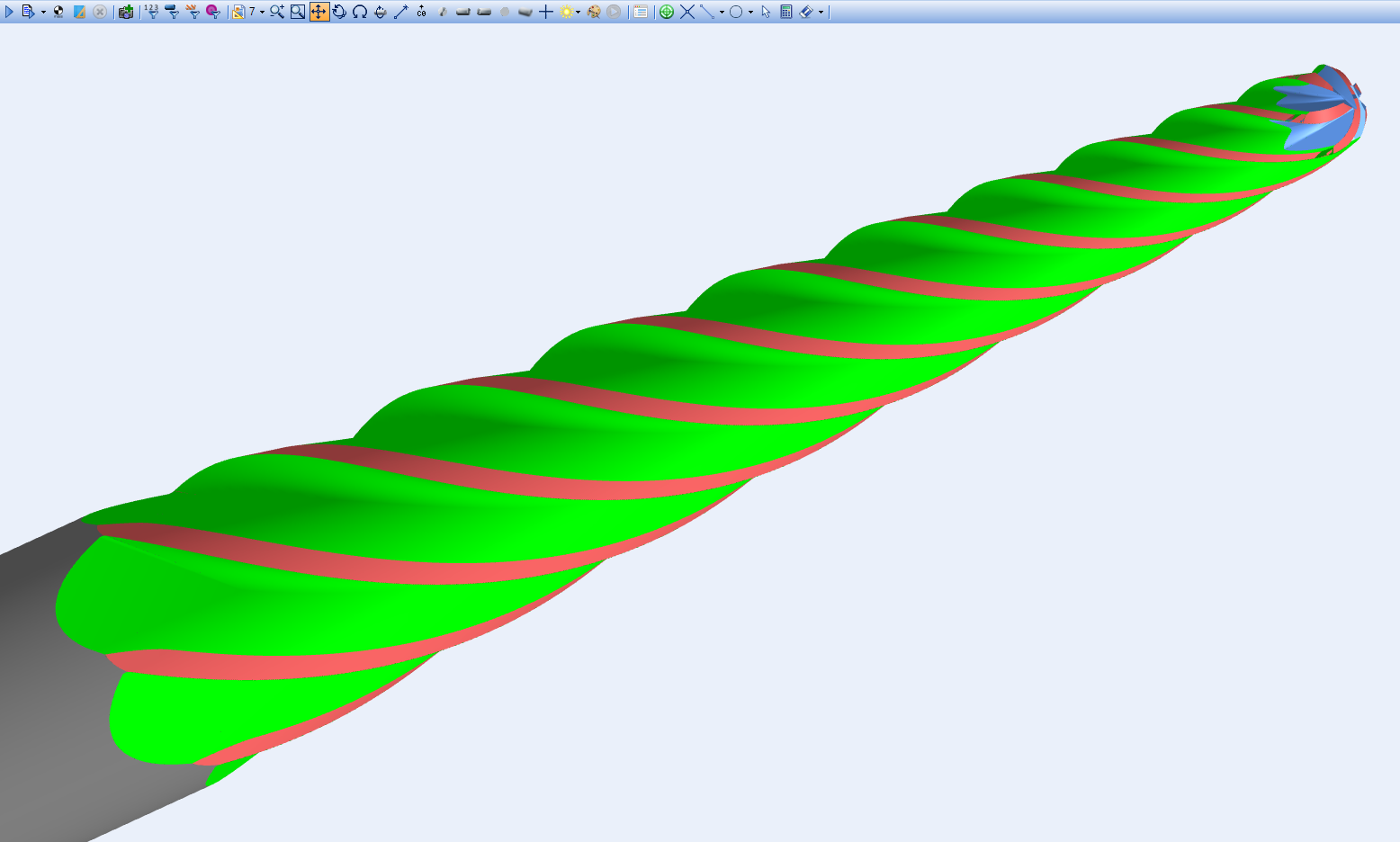
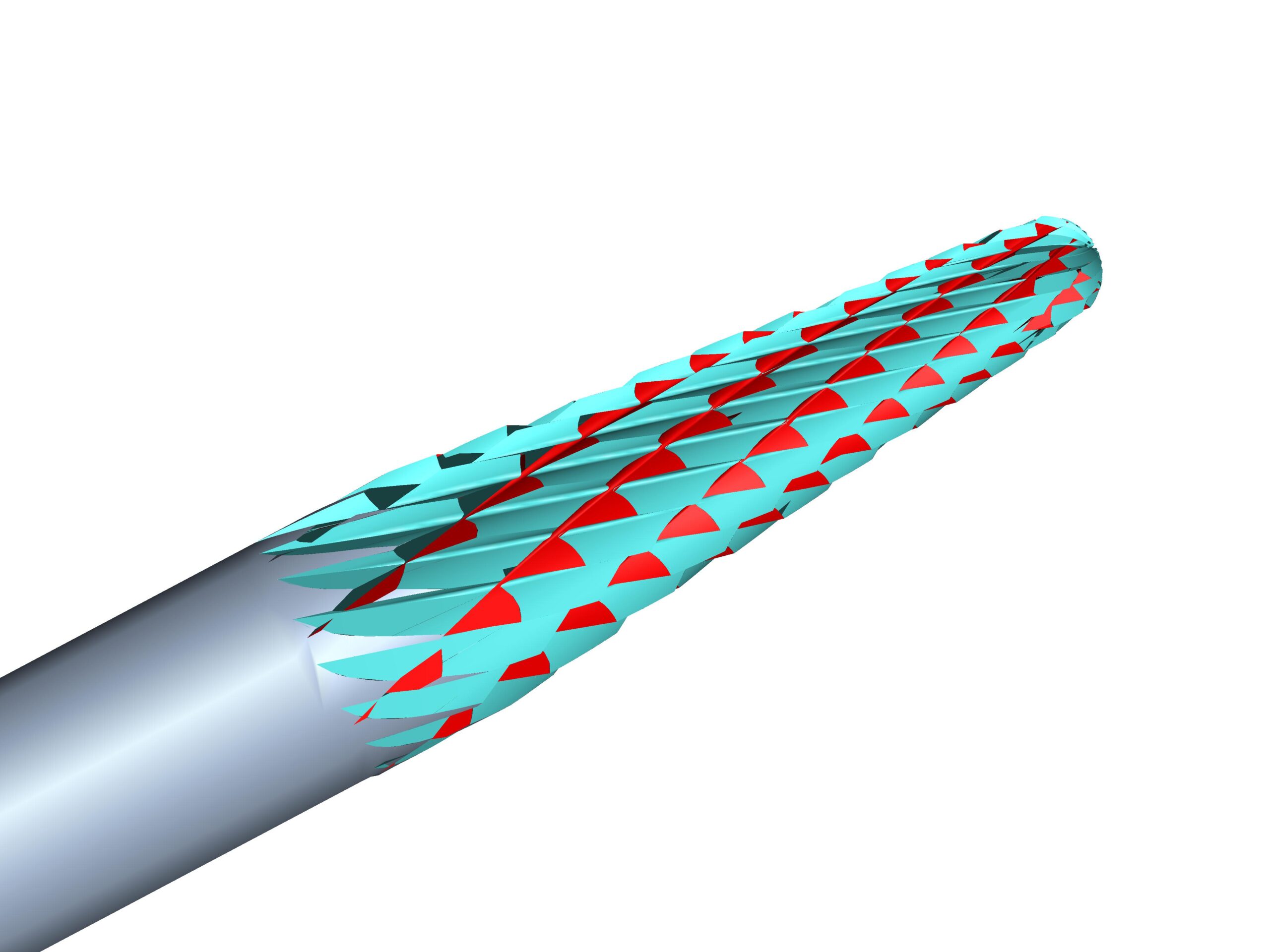
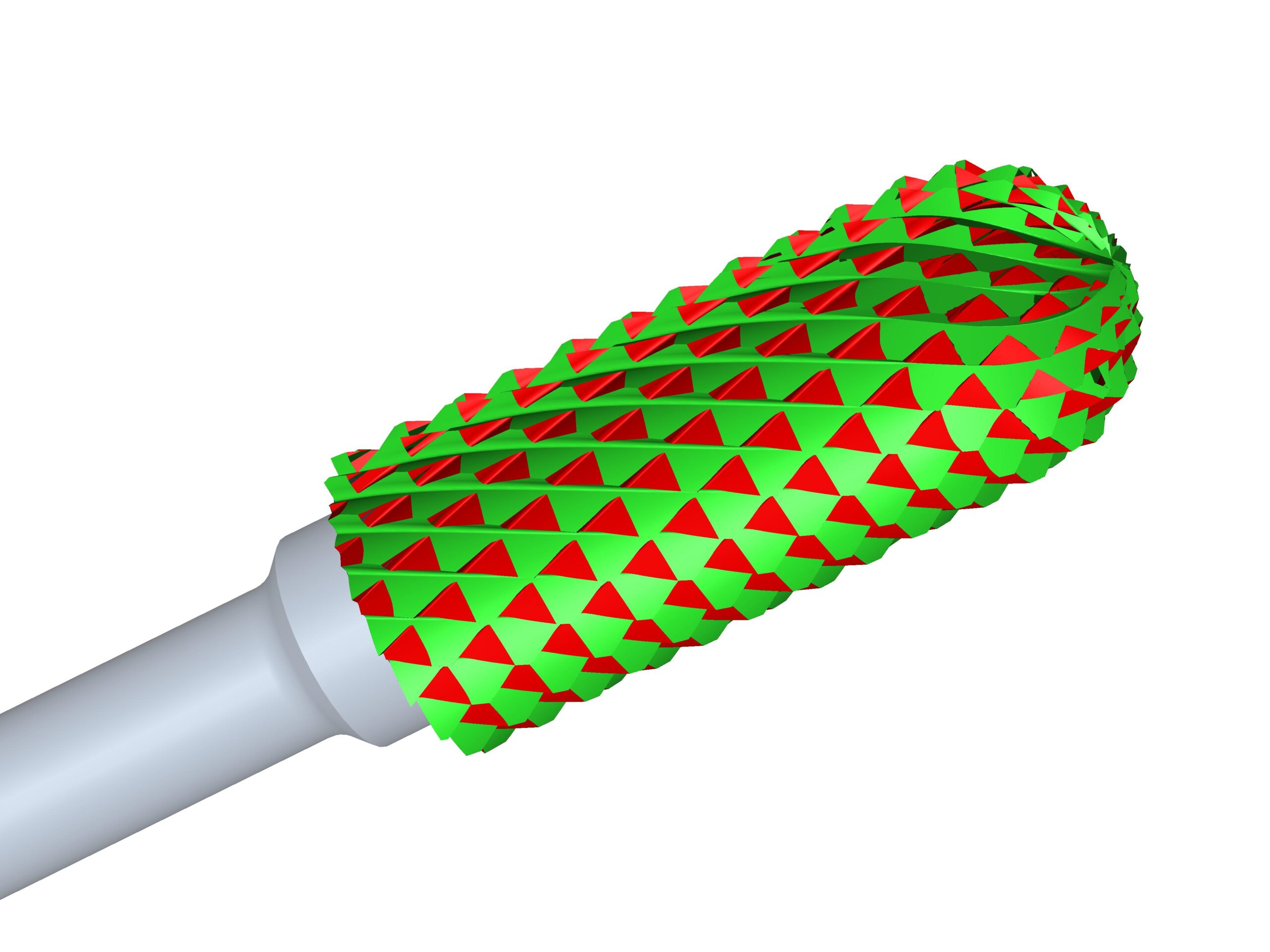
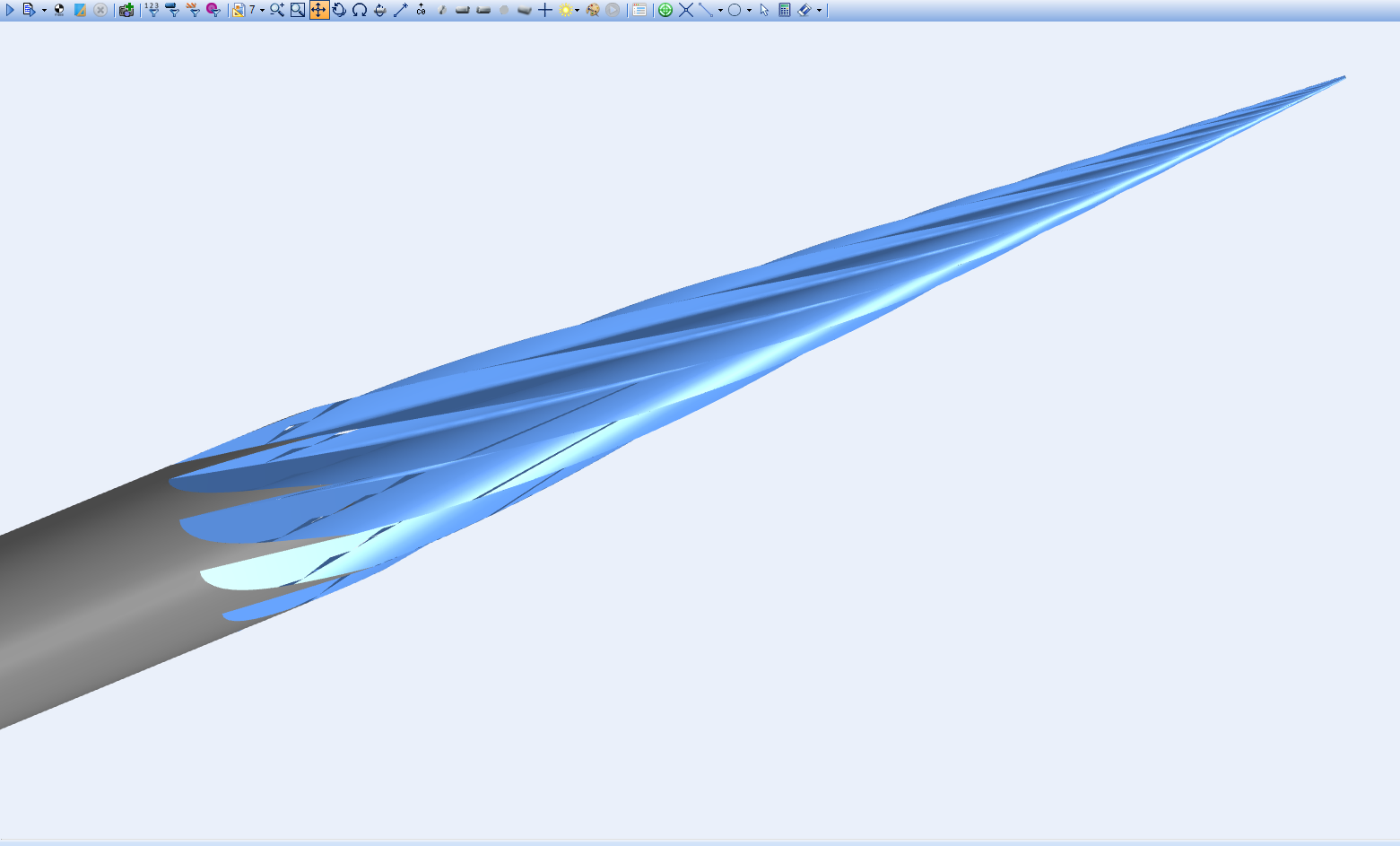
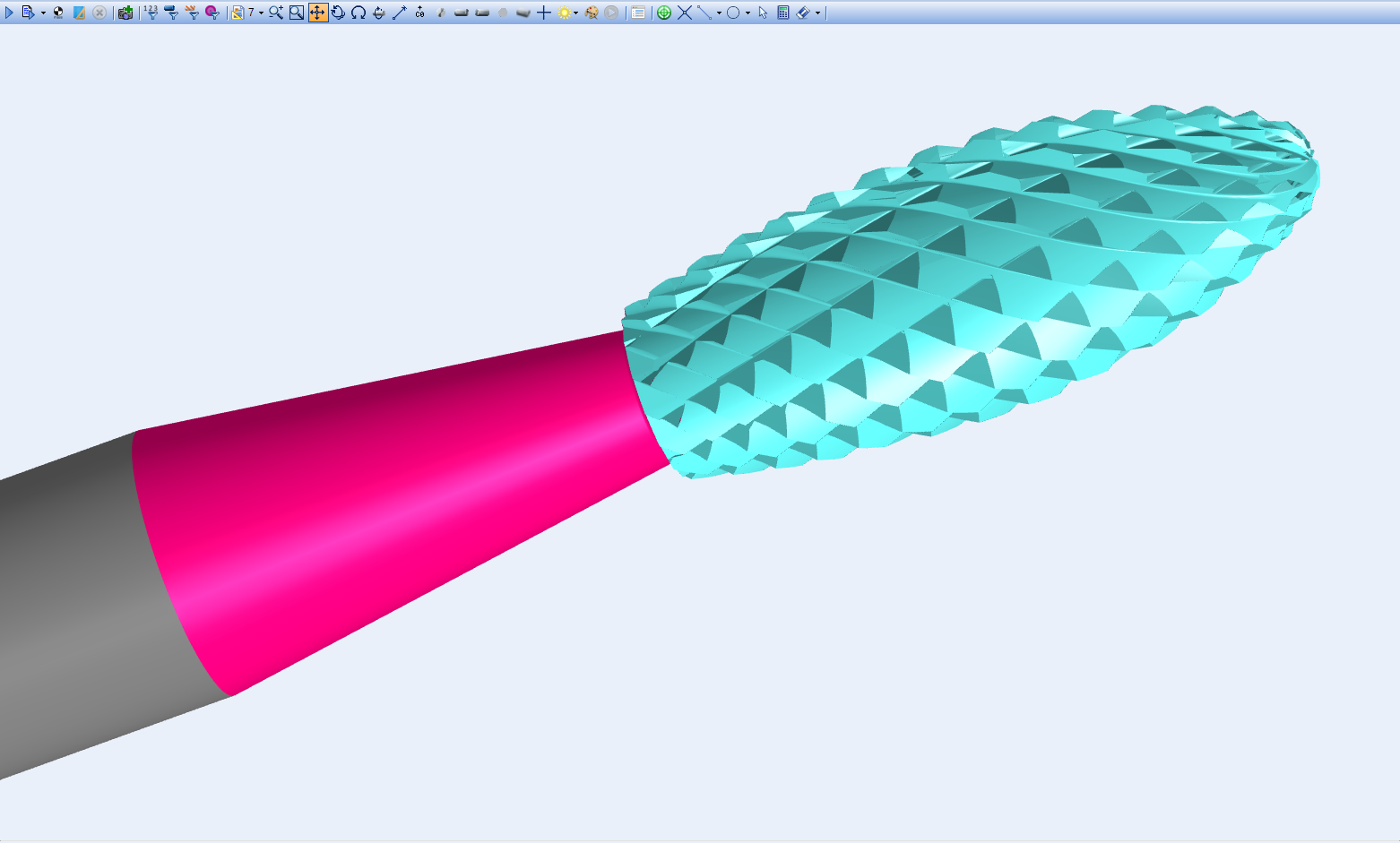
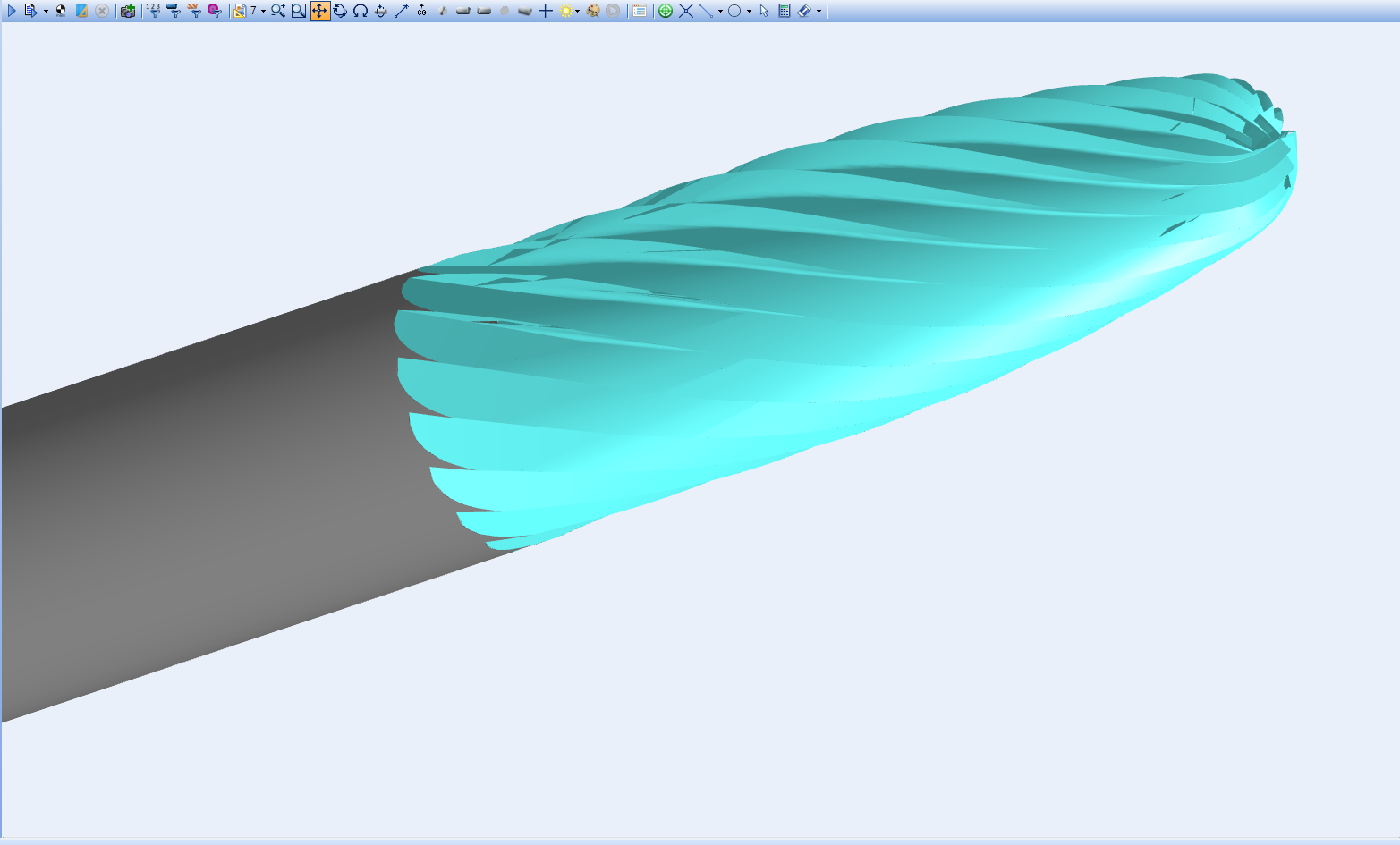
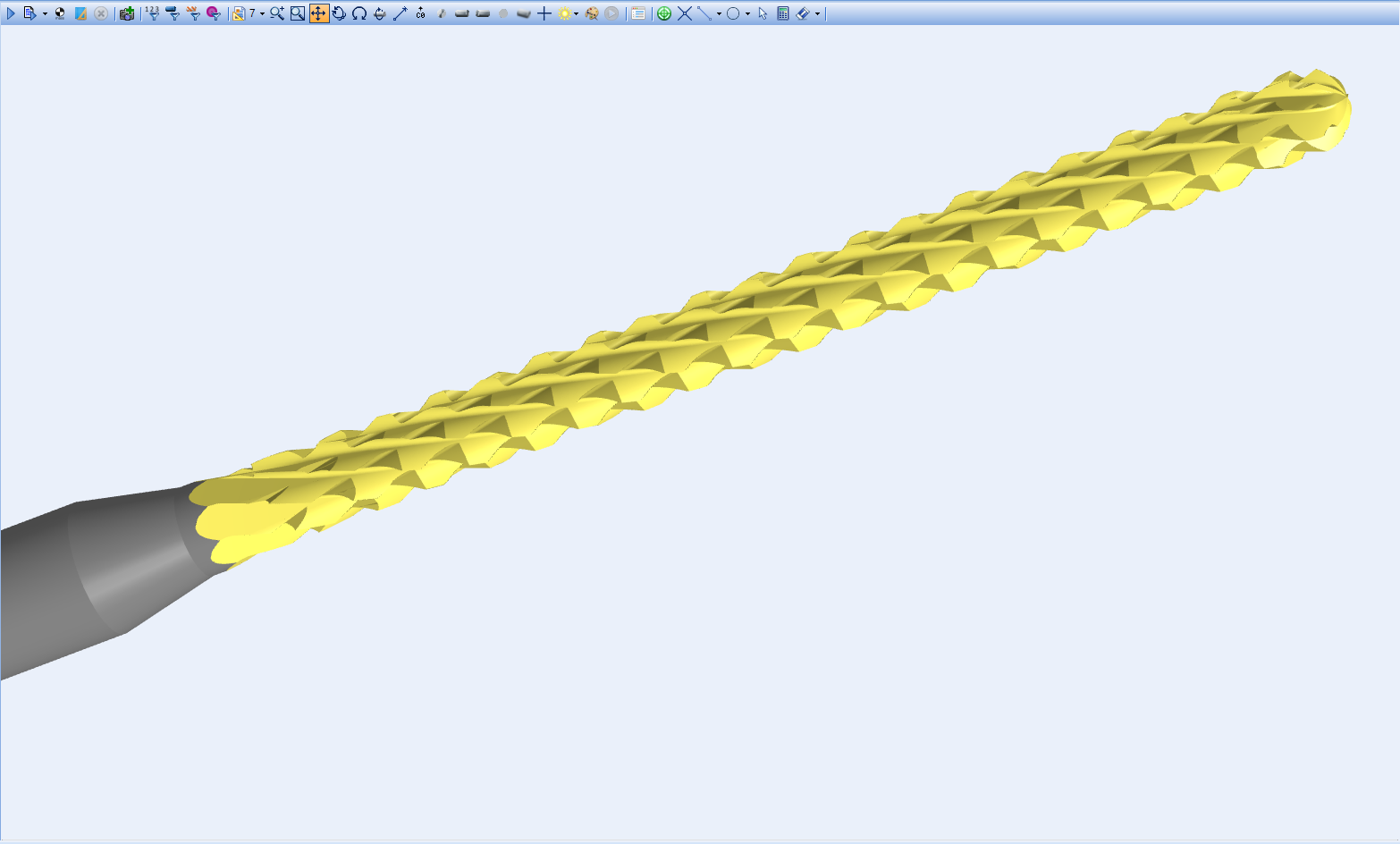
- Corner radius, ball nose, conical End Mills from two up to twelve flutes for milling of complex surfaces in roughing end finishing machining
Custom Tools
Customization
for Maximum Efficiency
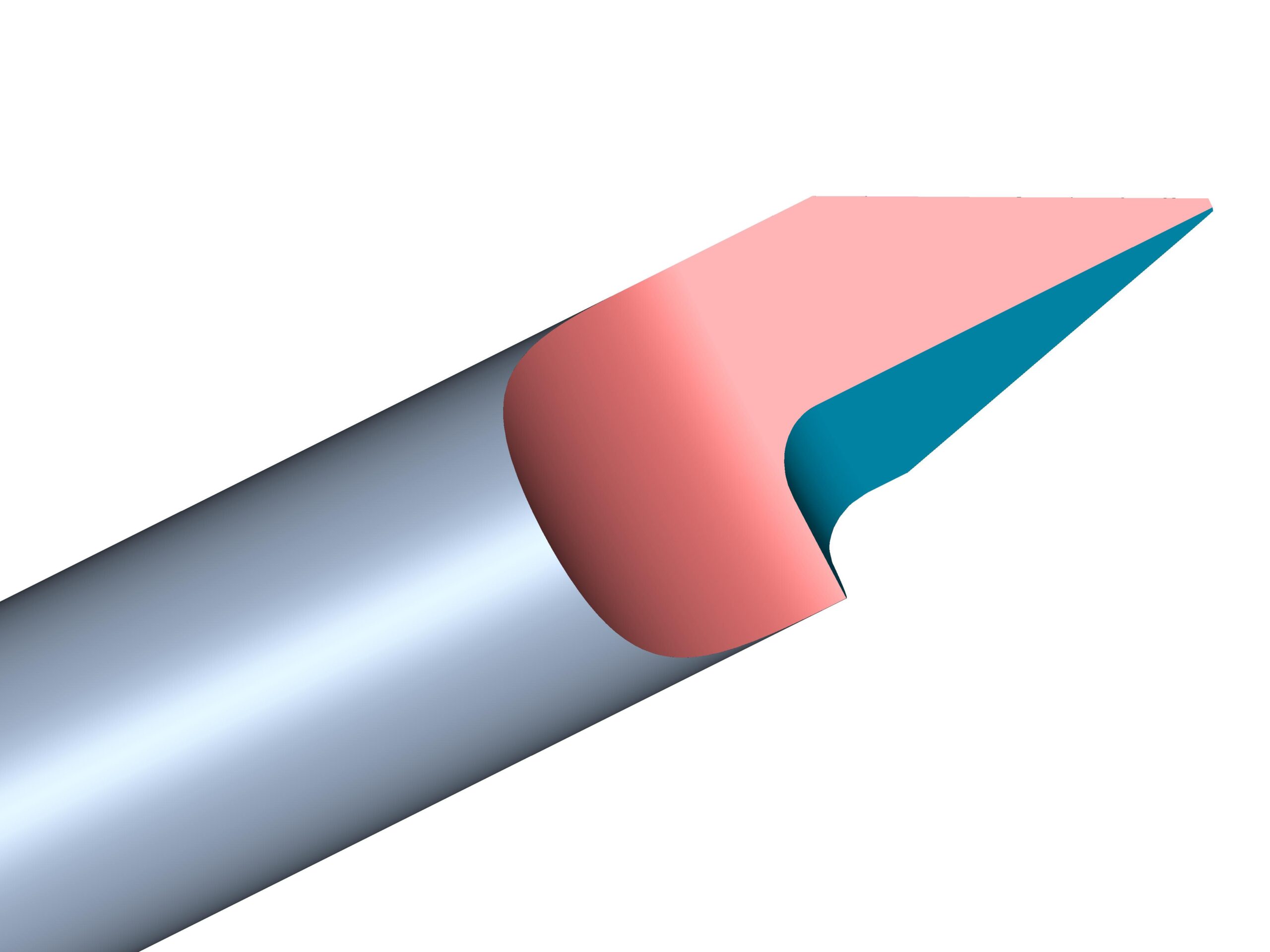
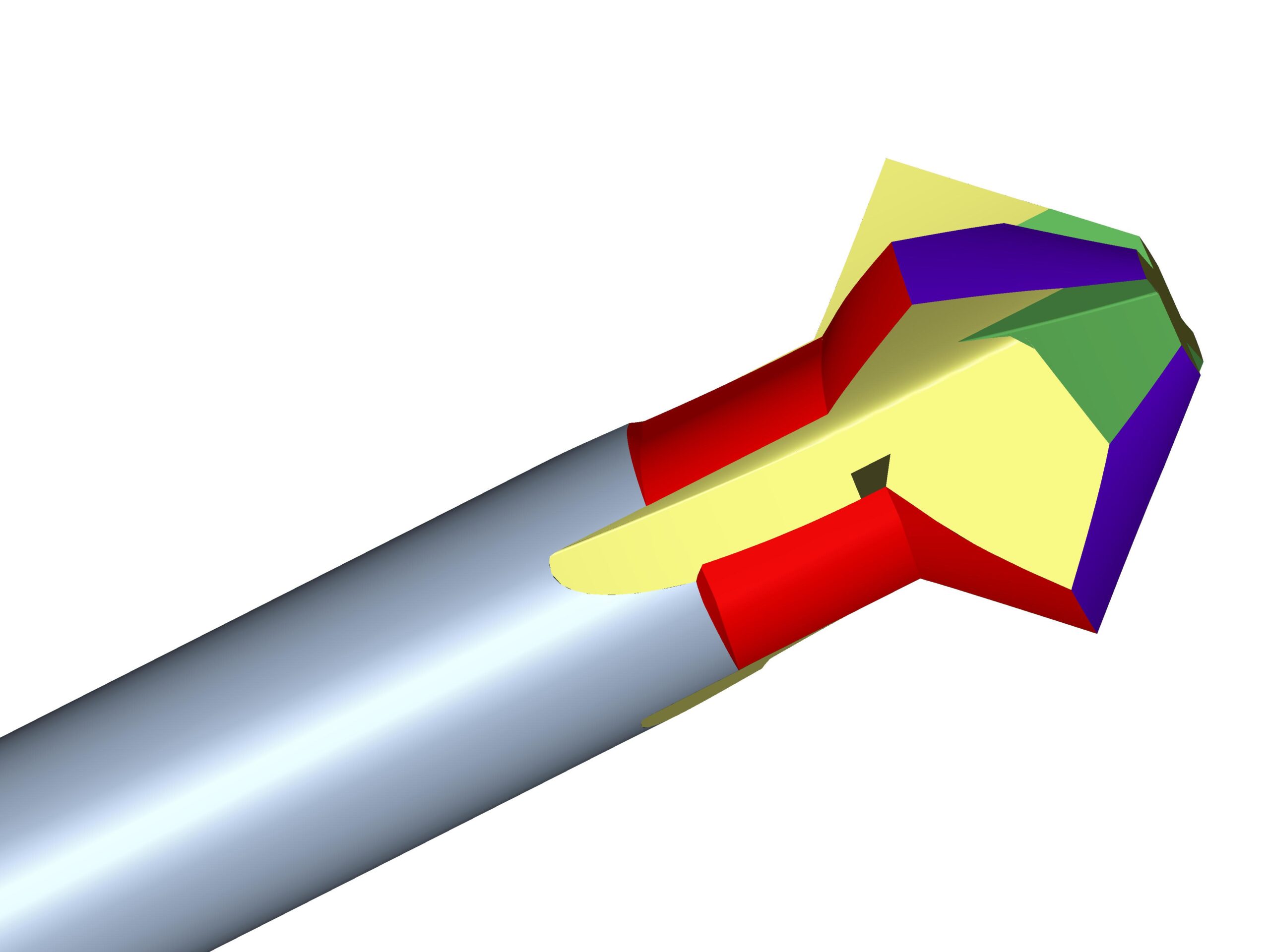
With our experience and expertise in the mold industry, we are ready to assist you in designing and manufacturing customized tools that meet your specific needs, contributing to the success and safety of your manufacturing processes of molds.

FAQ
Mold and die manufacturing uses cutting tools for roughing, semi-finishing, finishing, copy milling, milling complex surfaces, drilling and reaming.
Tool selection depends on the mold material, its hardness, the geometry to be produced, cavity depth, required tolerance and final surface quality.
Nuova Cumet offers flat, corner-radius, ball nose, radiused and tapered milling cutters, roughing cutters, drills, reamers, micro end mills and custom cutting tools for machining molds and dies.
Milling hardened steels requires cutting tools capable of maintaining precision and cutting edge stability even under conditions of high hardness and wear.
Steel hardness, tool geometry, number of cutting edges, coating, cutting speed, feed rate and rigidity of the machine–tool system must be assessed.
Nuova Cumet offers specific milling cutters for high-speed machining and hard steels, as well as geometries intended for mold roughing and finishing.
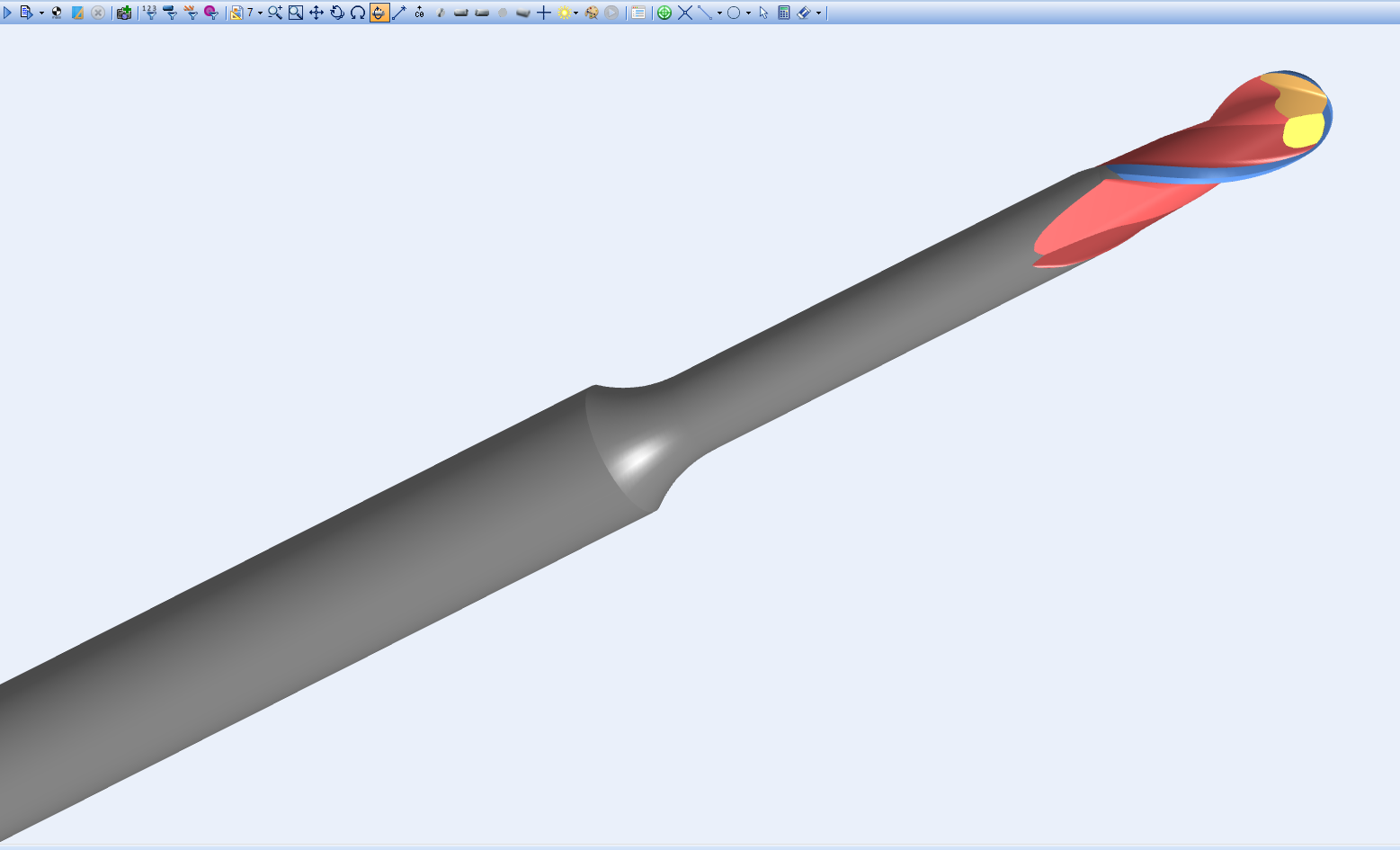
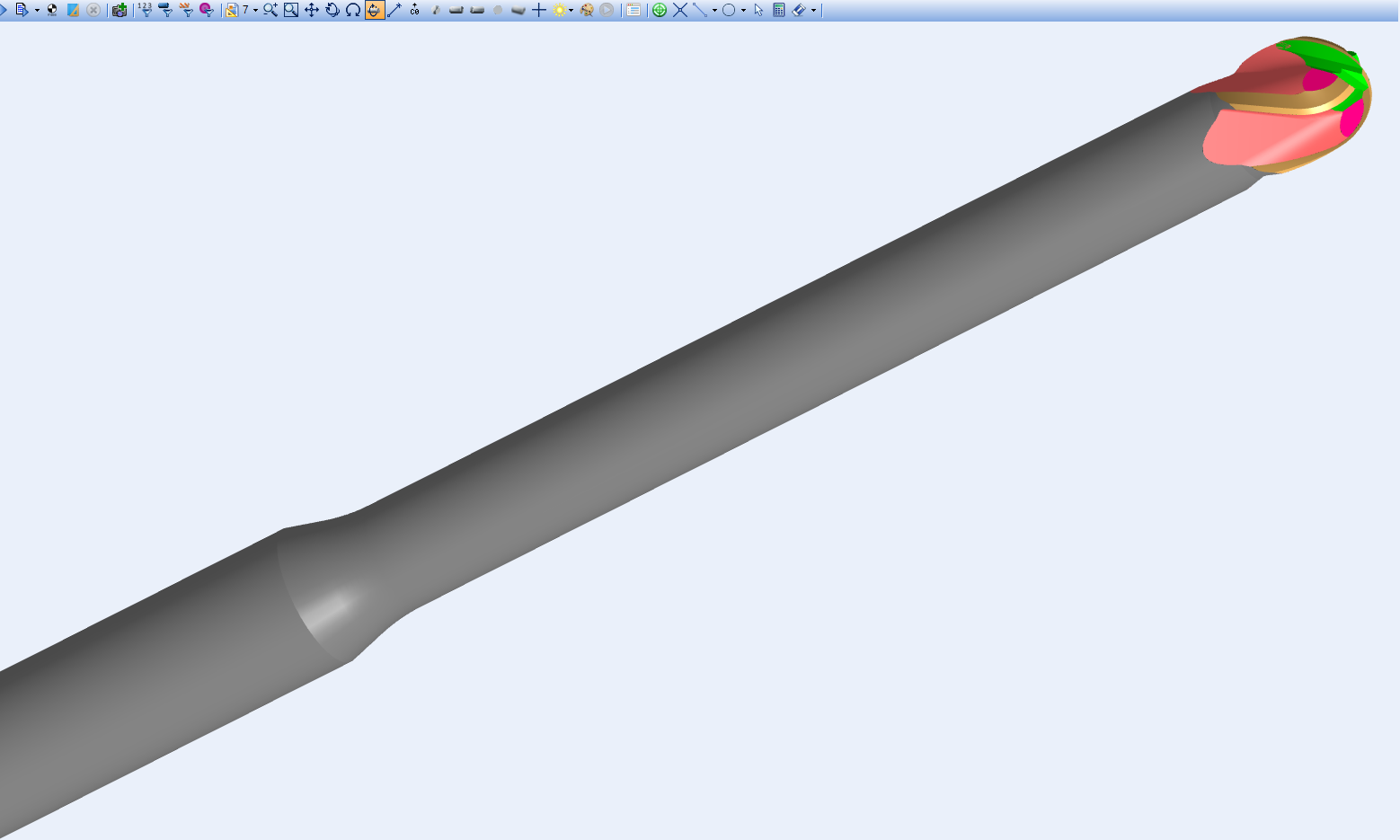
Ball nose, corner-radius, radiused and tapered milling cutters, together with copy milling cutters, are mainly used for three-dimensional surfaces, blends, radii and complex geometries.
The choice depends on surface curvature, accessibility of the area to be machined, stock allowance to be removed and required finish.
For the mold industry, Nuova Cumet offers partial-radius, ball nose and tapered milling cutters with configurations ranging from two to twelve cutting edges, suitable for different roughing and finishing stages.
Roughing aims to remove large amounts of material quickly and bring the workpiece close to its final geometry. Finishing, on the other hand, achieves the required dimensions, geometry and surface quality.
These two operations therefore normally use different strategies and geometries.
Roughing cutters prioritise material removal capacity and stability, while finishing places greater emphasis on precision, cutting edge behaviour and the quality of the surface produced.
Surface quality depends on tool geometry and condition, system rigidity, runout, cutting parameters, CAM strategy and workpiece material.
On complex surfaces, it is particularly important to use cutting tools suited to the finishing stage and maintain stable cutting conditions.
Better quality achieved directly during milling can help reduce subsequent manual finishing and polishing operations.
Graphite and copper require cutting tools with different characteristics from those used for the steels from which the mold is made.
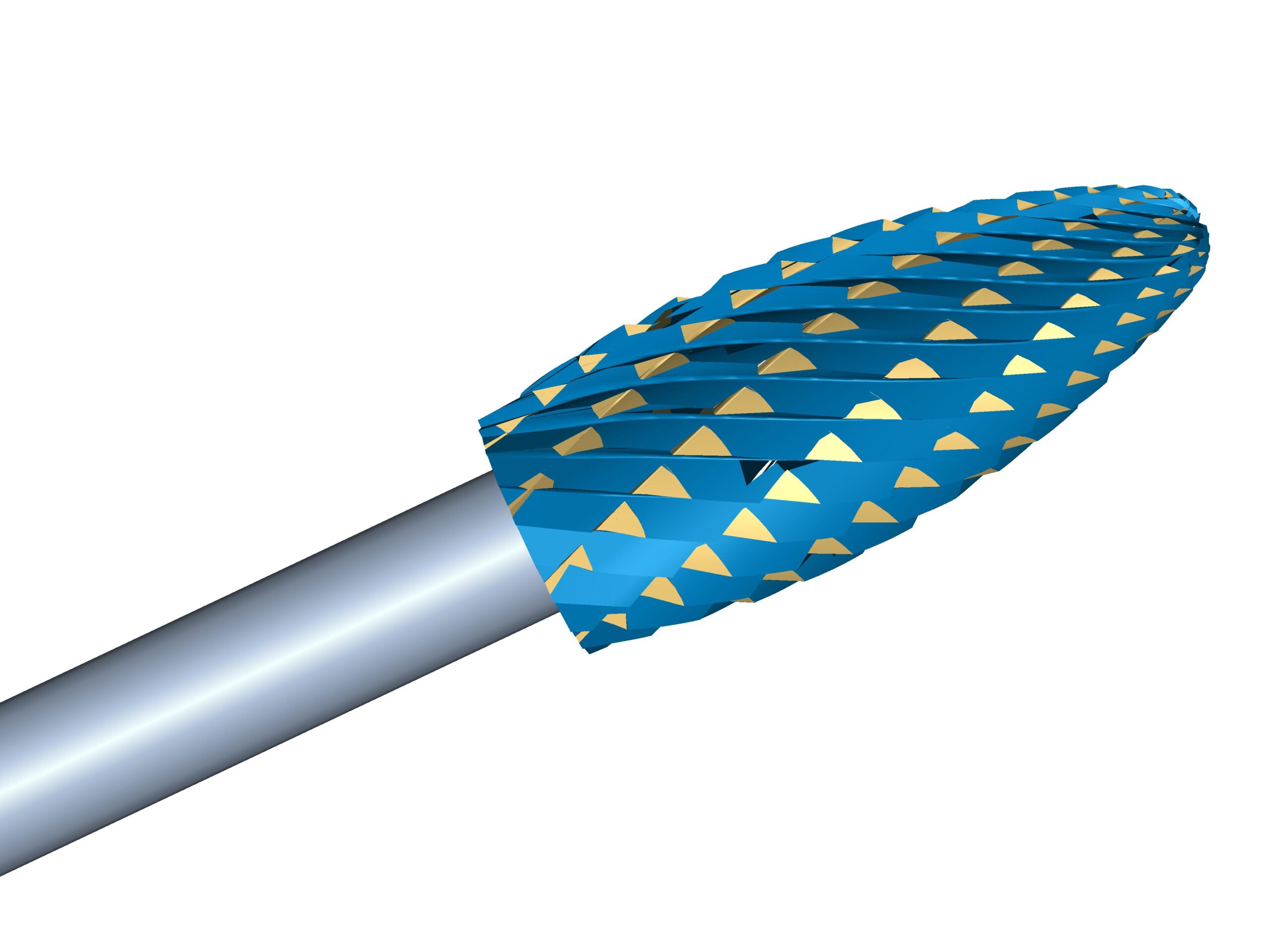
For graphite, abrasion resistance and preservation of cutting edge geometry are particularly important. Milling cutters with CVD diamond coatings can therefore be used.
For copper electrodes, geometries suited to the material characteristics and required accuracy must be used instead.
Nuova Cumet develops specific geometries for copper and graphite electrodes; for graphite, Nuova Cumet also offers milling cutters with CVD diamond coatings.
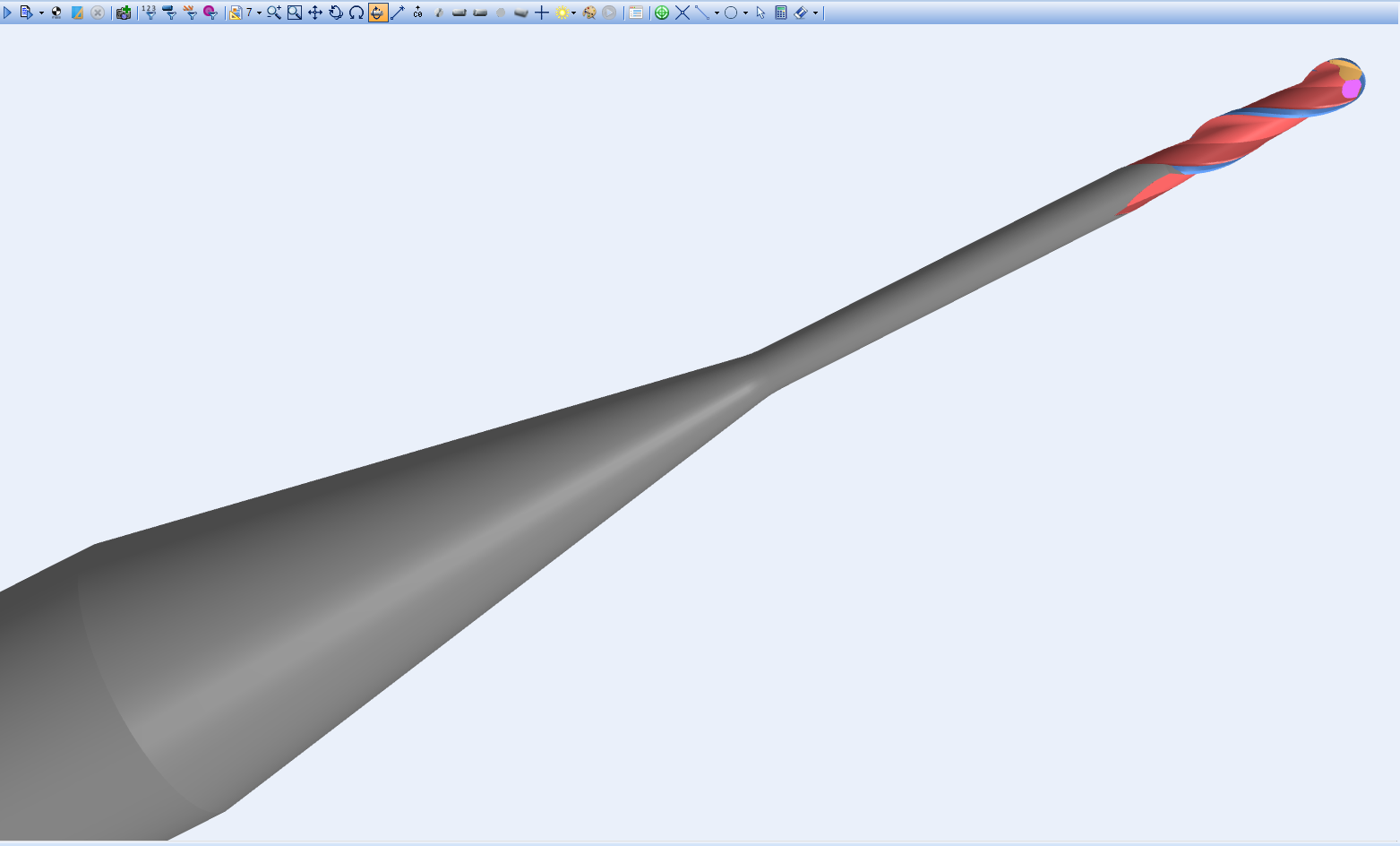
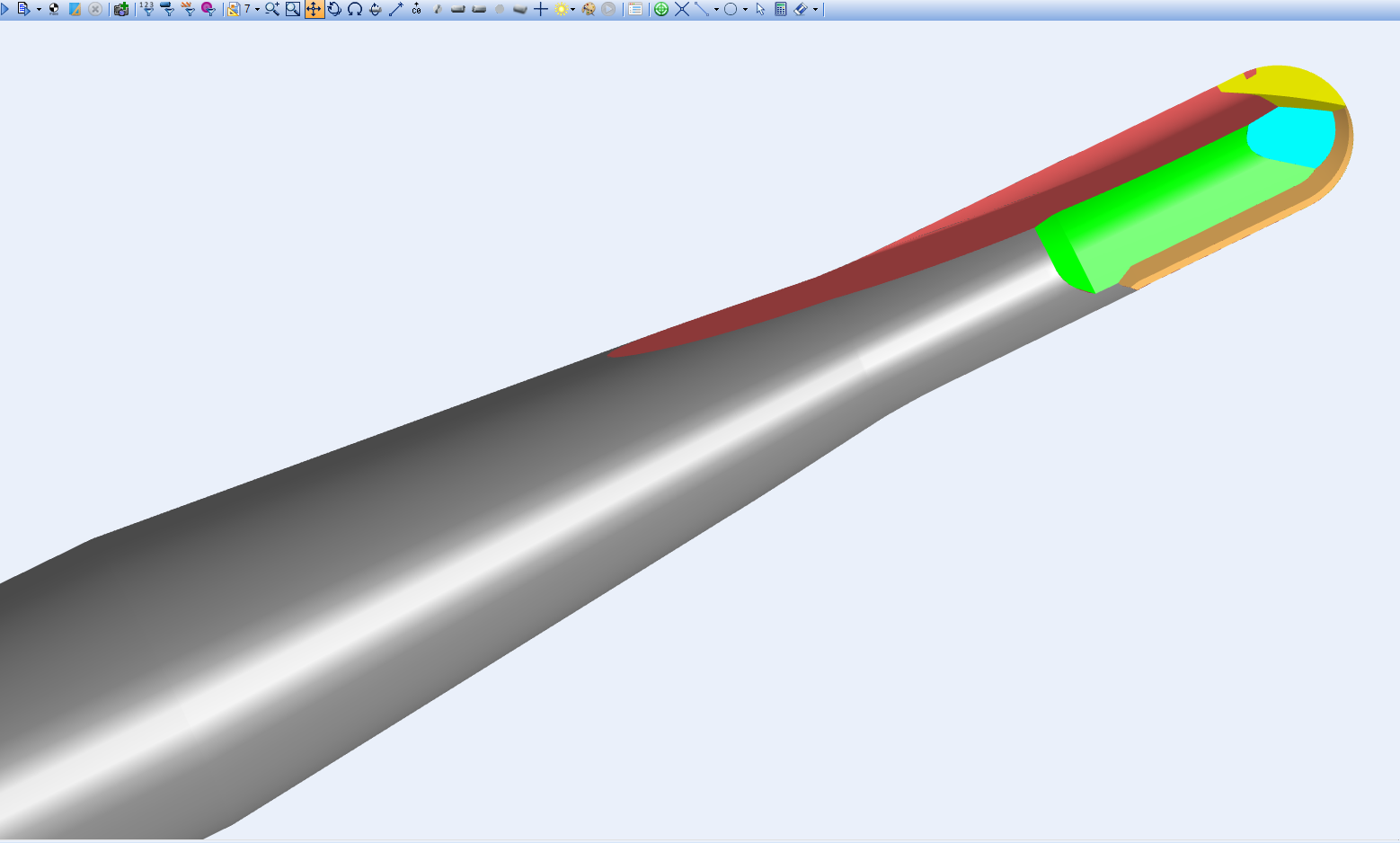
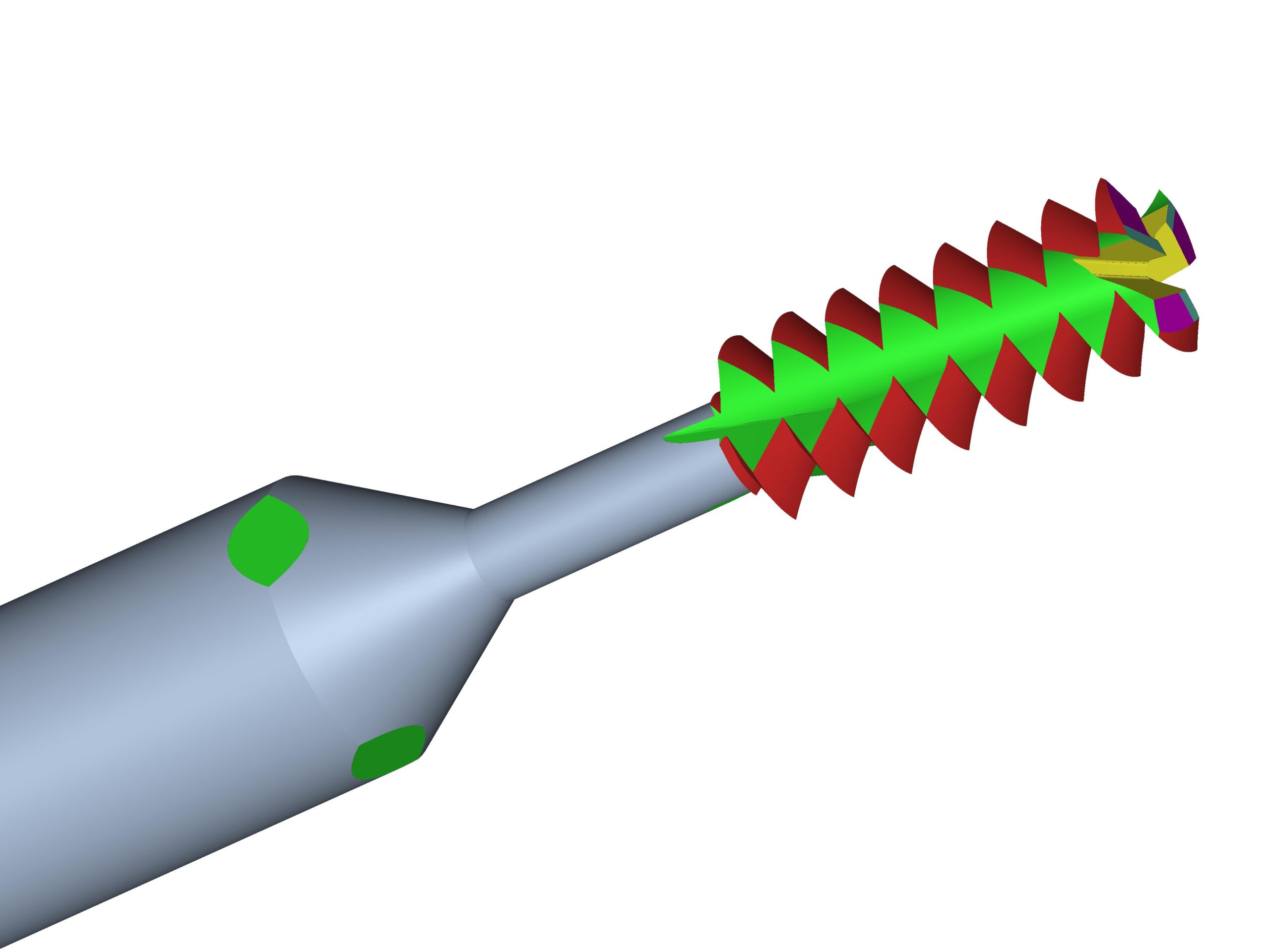
Machining deep cavities requires particular attention to tool rigidity, overhang, neck geometry and the ability to reach difficult-to-access areas without generating excessive vibration.
When required by the mold geometry, reinforced-shank milling cutters or tools with long tapered sections can be used.
Nuova Cumet can manufacture customised cutting tools specifically according to cavity depth and accessibility.
Tool life depends on the interaction between material hardness, carbide, geometry, coating, cutting speed, feed rate and machining system rigidity.
With hard steels, it is particularly important to reduce vibration and irregular cutting edge loads and use parameters consistent with the geometry and material hardness.
A cutting tool designed specifically for the machining operation can help make wear more consistent and maintain precision and surface quality for longer.
Vibration can reduce tool life, limit the amount of material that can be removed and worsen surface quality.
To minimise it, system rigidity, tool overhang, depth of cut, speed, feed rate and cutting edge geometry must be considered.
Nuova Cumet roughing cutters can use unequal cutting edge spacing, variable helix angles and chip-breaking profiles designed to reduce vibration and increase the volume of material removed.
Guide pillar holes require accurate control of diameter, geometry and surface finish.
After drilling, reaming can be used to achieve tighter tolerances and improve hole quality.
For the mold industry, Nuova Cumet can manufacture reamers up to 300 mm long for finishing guide pillar holes. Nuova Cumet reamers also use geometries with unequal cutting edge spacing to control vibration during machining.
High-speed milling can be beneficial in applications where the machine, cutting tool, material and machining strategy allow high speeds while maintaining precision and stability.
It can be used especially for machining hard steels and in stages where productivity and surface quality must be combined.
Nuova Cumet offers a specific family of milling cutters for high-speed machining and hard steels, intended also for the mold industry.
Injection molds, die-casting dies and forging dies may require different machining operations and materials, but share the need for precise, repeatable geometries.
The selection can include roughing cutters, ball nose and corner-radius end mills for complex surfaces, tools for deep cavities, drills, reamers and custom cutting tools.
Nuova Cumet develops customised solid carbide cutting tools also for manufacturing injection molds, die-casting dies and forging dies.
Small details, tight radii, ribs and complex geometries may require micro end mills with high geometrical accuracy.
With very small diameters, rigidity, runout, spindle stability and correct selection of machining parameters become particularly important.
For the mold industry, Nuova Cumet can manufacture flat, corner-radius and ball nose end mills starting at Ø 0.2 mm.
A custom cutting tool is suitable when diameters, lengths, profiles, depths or machining requirements cannot be handled effectively with a standard tool.
In the mold industry, it can be particularly useful for deep cavities, specific radii, complex profiles, small details, electrodes or machining operations requiring particular working lengths.
Nuova Cumet enables customisation of carbide grade, geometry, dimensions and coating characteristics according to the specific application.
To develop a custom cutting tool, it is helpful to understand the component and machining process in detail.
The most important information includes:
- mold or electrode material;
- material hardness;
- 2D drawing or 3D model;
- operation to be performed;
- cavity geometry;
- minimum radii and smallest details;
- machining depth;
- machine and spindle used;
- required tolerances;
- desired surface quality;
- coolant system;
- current cutting parameters;
- tool already in use;
- tool life;
- any vibration, breakage or wear issues.
These data make it possible to define tool geometry, dimensions, carbide and coating based on actual machining conditions.
contact us
Information
and support
For any questions, inquiries, or assistance, please feel free to contact us.
You can send an email directly to info@nuovacumet.it or fill out the contact form.
Your request is important to us, and we are here to assist you in the best possible way.