
Taps and Valves Sector
For more than 40 years, Nuova C.U.M.E.T. has stood for excellence and precision in the field of taps and valves. Our Made in Italy quality and commitment to innovation make us a reliable partner for the most demanding applications in this field.
Benefits of Our Solutions
Precision for Tap and Valve Applications
In the tap and valve industry, where precision and quality are crucial, our tools stand out for their superior performance.
The main features of our products include:
- MillesimalPrecision : Designed to ensure extremely precise machining, our tools are critical for the production of high-precision faucet and valve components.
- High Quality Materials: We use premium materials and advanced technologies to ensure maximum durability and reliability of our tools, guaranteeing consistent and reliable results over time.
- Resistance to Working Conditions: Our tools are designed to withstand extreme working conditions in the faucet and valve industry, ensuring reliable performance even under harsh conditions.
- Application Versatility: From drilling, reaming, and milling operations to machining Brass to metal and composite materials, our tools are designed to address a wide range of applications in the tap and valve industry, offering versatility and precision at every stage of the manufacturing process.
Tools Mainly used:
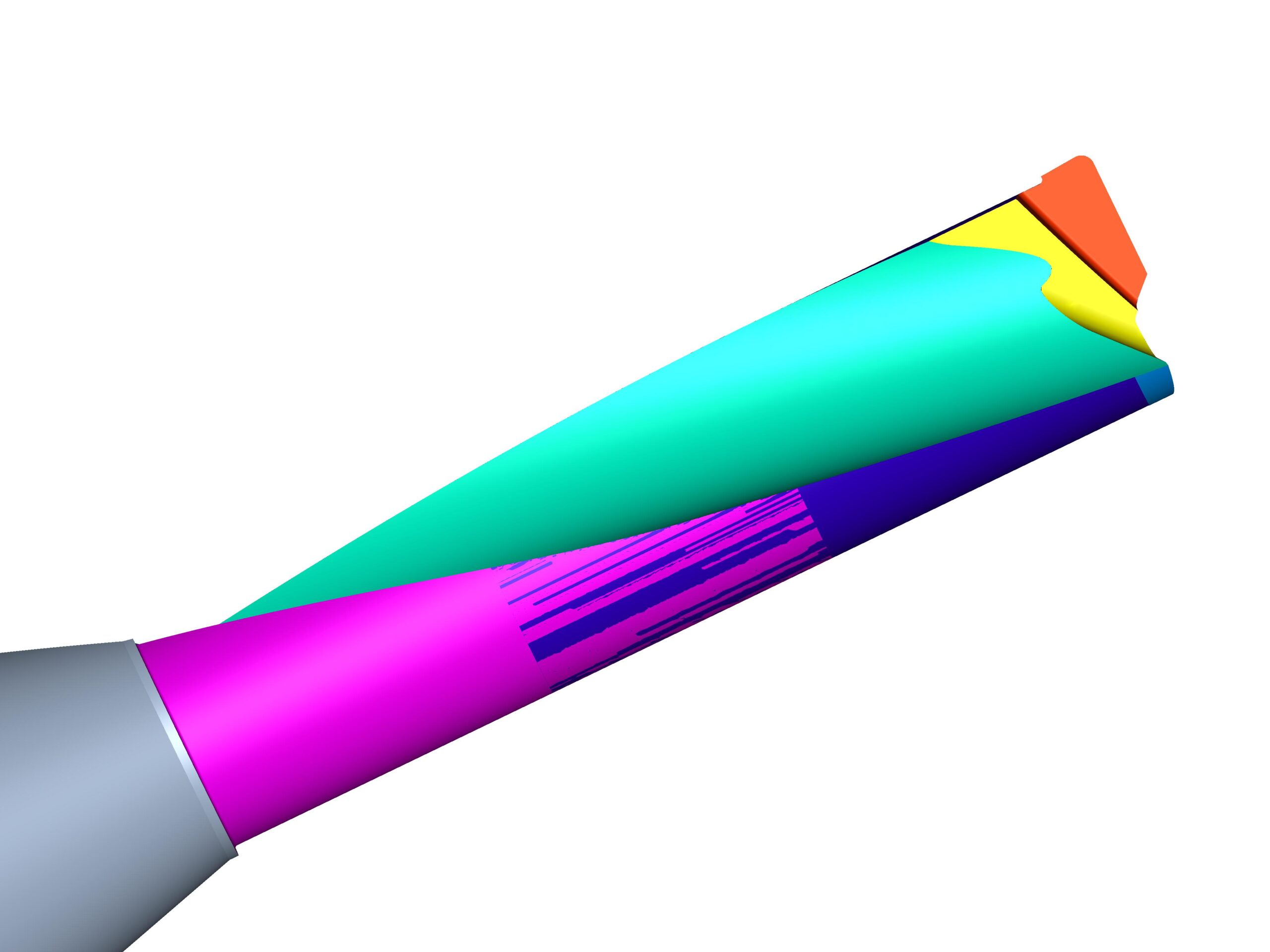
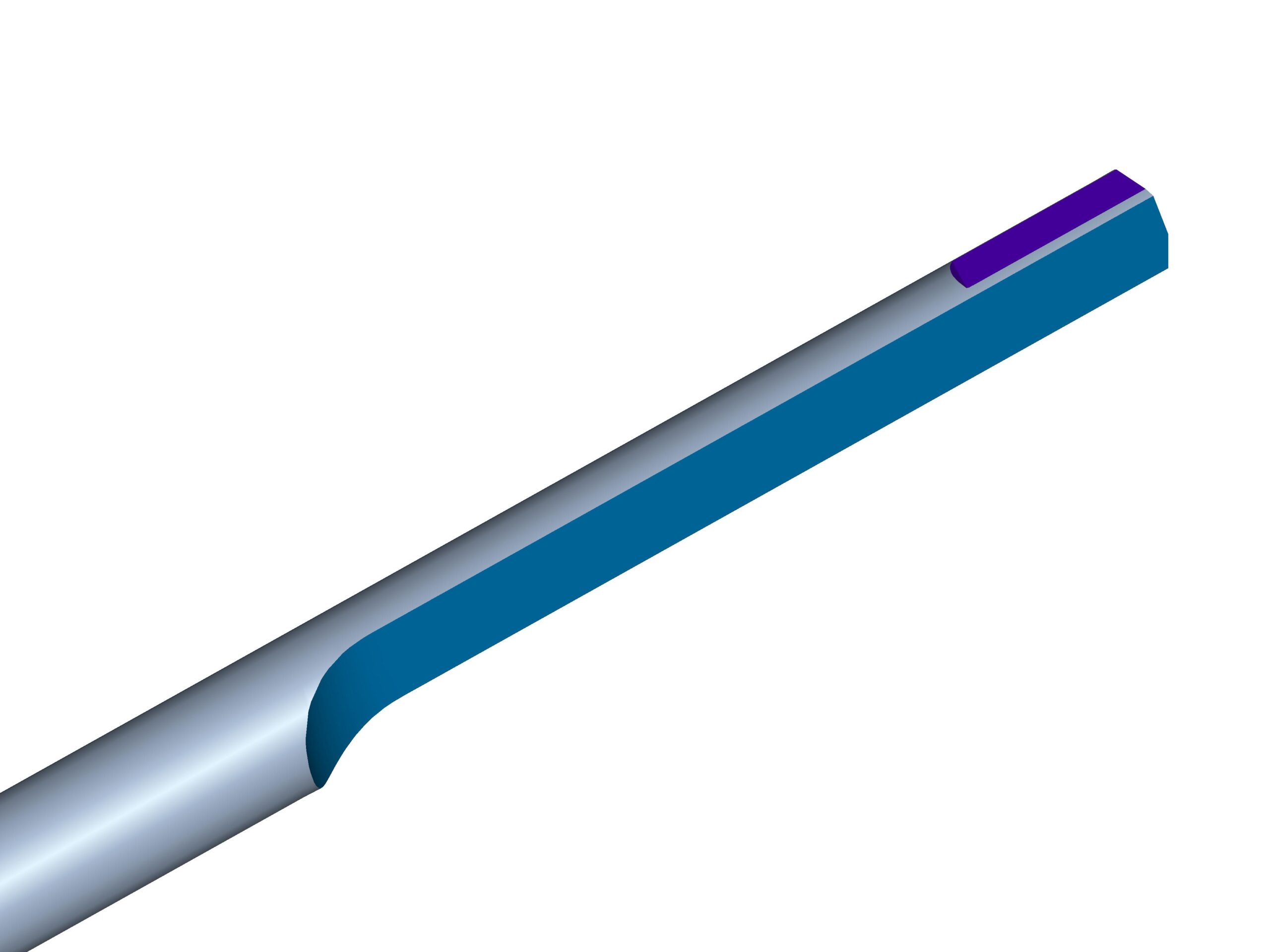
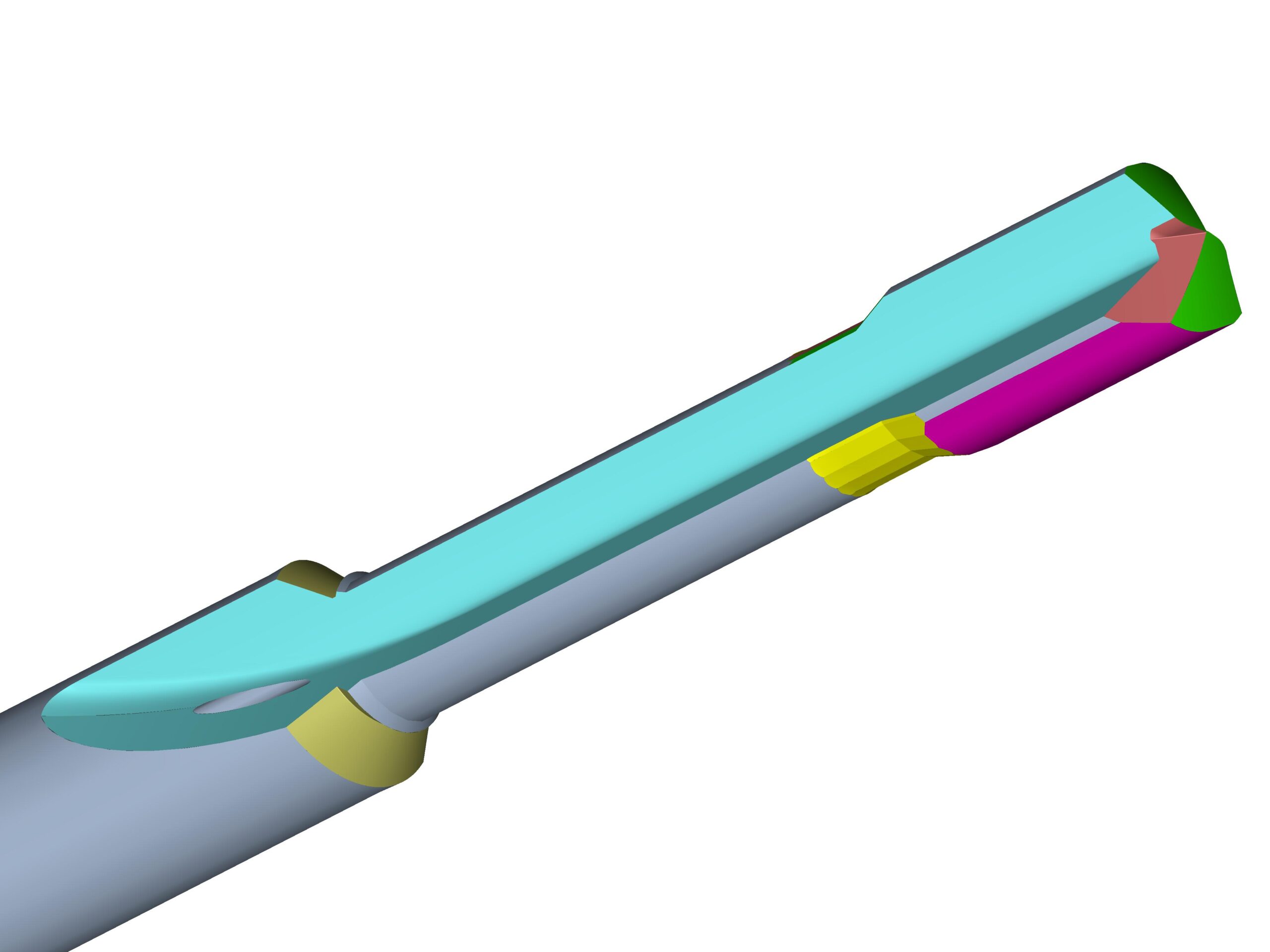
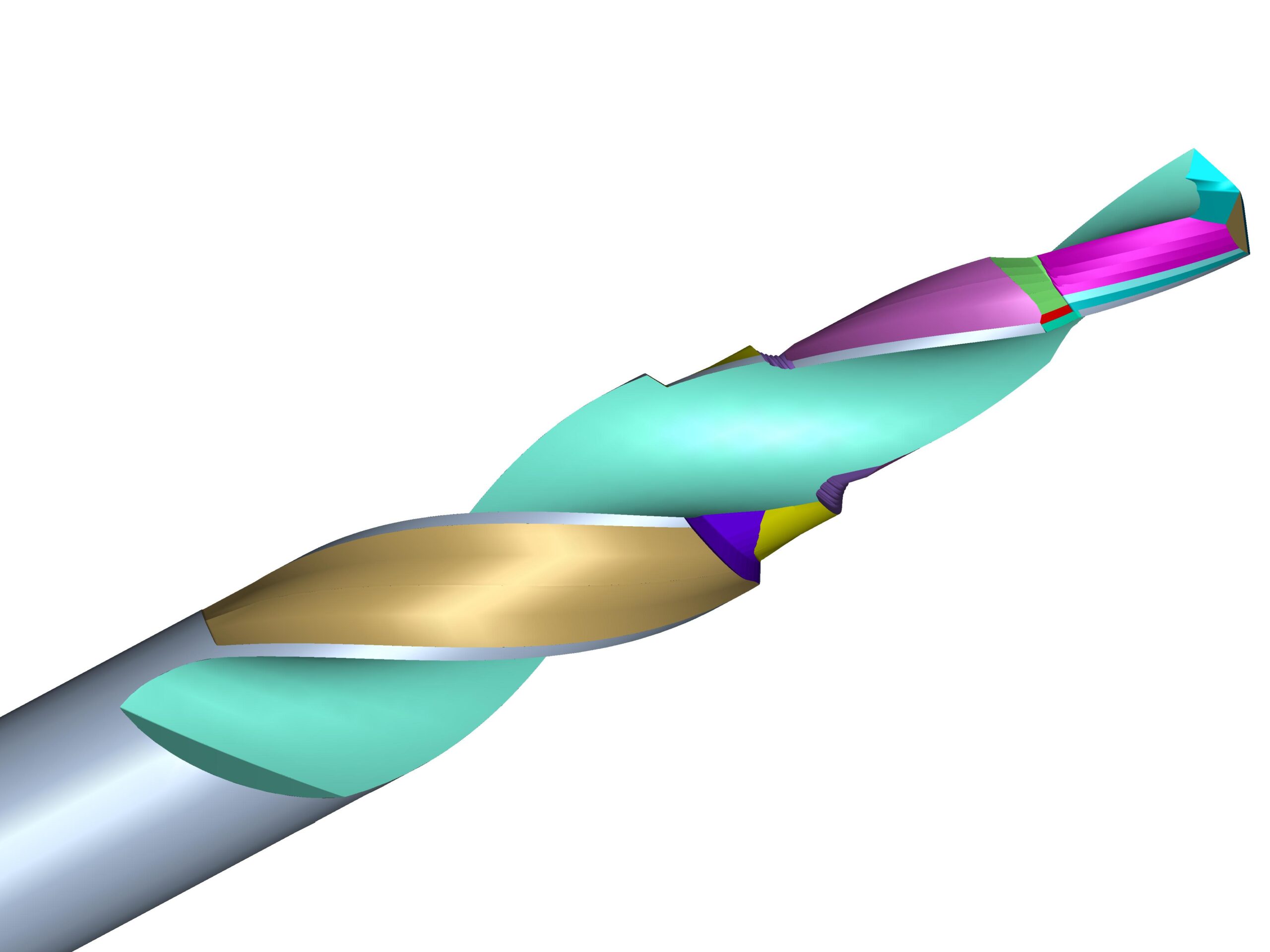
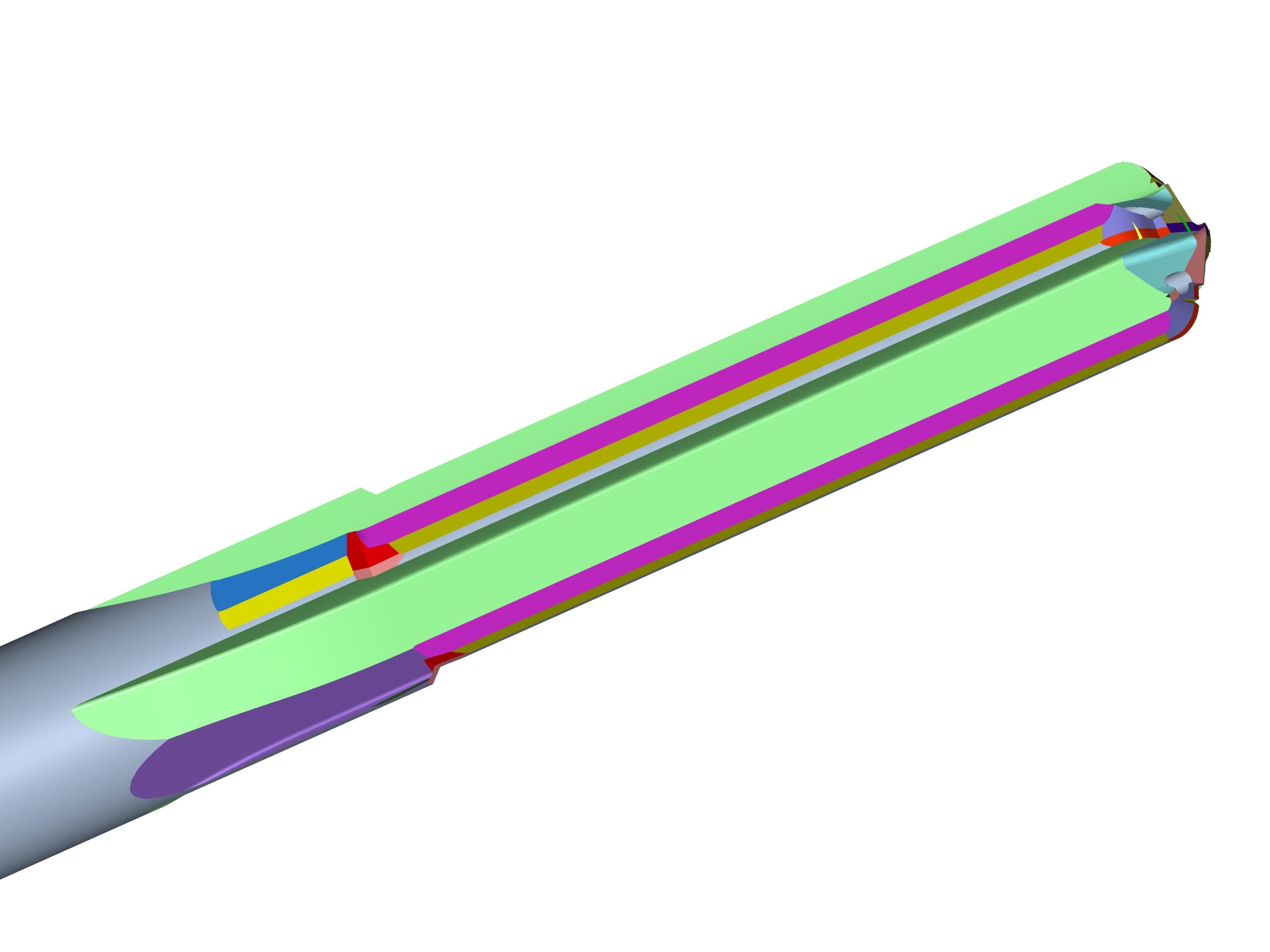
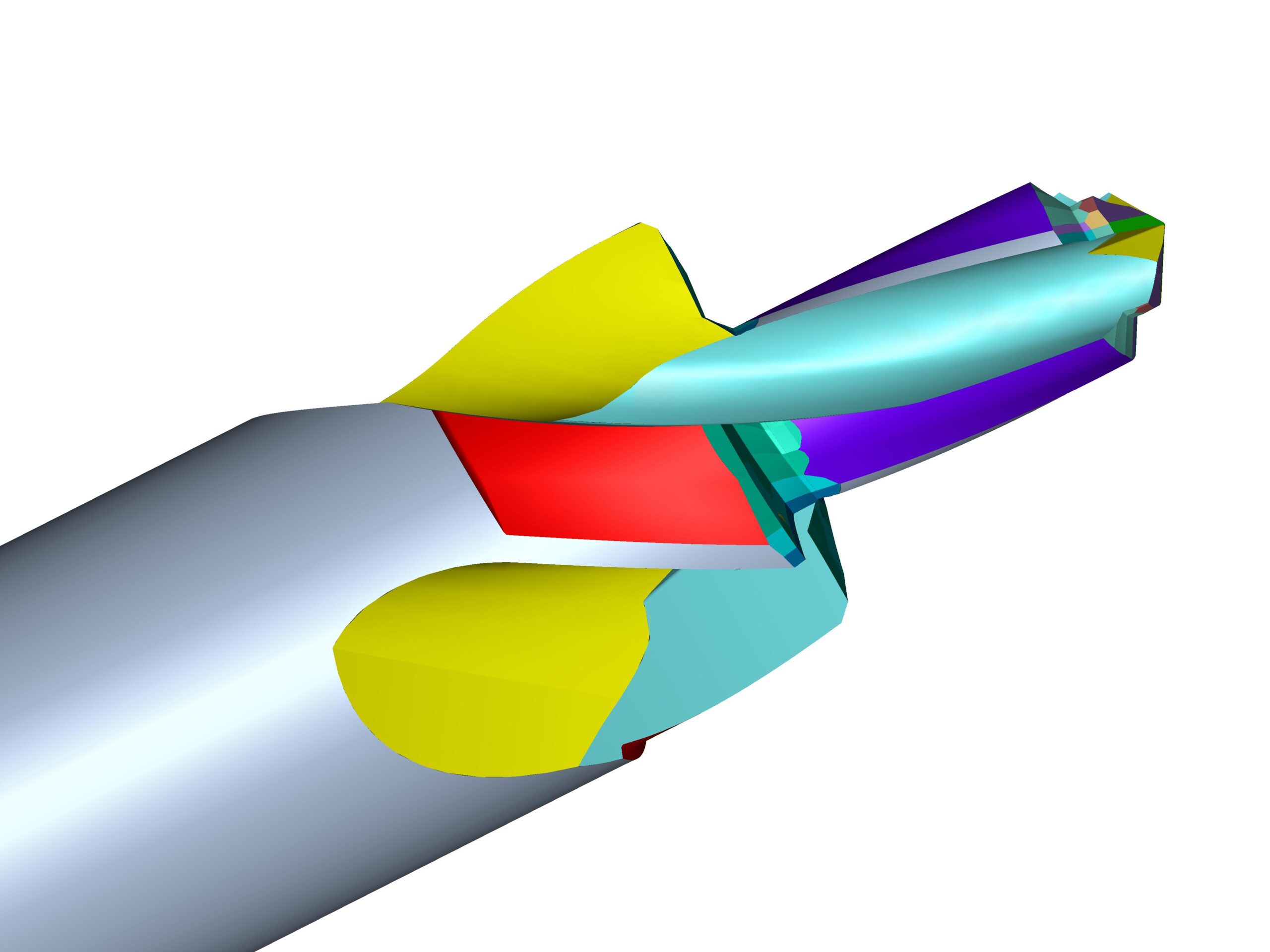
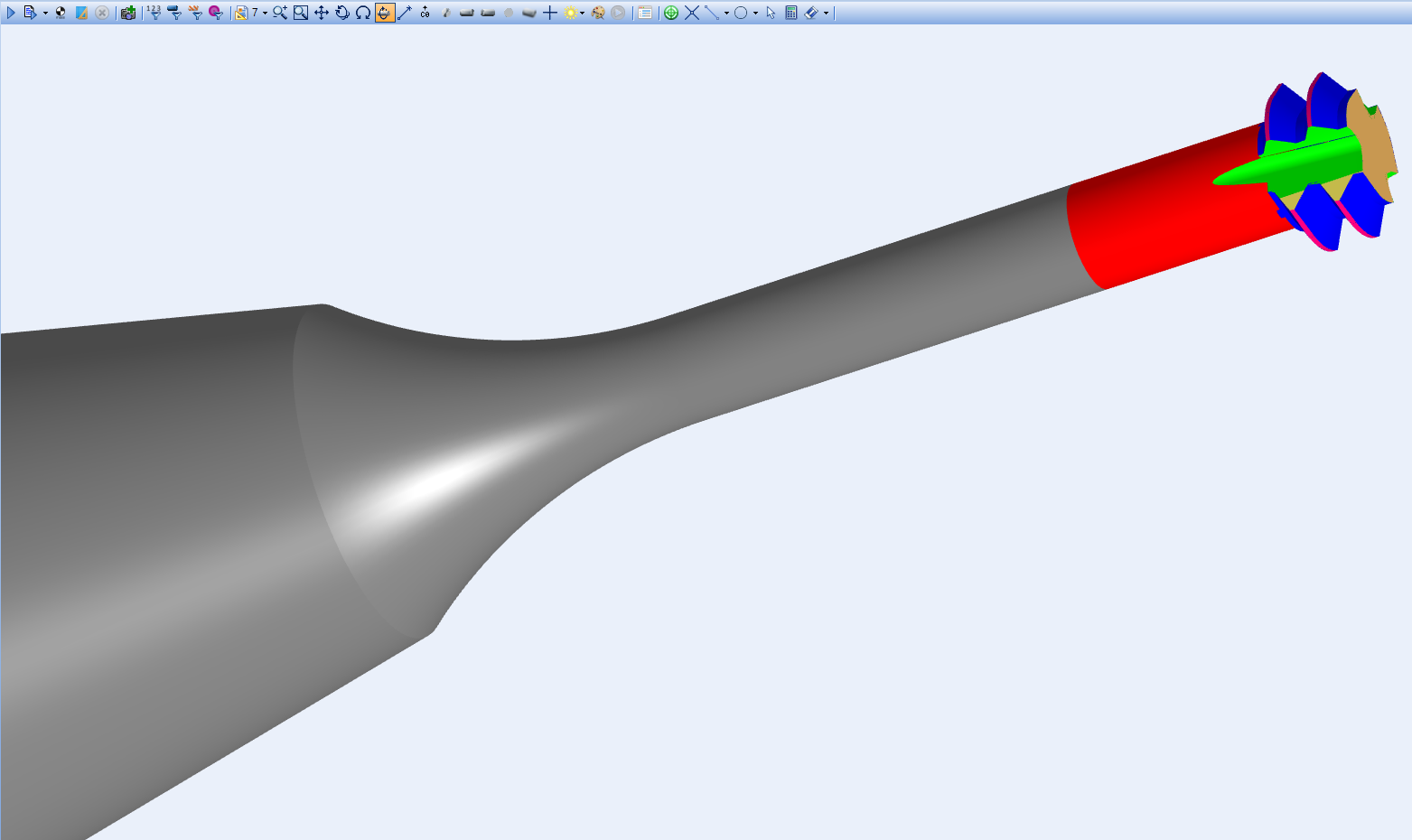
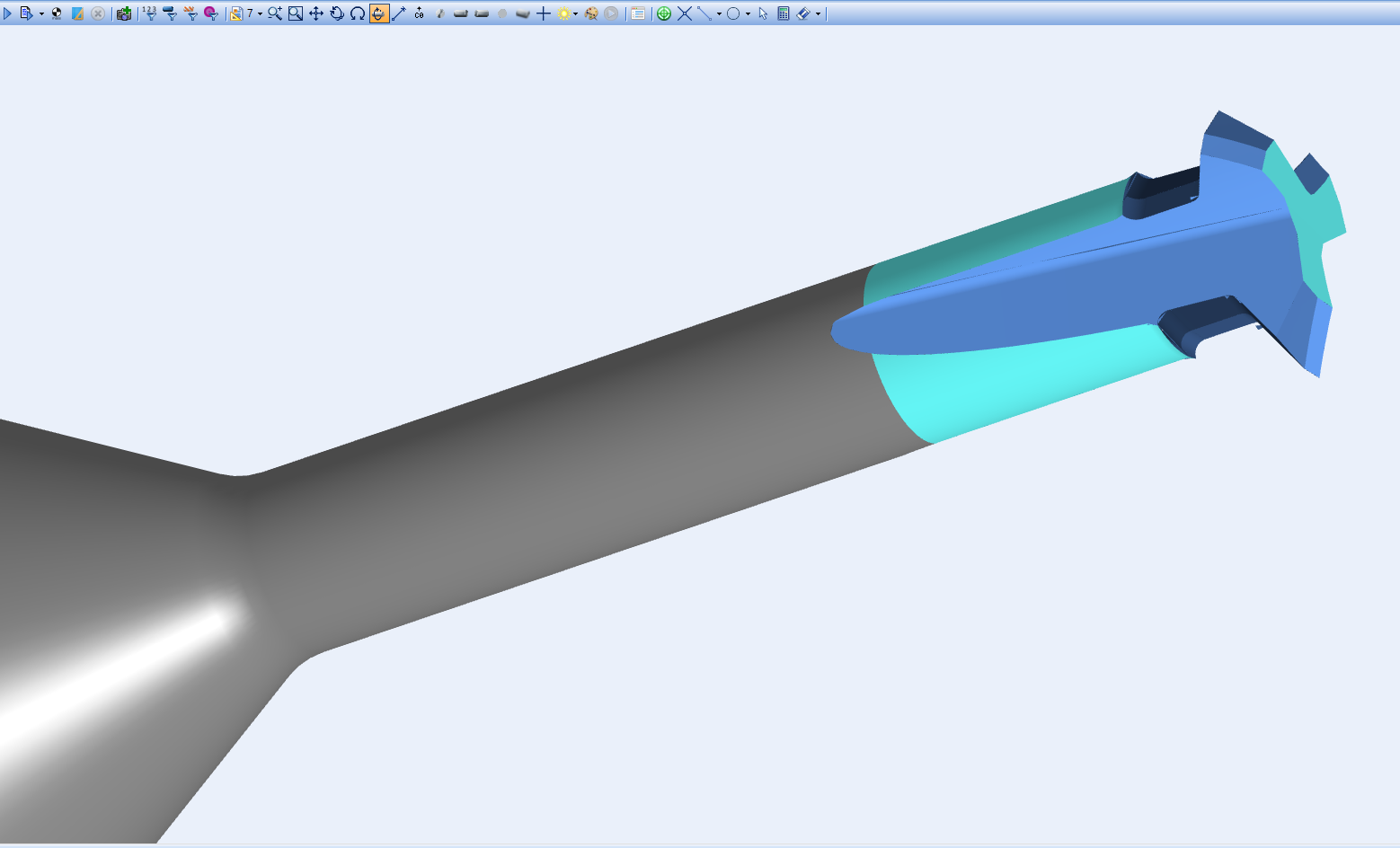
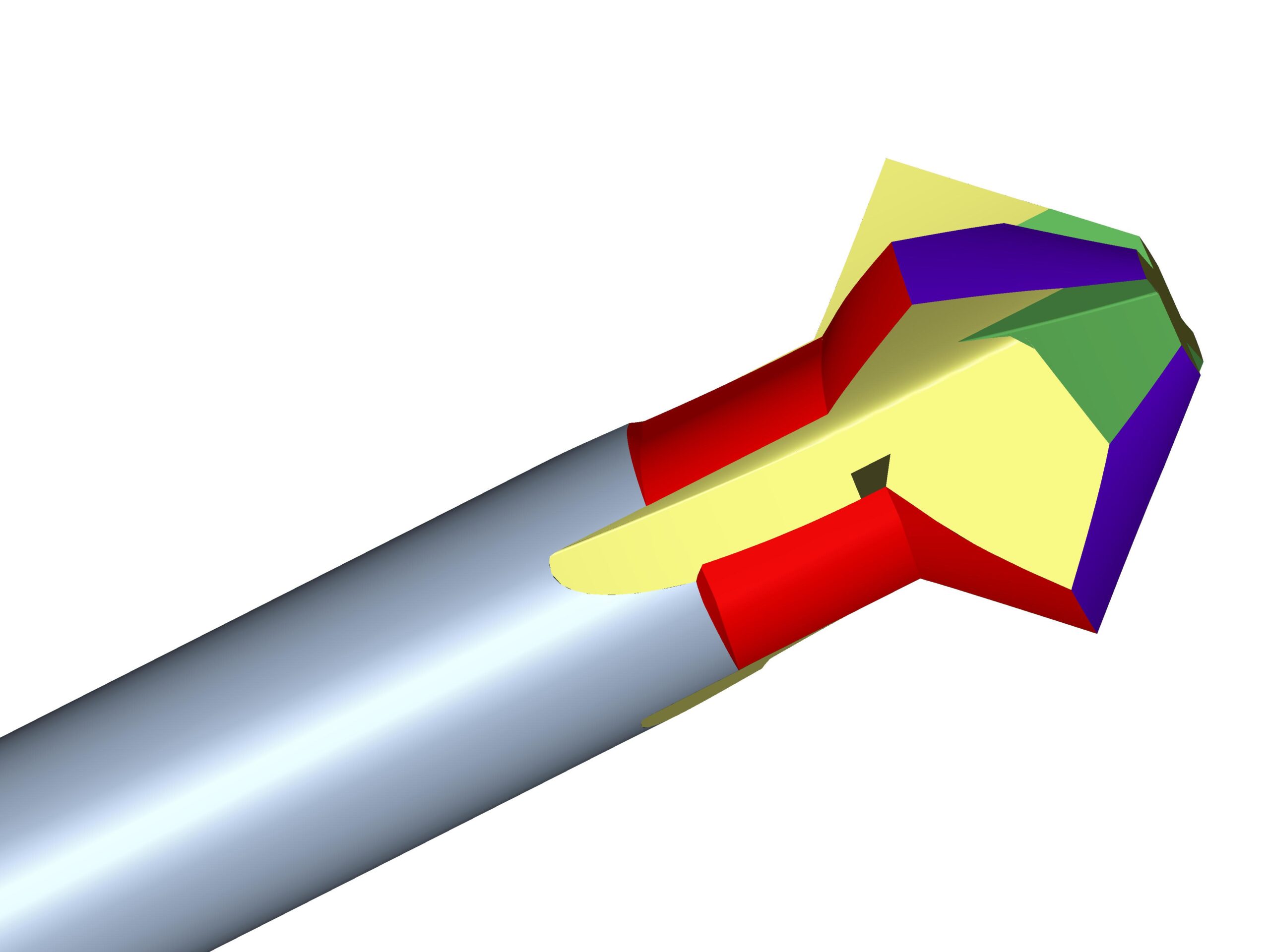
- Cutters for machining tap and valve components
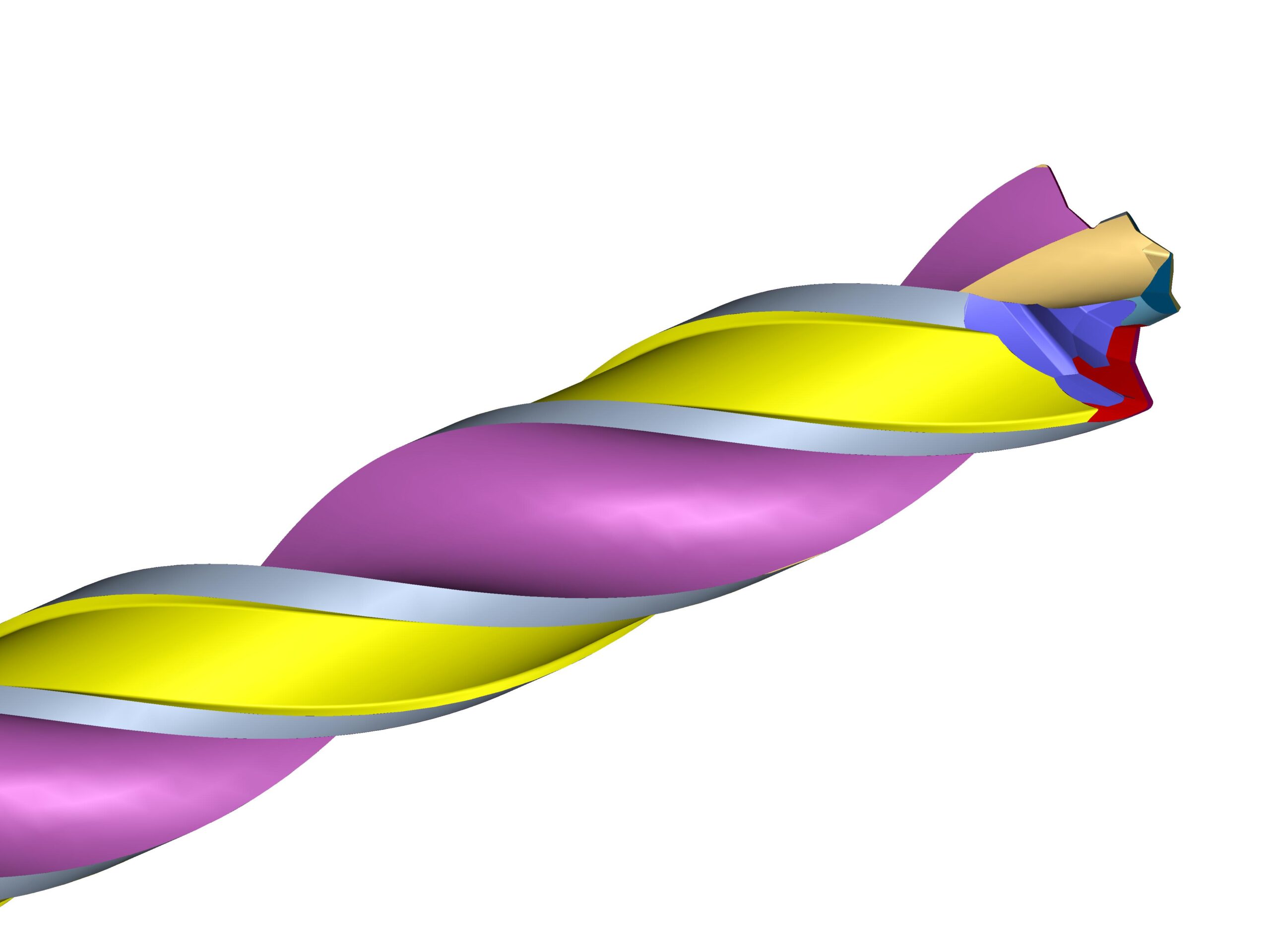
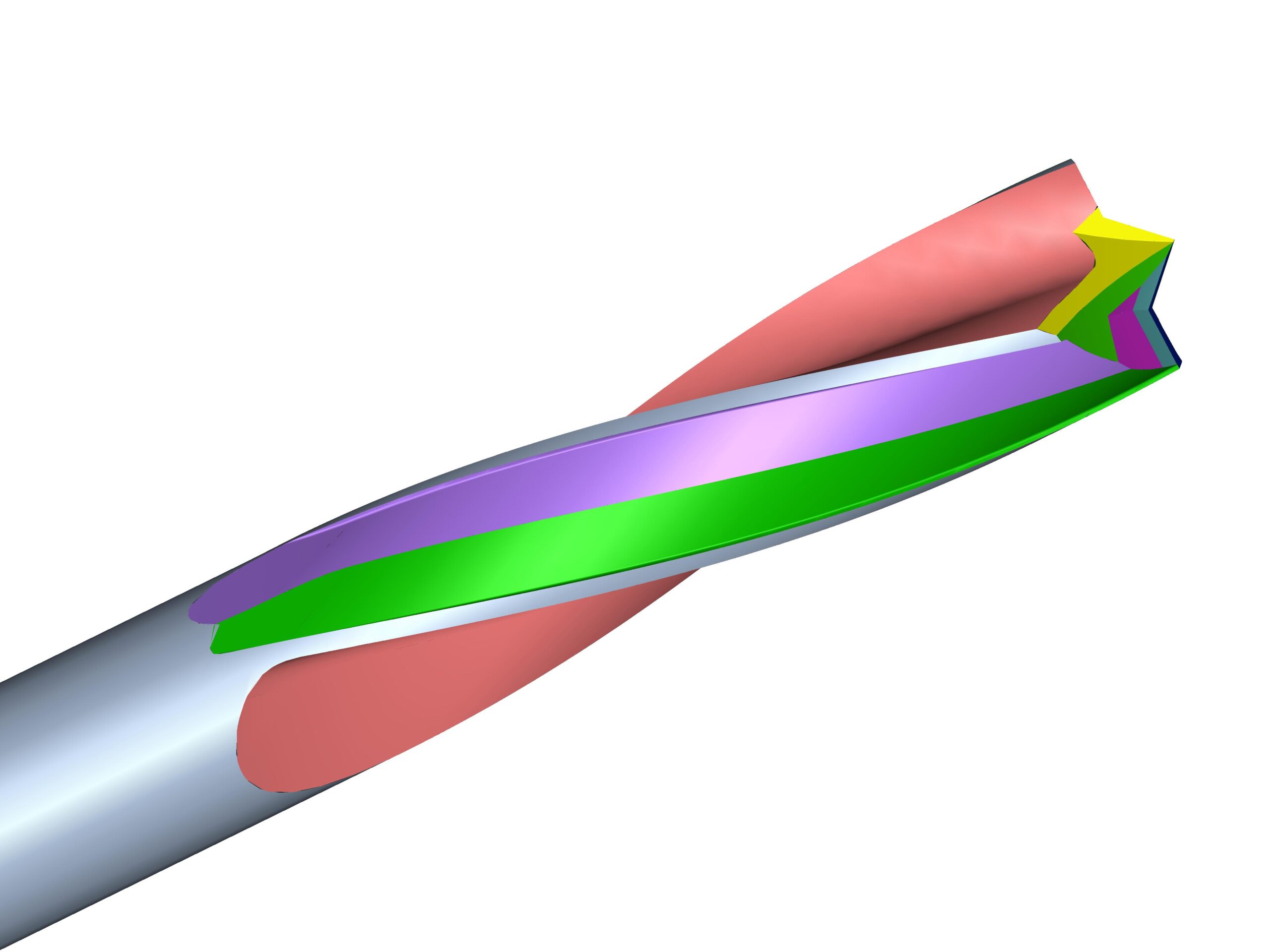
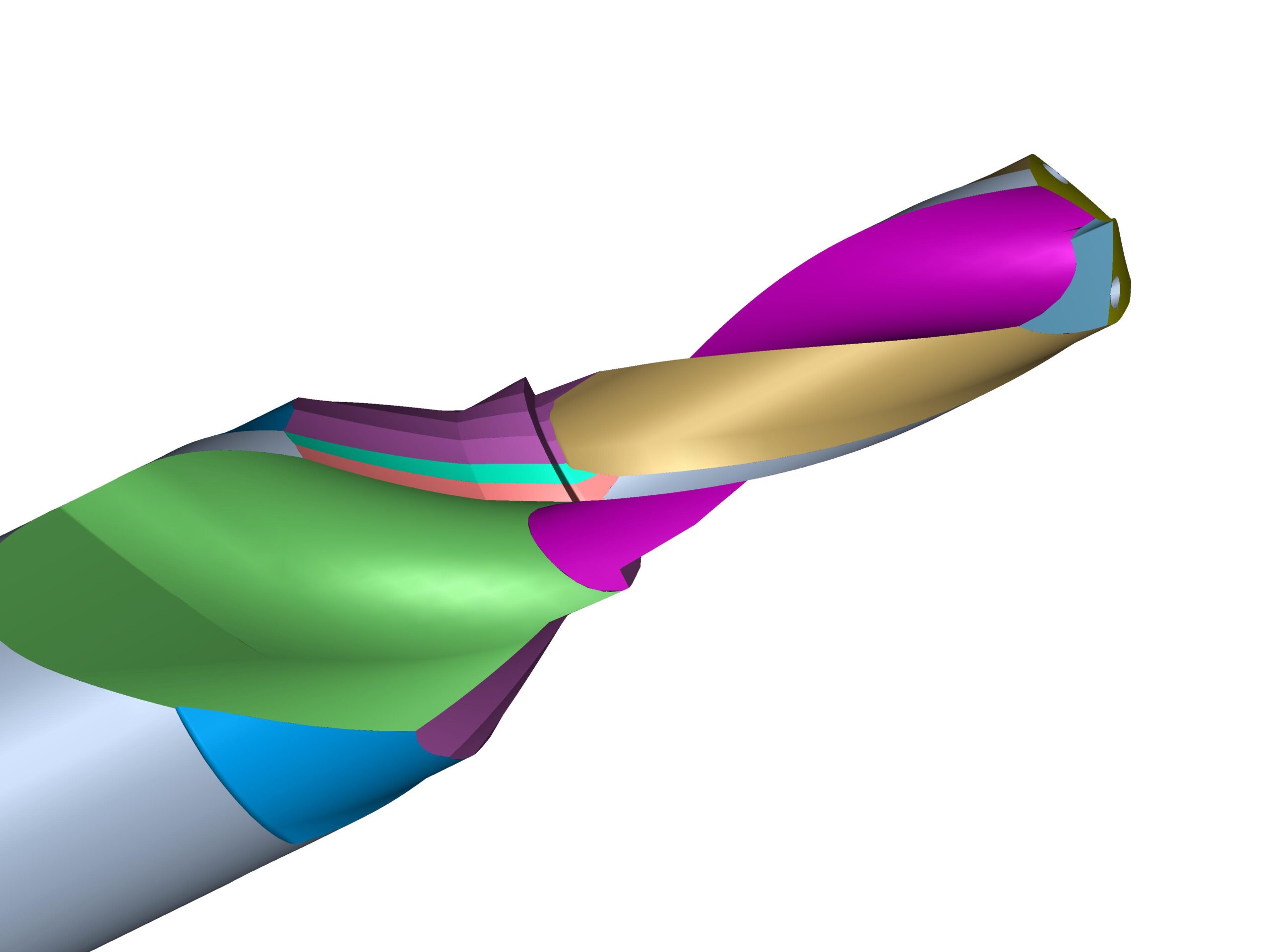
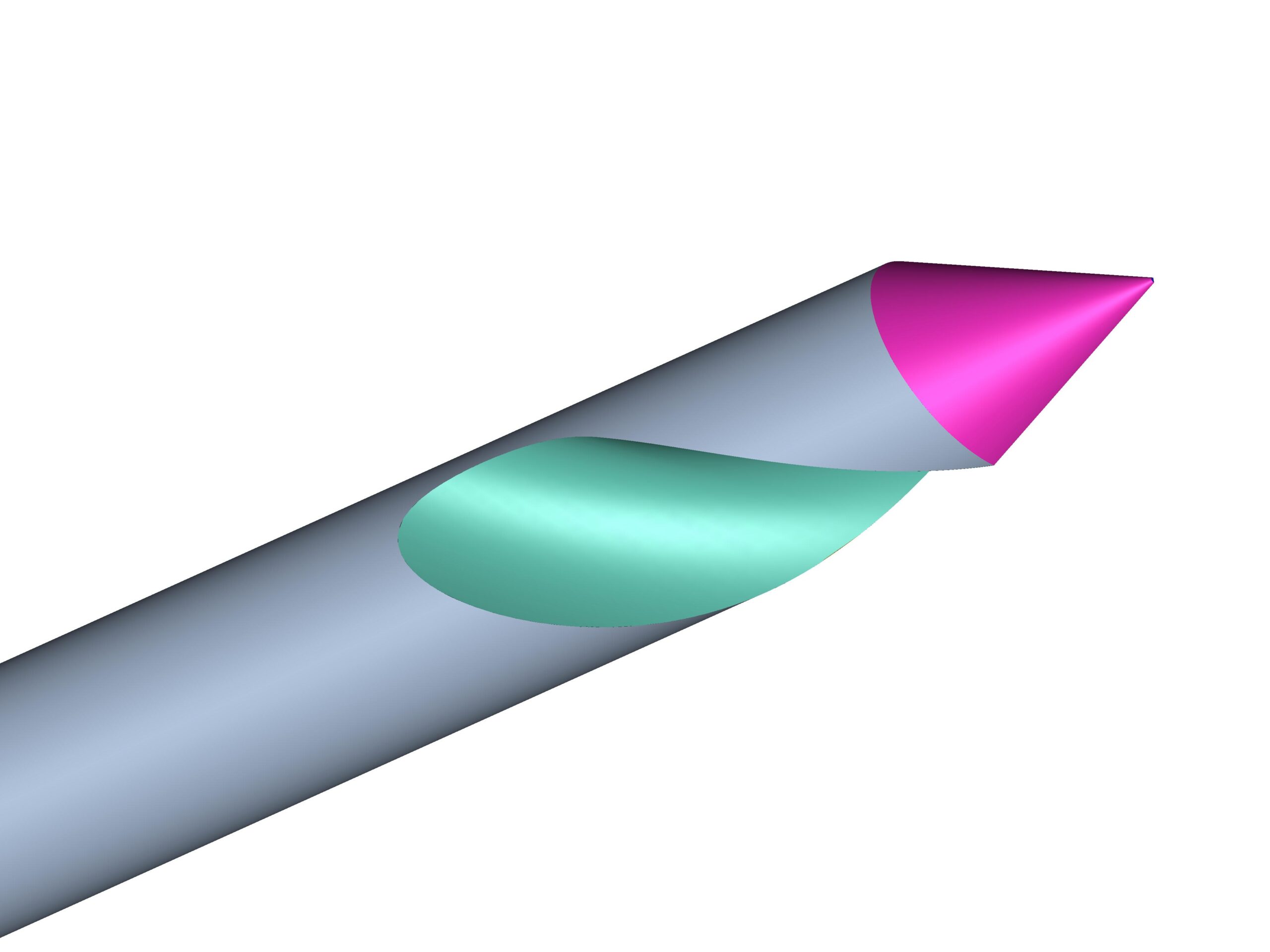
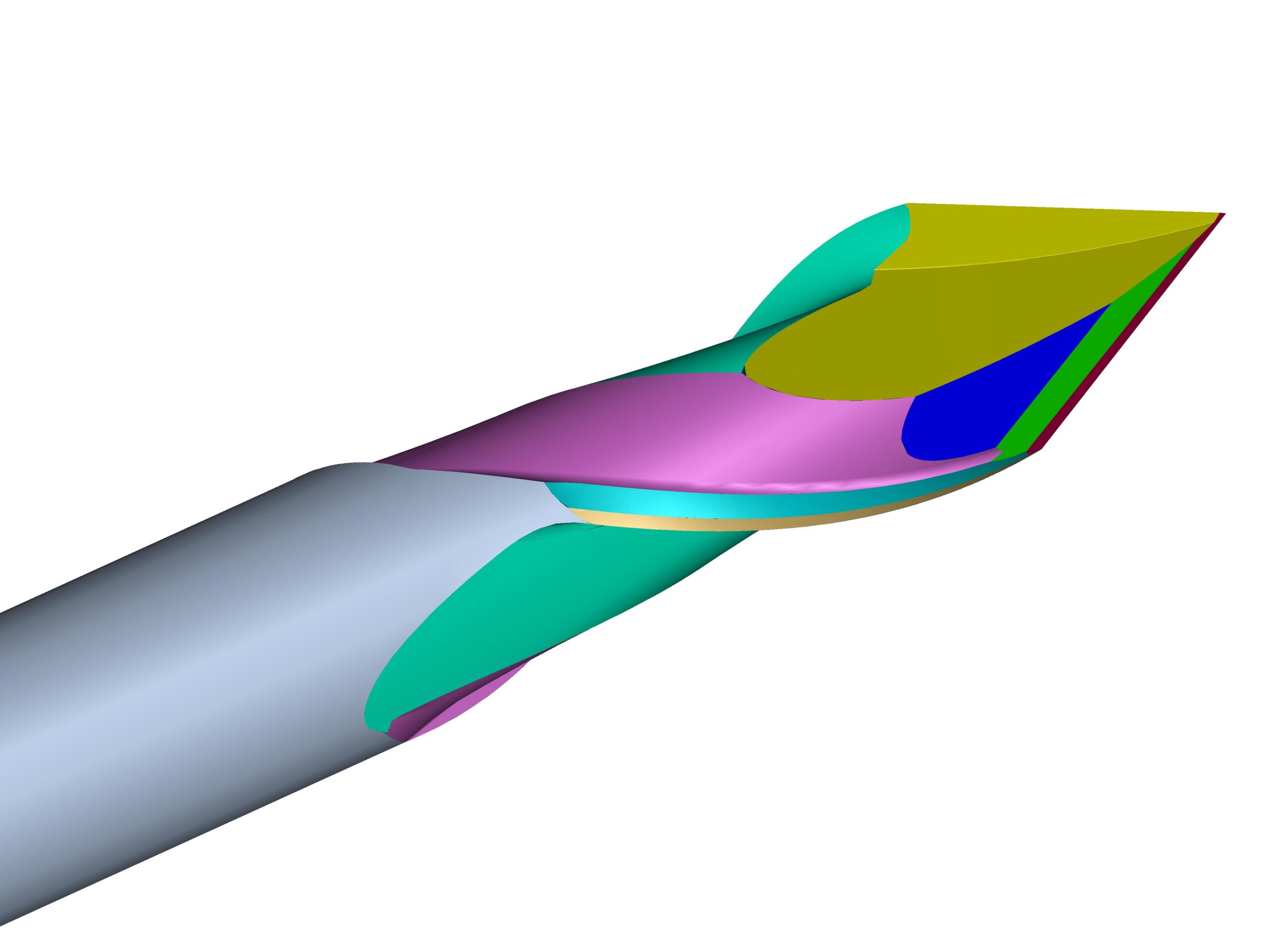
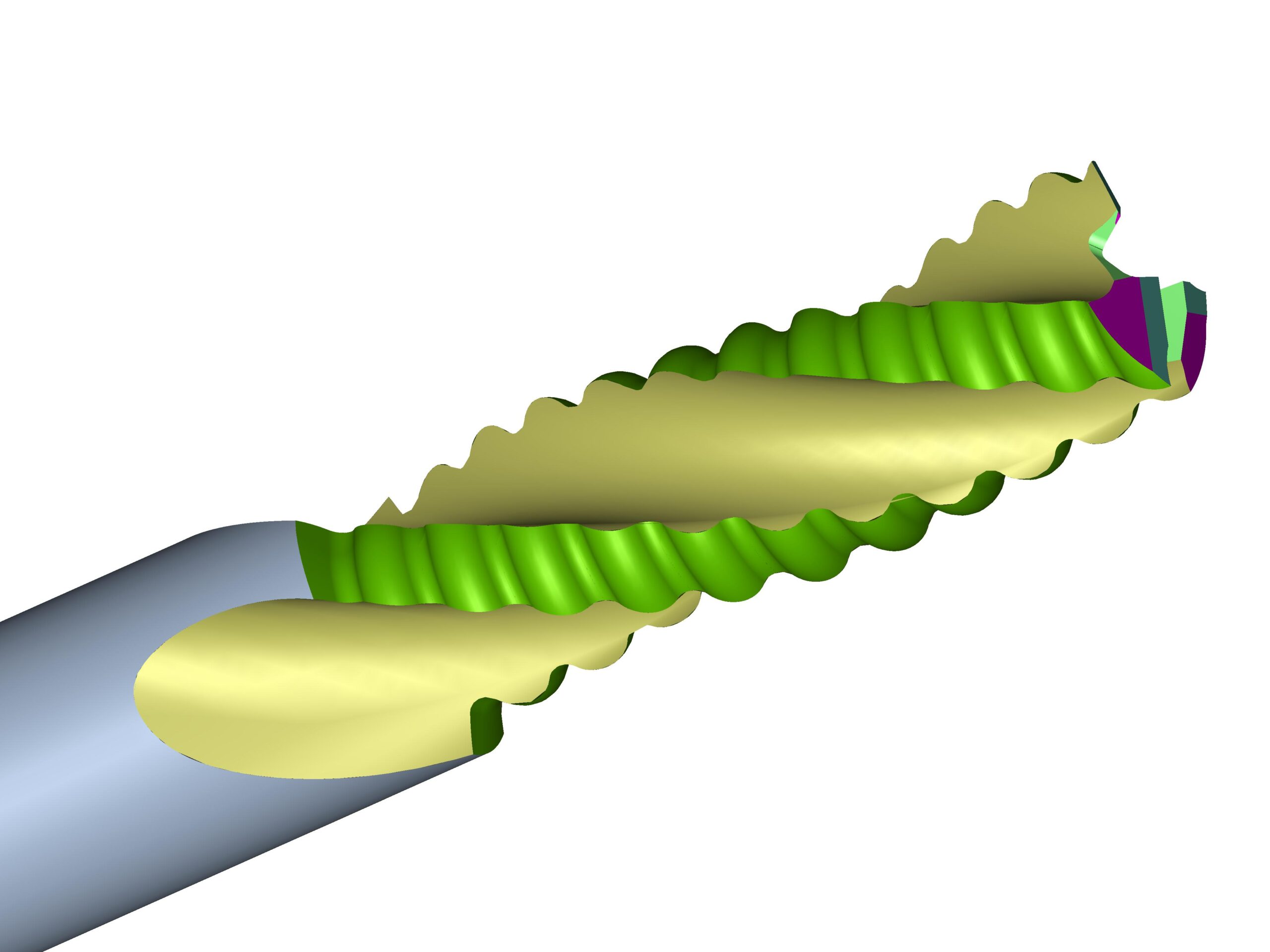
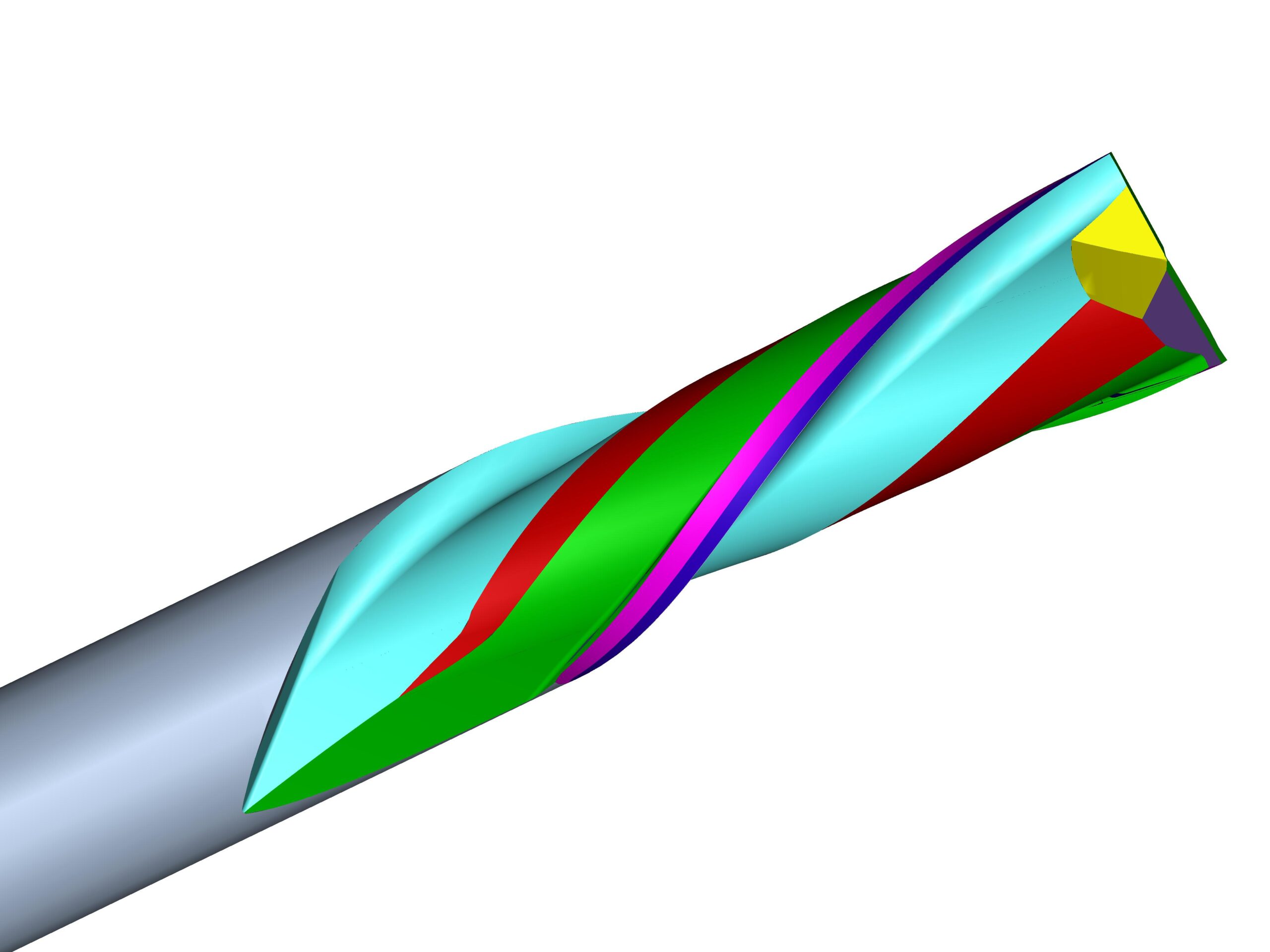
- Drills For precise drilling on non ferrous and metal materials
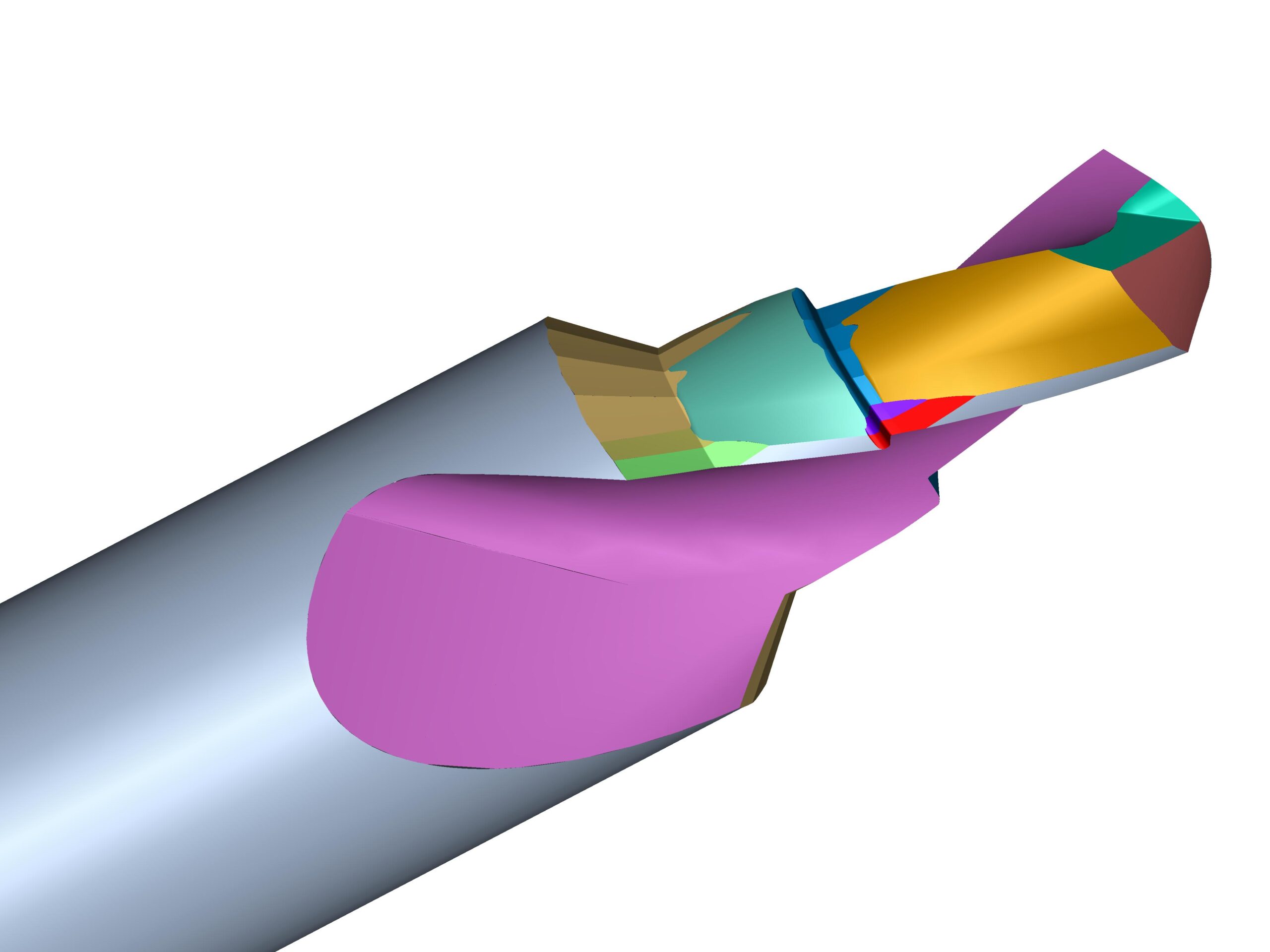
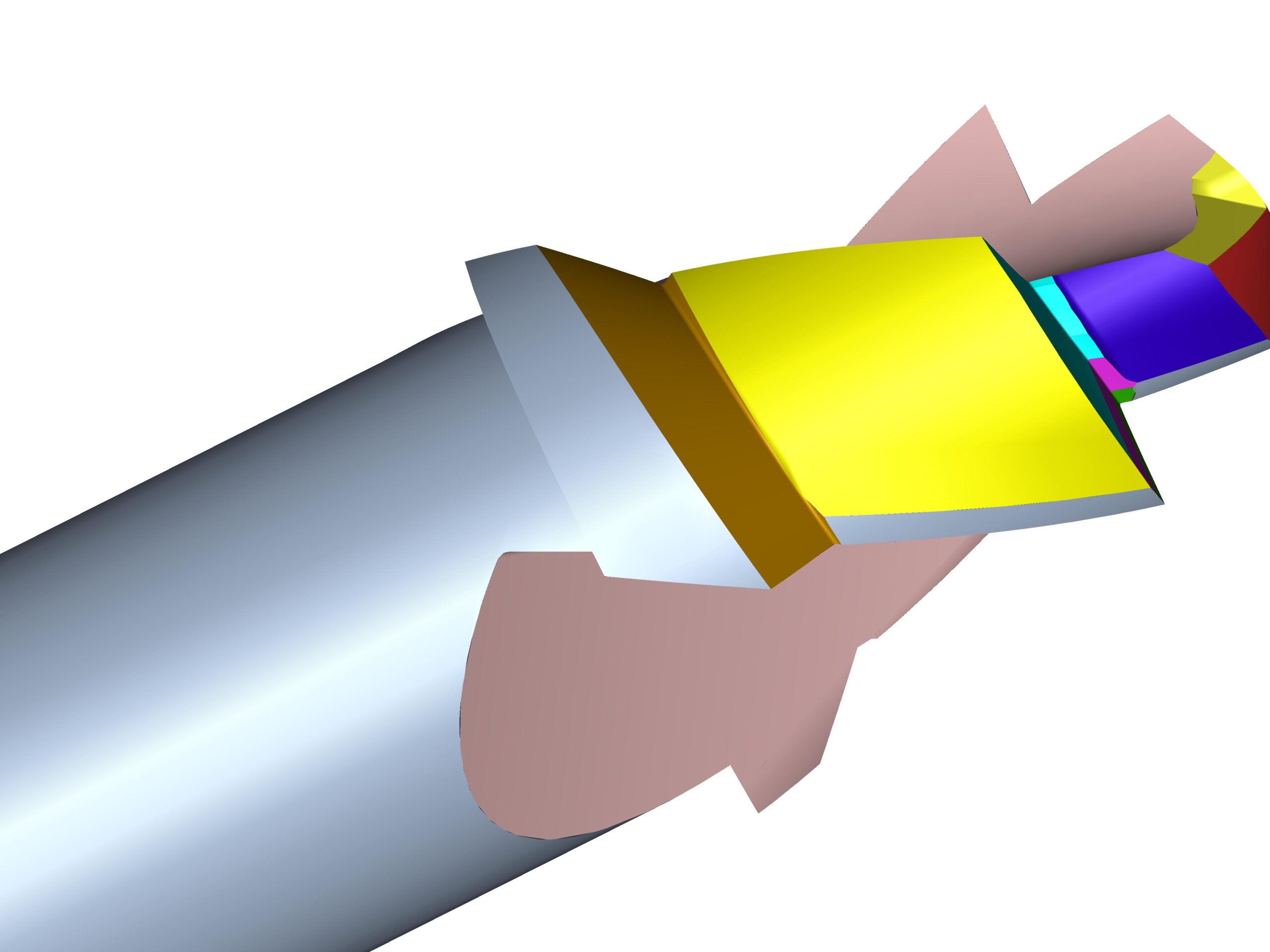
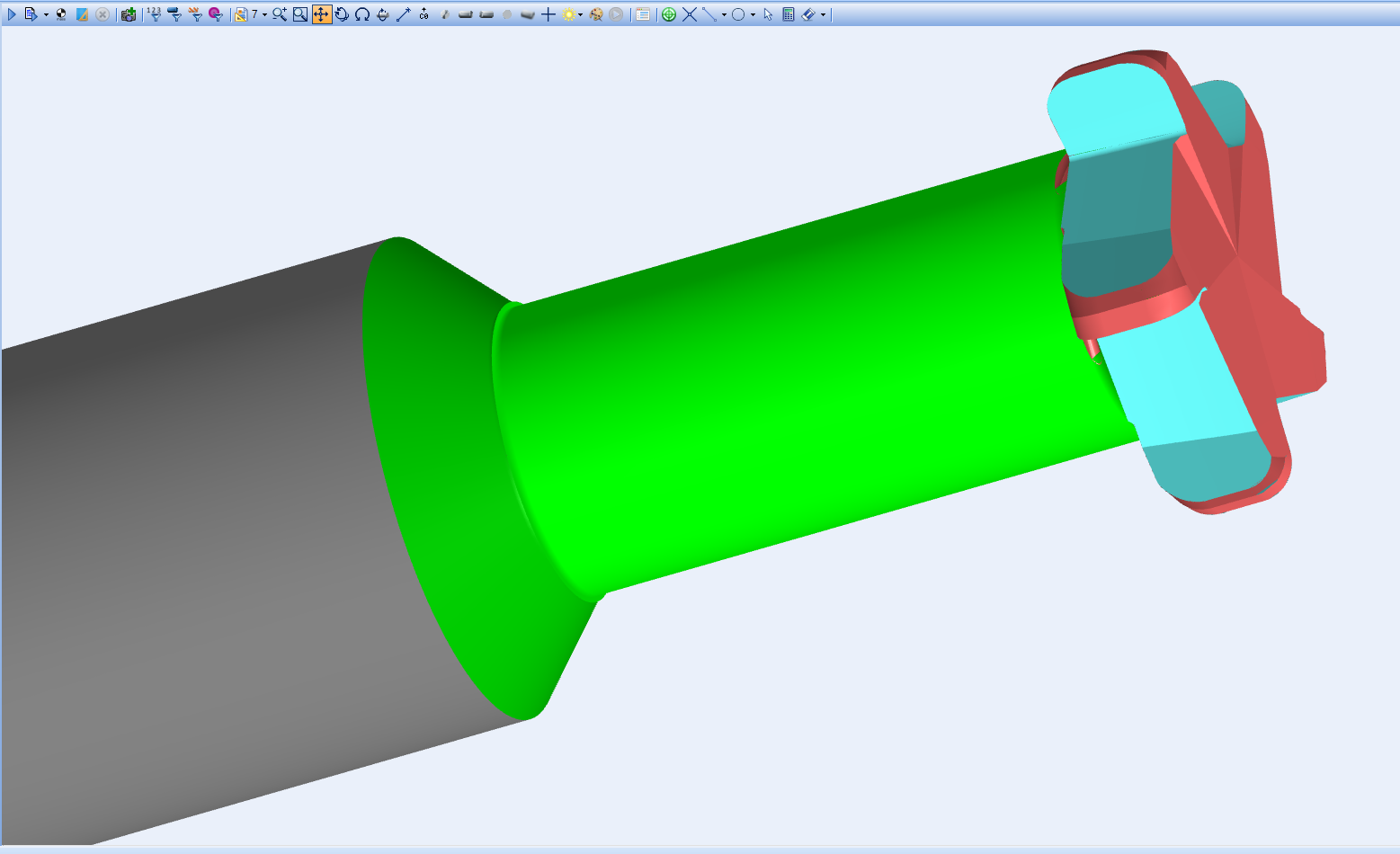
- Turning tools for machining precision parts from special alloys used in taps and valves industries.

Custom Tools
Customization
for Excellence and Performance
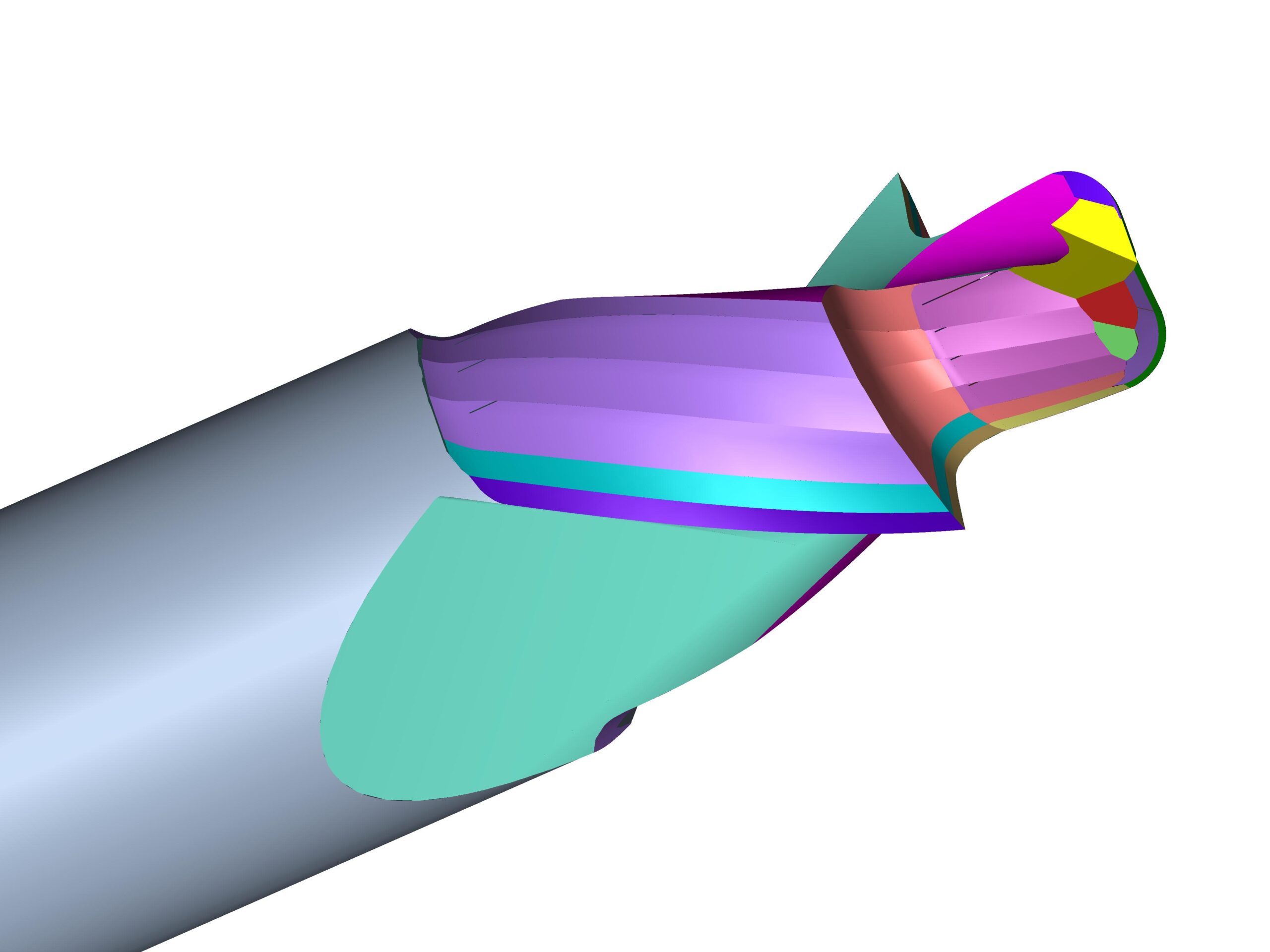
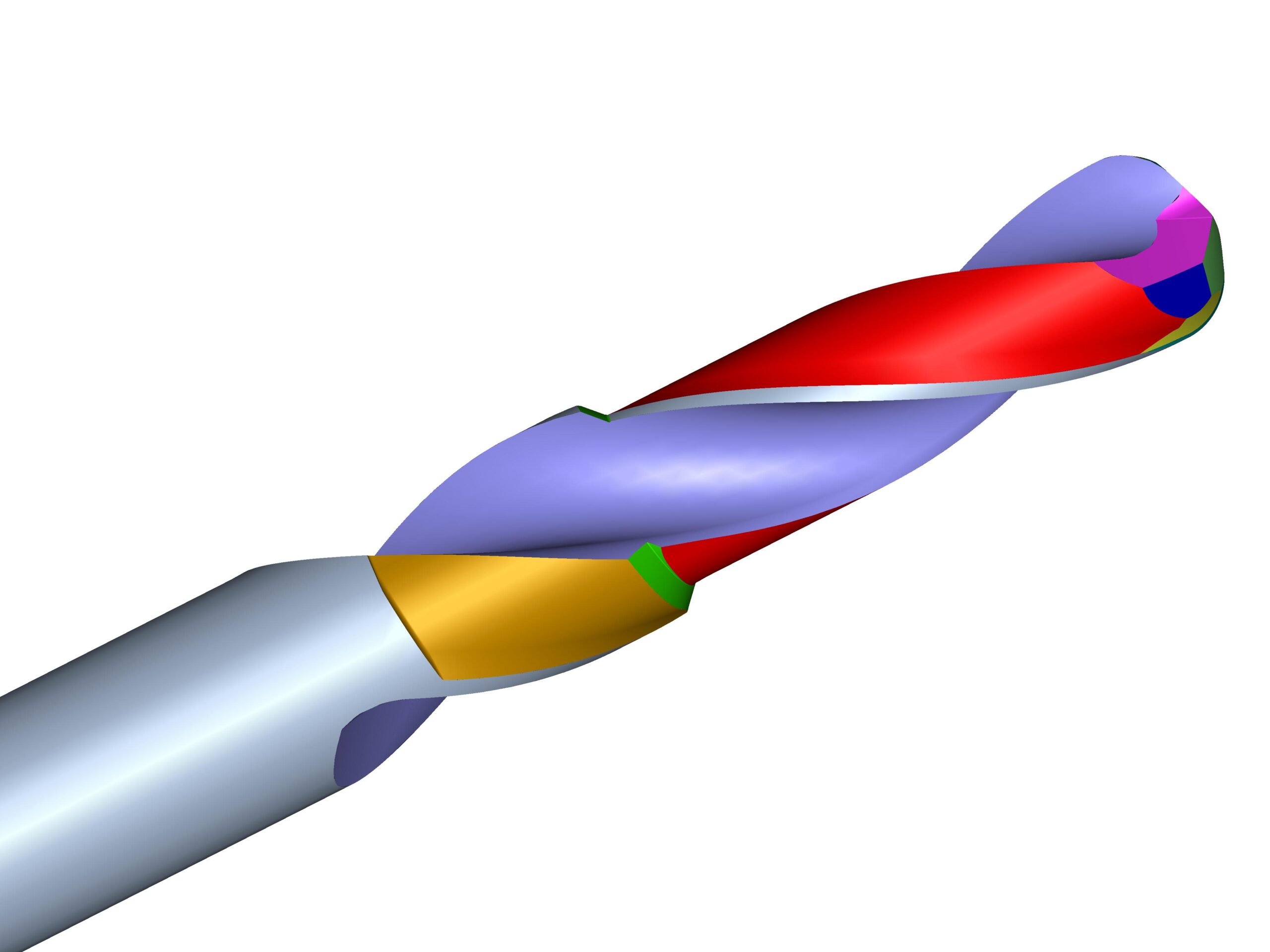
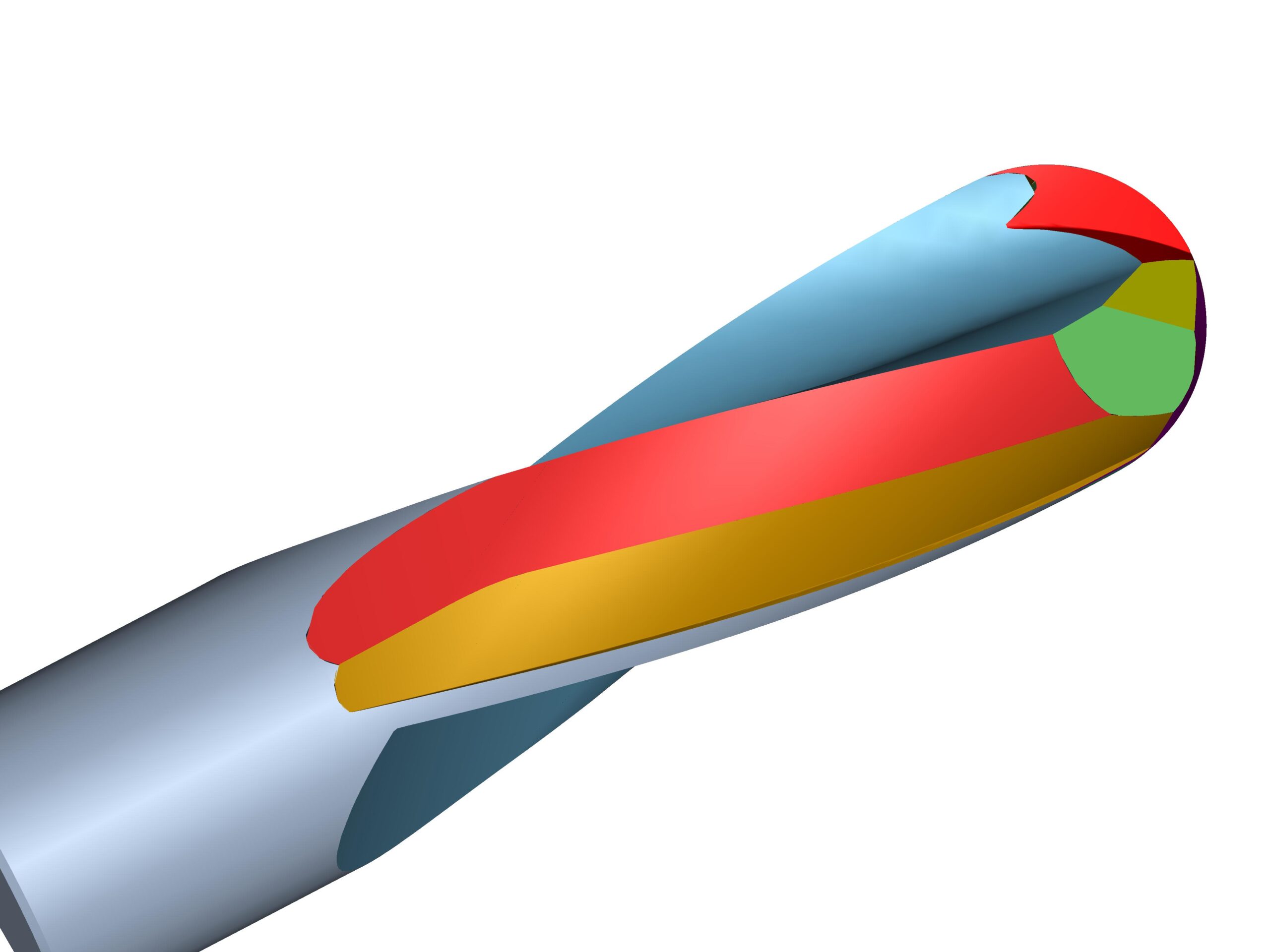
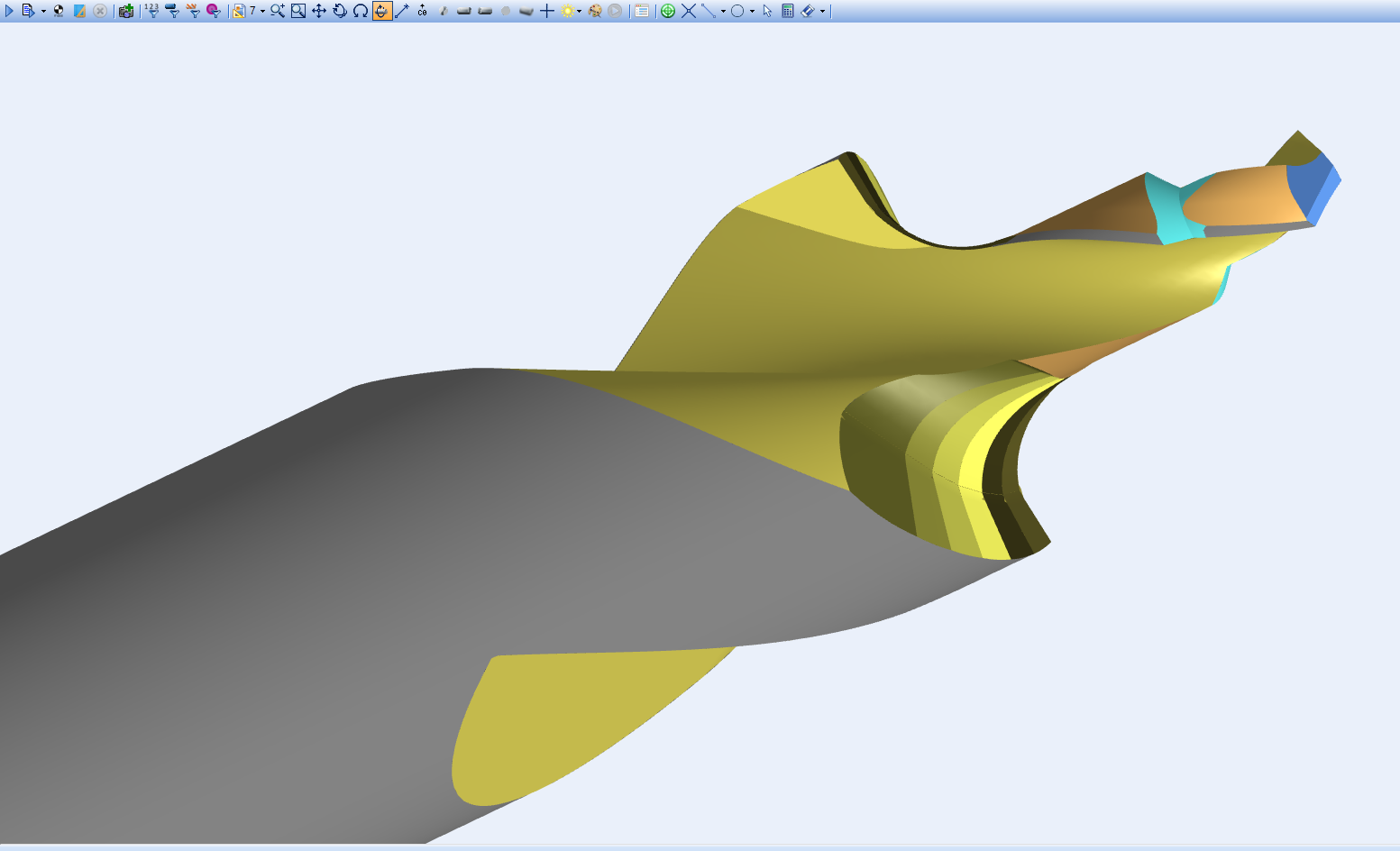
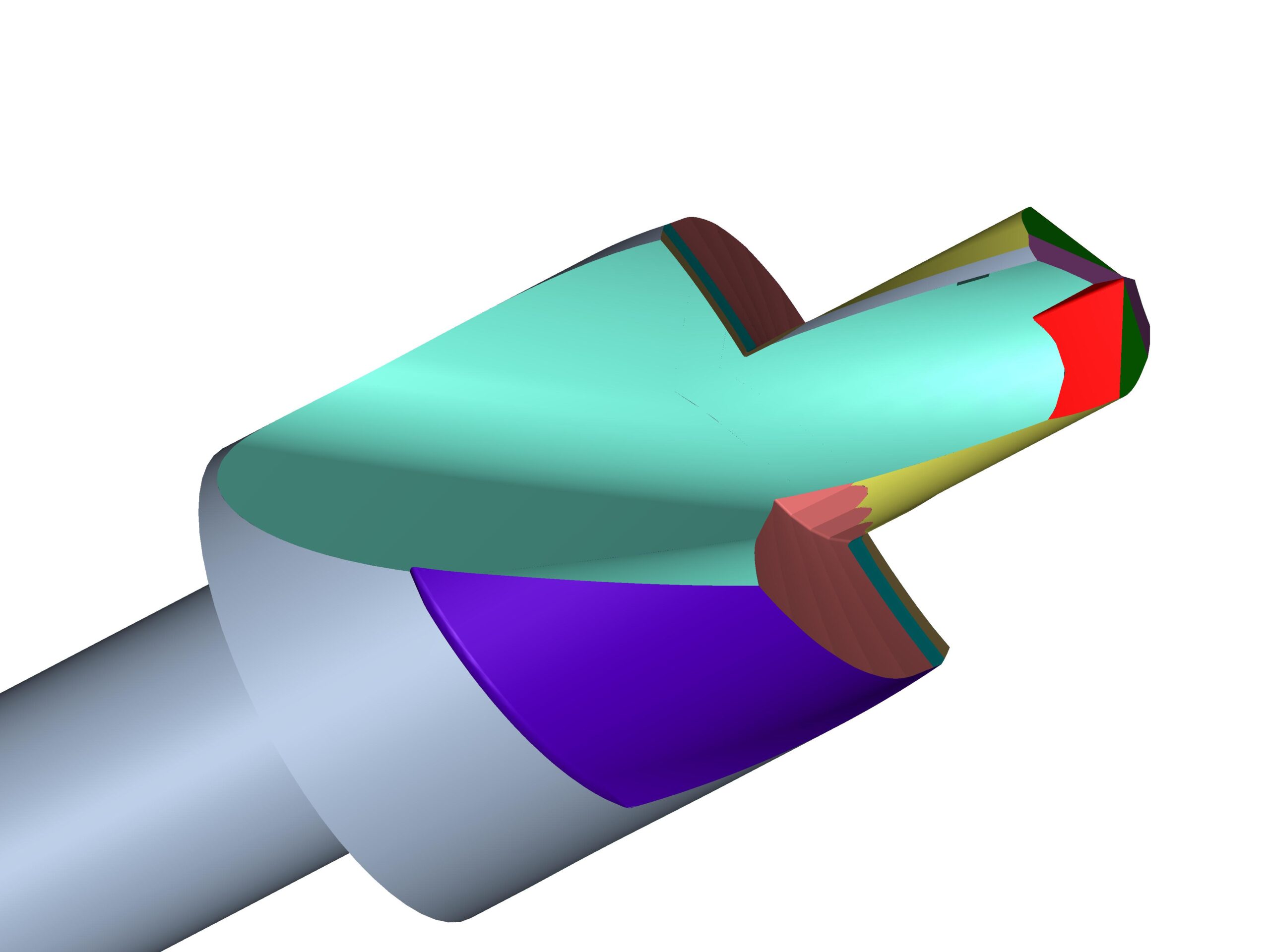
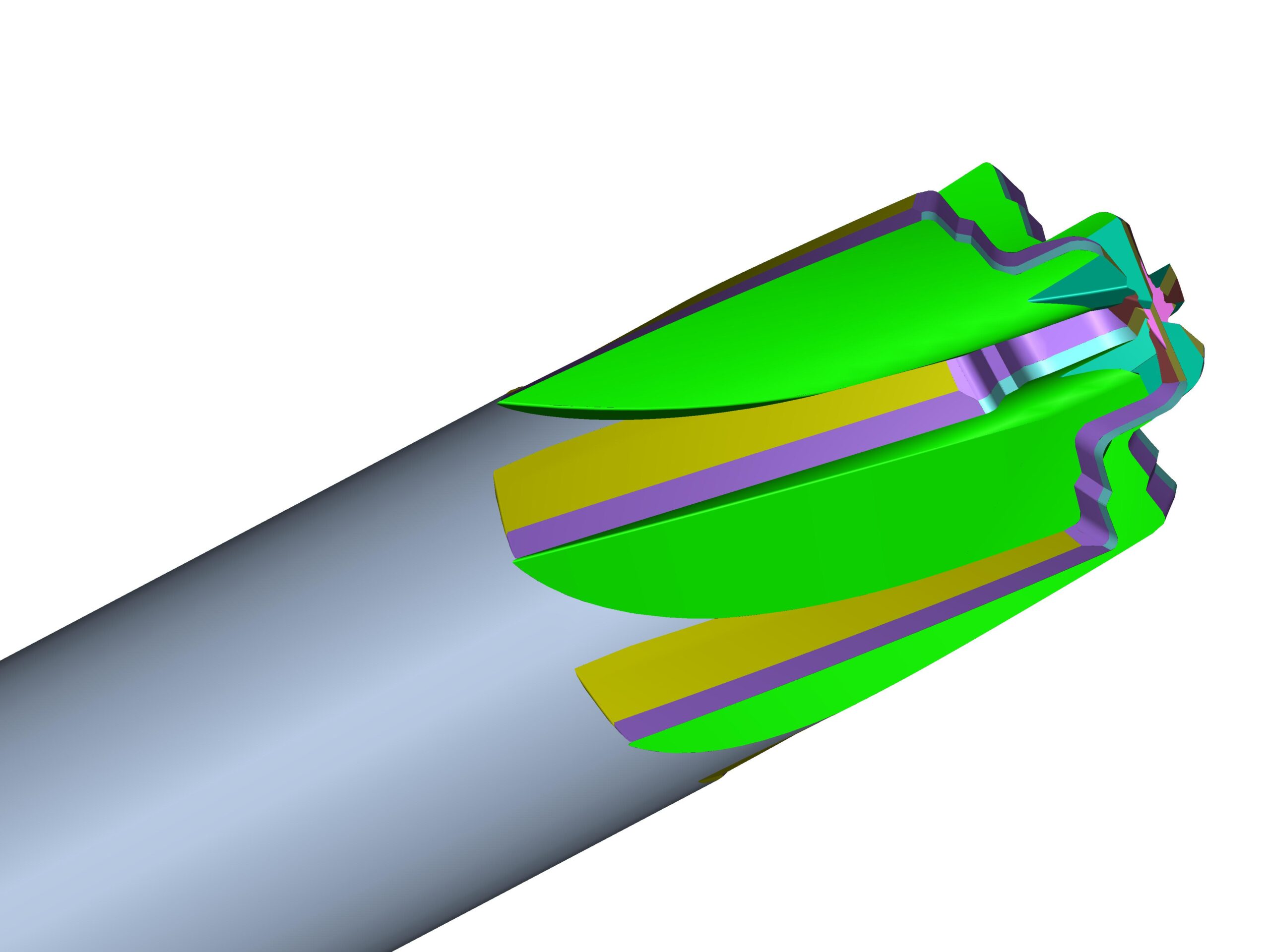
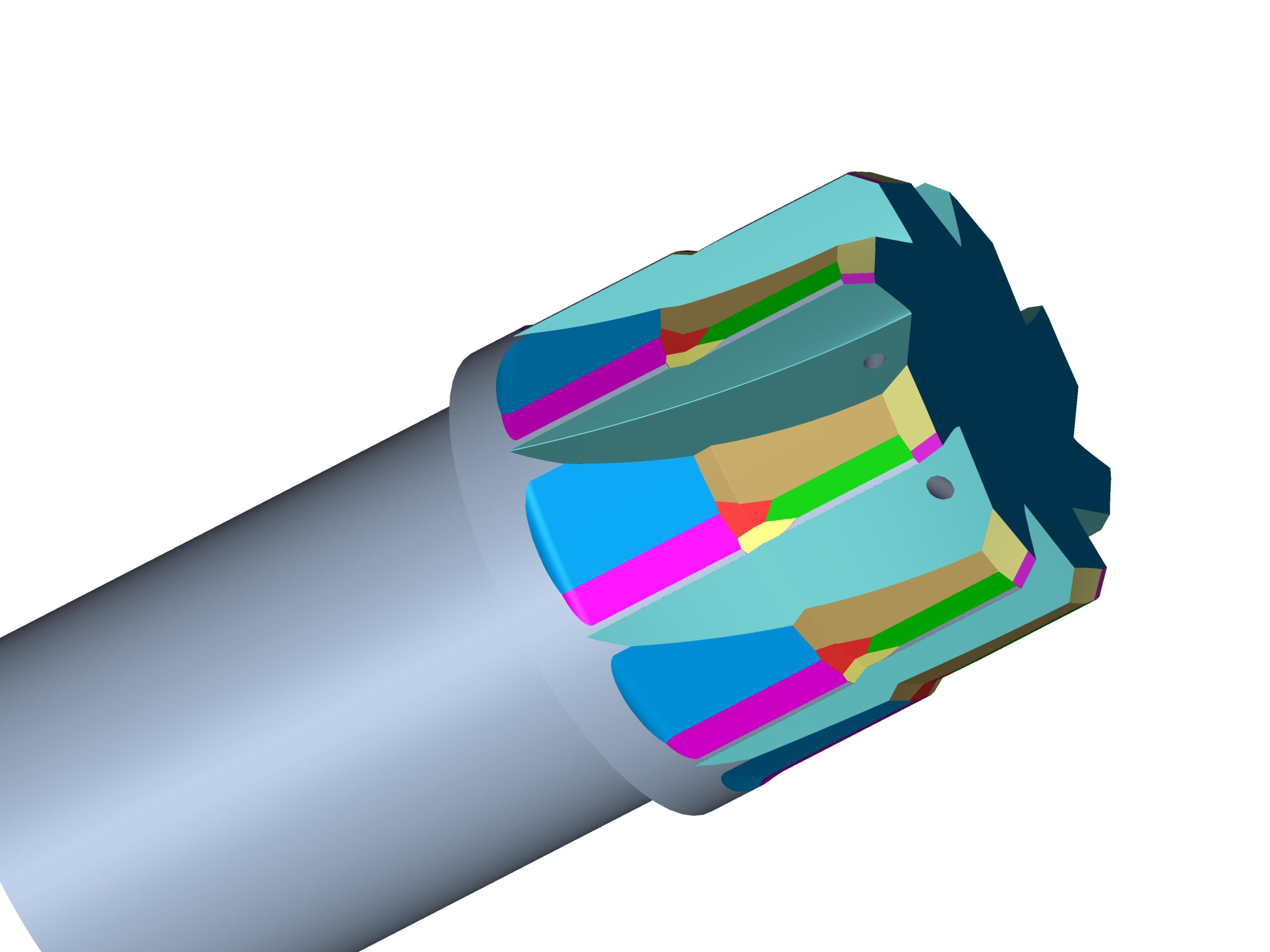
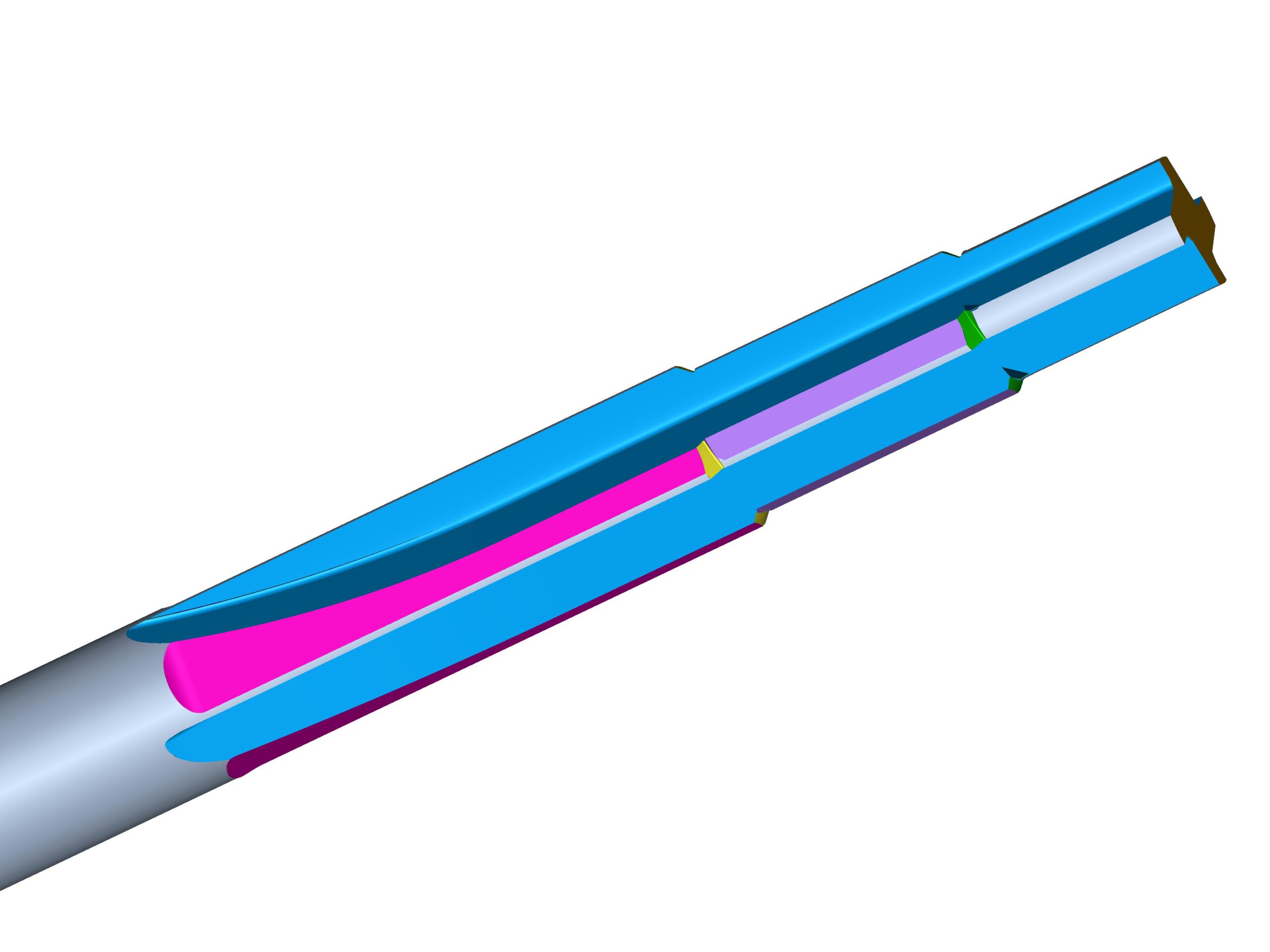
We offer customized solutions in the field of taps and valves. Our customized service includes geometries suited to production needs, special materials and coatings to maximize durability and extreme precision. Our experience guarantees reliable and quality tools.






FAQ
Tap and valve manufacturing uses cutting tools for milling, drilling, reaming, turning, profiling, countersinking and finishing.
Tool selection mainly depends on the workpiece material, component geometry, required accuracy, hole and sealing surface characteristics, and production volumes.
Nuova Cumet offers milling cutters, drills, reamers and precision cutting tools for machining brass, copper alloys, steels, stainless steels and other materials used to manufacture taps, valves and related components.
Machining brass requires cutting tools with geometries capable of achieving a clean cut, evacuating chips effectively and maintaining good surface quality.
Milling cutters, drills, reamers and turning tools must be selected according to the brass alloy, operation to be performed and required accuracy.
A geometry specific to non-ferrous materials can help improve machining quality, process stability and tool life.
Machining a valve body may require several operations: face milling, milling, drilling, reaming, countersinking, seat machining and producing profiles or threads.
Tool selection must therefore consider the entire production cycle, not just the individual operation.
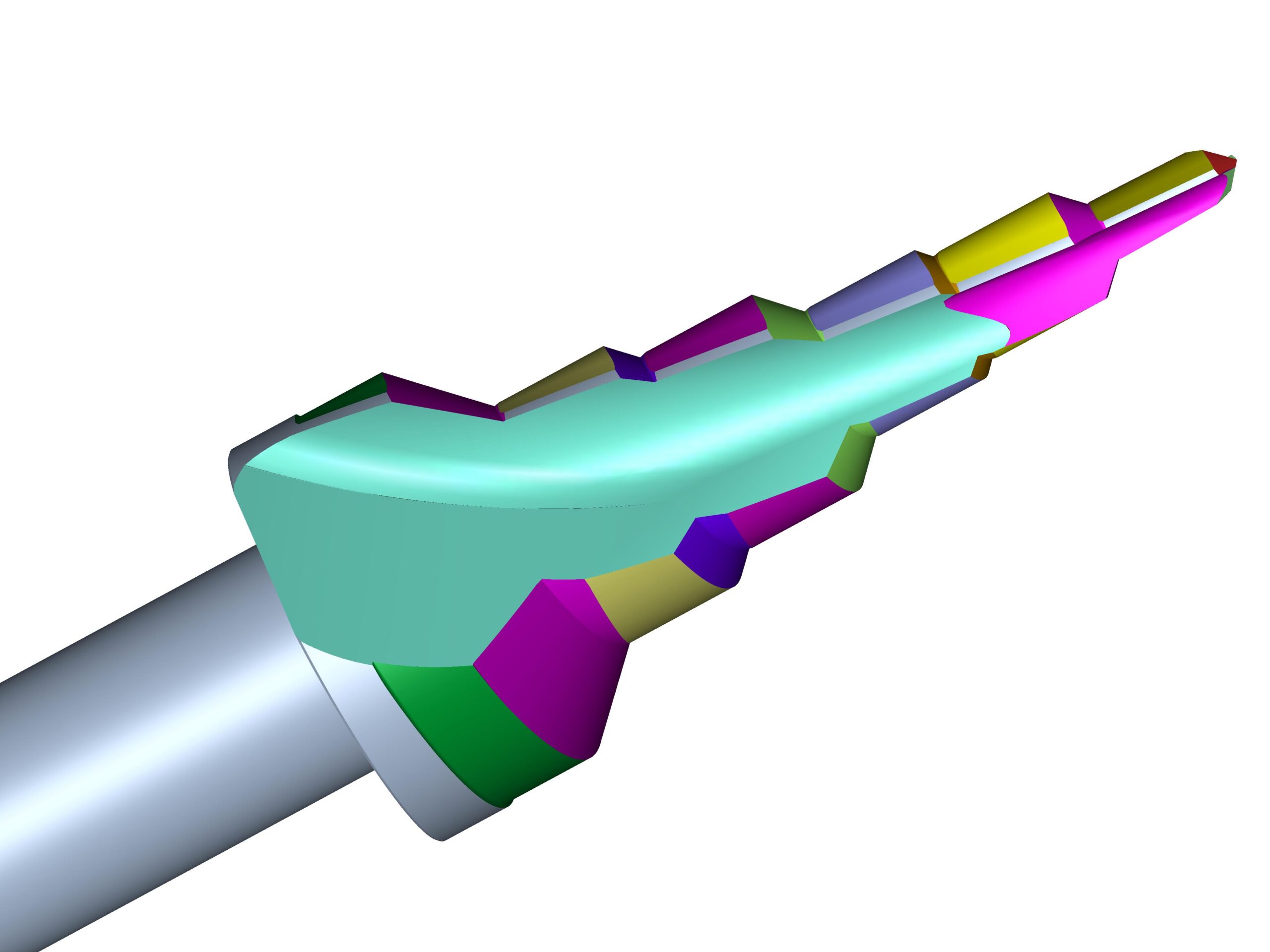
When a component has multiple diameters, steps or distinctive geometries, it may be beneficial to develop a custom cutting tool that combines several machining operations and reduces tool changes.
Producing precision holes requires control of tool geometry, rigidity of the machine–tool system, cutting parameters, coolant delivery and material condition.
Drilling can be followed by a reaming operation when tighter dimensional tolerances or better surface quality are required.
Reamers enable more precise control of the final hole diameter and finish.
Reaming is used to bring a previously produced hole to a more precise size and improve its geometry and surface quality.
In the tap and valve industry, it is particularly useful when controlled diameters and even surfaces are needed on components intended for mechanical or functional mating.
Reamer geometry must be selected according to the material, required tolerance and hole characteristics.
Seats and functional surfaces require stable, repeatable machining because geometry, concentricity and surface quality can affect correct component mating.
It is therefore important to use cutting tools with precise geometries, limit vibration and cutting edge wear, and maintain consistent machining parameters.
For distinctive geometries, a custom cutting tool can be designed to produce the required profile directly.
Burr formation depends on the alloy being machined, cutting edge geometry and condition, machining parameters and system rigidity.
Using sharp cutting tools and geometries specific to non-ferrous materials enables more controlled cutting and can reduce subsequent deburring and finishing operations.
In series production, this can have a significant impact on overall machining time.
Machining stainless steel requires cutting tools capable of limiting friction, heat and cutting edge wear.
Selection must consider the stainless steel type, operation to be performed, amount of material to be removed, coolant delivery and required finish.
Milling cutters, drills and reamers can be manufactured with specific geometries and coatings to improve process stability and tool life.
A custom cutting tool is beneficial when a standard tool cannot efficiently deliver the required geometry, accuracy, finish or productivity.
It can be particularly useful for valve bodies, seats, multi-diameter holes, distinctive profiles or components requiring several consecutive machining operations.
Through Nuova Cumet, customised cutting tools can be developed according to the component, material and actual machining conditions.
Yes, in certain applications.
A custom cutting tool can be designed to produce multiple diameters, steps, chamfers or profiles during the same operation.
Combining several machining operations in a single tool can reduce tool changes, shorten cycle time and limit errors caused by subsequent component setups.
The benefit must be assessed according to workpiece geometry and production volumes.
Tool life depends on the combination of geometry, carbide quality, coating if used, cutting parameters, chip evacuation and machine condition.
Even materials generally characterised by good machinability require correctly sized cutting tools when machined in intensive production cycles.
Selecting a geometry specific to the material and application helps maintain more consistent component quality and reduce the frequency of tool changes.
Reducing cycle time requires analysis of the entire machining sequence.
Improvements can involve cutting parameters, number of operations, tool changes, drilling and reaming methods, and the possibility of using combination tools.
In some applications, a custom cutting tool designed around the component can combine several operations and help make the process faster and more repeatable.
In series production, the drill must ensure precision, tool life and process stability over a large number of cycles.
Selection must consider the material, diameter, hole depth, any need for internal coolant delivery and required production speed.
For high-productivity applications, drills with optimised geometries can be used to improve self-centring, wear control and chip evacuation.
Yes. Through MyCarbide, custom cutting tools can be developed based on the characteristics of the component, material and production process.
Customisation can include geometry, profile, diameters, lengths, number and shape of cutting edges, carbide grade and coating.
For example, form cutters, reaming tools, custom drills and other cutting tools can be developed for machining operations that cannot be handled optimally with a standard solution.
To design a custom cutting tool, it is helpful to understand the component and machining process in detail.
The key information includes:
- component drawing;
- material and alloy;
- operations to be performed;
- machine tool used;
- diameters and depths;
- profiles or steps to be produced;
- required tolerances;
- surface quality;
- coolant system;
- cutting parameters currently used;
- production volumes;
- tools currently in use;
- tool life;
- any burr, wear, vibration or accuracy issues.
These data make it possible to design the cutting tool while considering component accuracy, tool life, cycle time and process stability together.
contact us
Information
and support
For any questions, inquiries, or assistance, please feel free to contact us.
You can send an email directly to info@nuovacumet.it or fill out the contact form.
Your request is important to us, and we are here to assist you in the best possible way.