
Fashion Sector
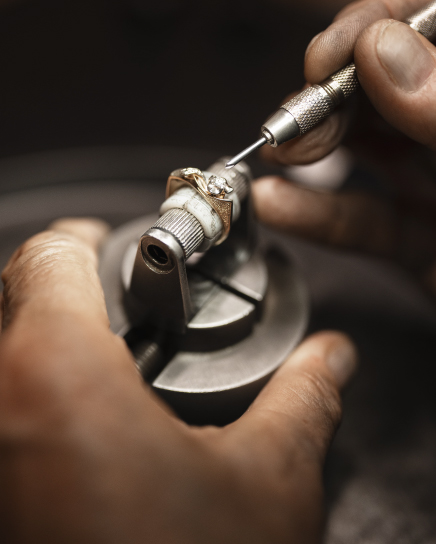
For years, Nuova C.U.M.E.T. has stood out for its commitment to quality and innovation in the fashion accessories industry. Our “Made in Italy” manufacturing and our ongoing search for new solutions make us a reliable partner for creative and production challenges in the fashion industry.
Benefits of Our Solutions
Precision for the Fashion Accessories Sector
In the fashion accessories industry, where precision and finish are essential, our tools offer superior performance and innovative geometries.
Key features include:
- Precision Down to the Millesimal Level: Designed to ensure extremely precise machining, our tools are essential for creating intricate, high-quality details in fashion accessories.
- High-Quality Materials: We use premium materials and advanced technologies to ensure our tools offer maximum durability and reliability, guaranteeing exceptional results over time.
- Versatility: From precision machining to the production of complex shapes, our tools offer versatility and unlimitedapplications in the fashion accessories industry.
Tools Mainly used:
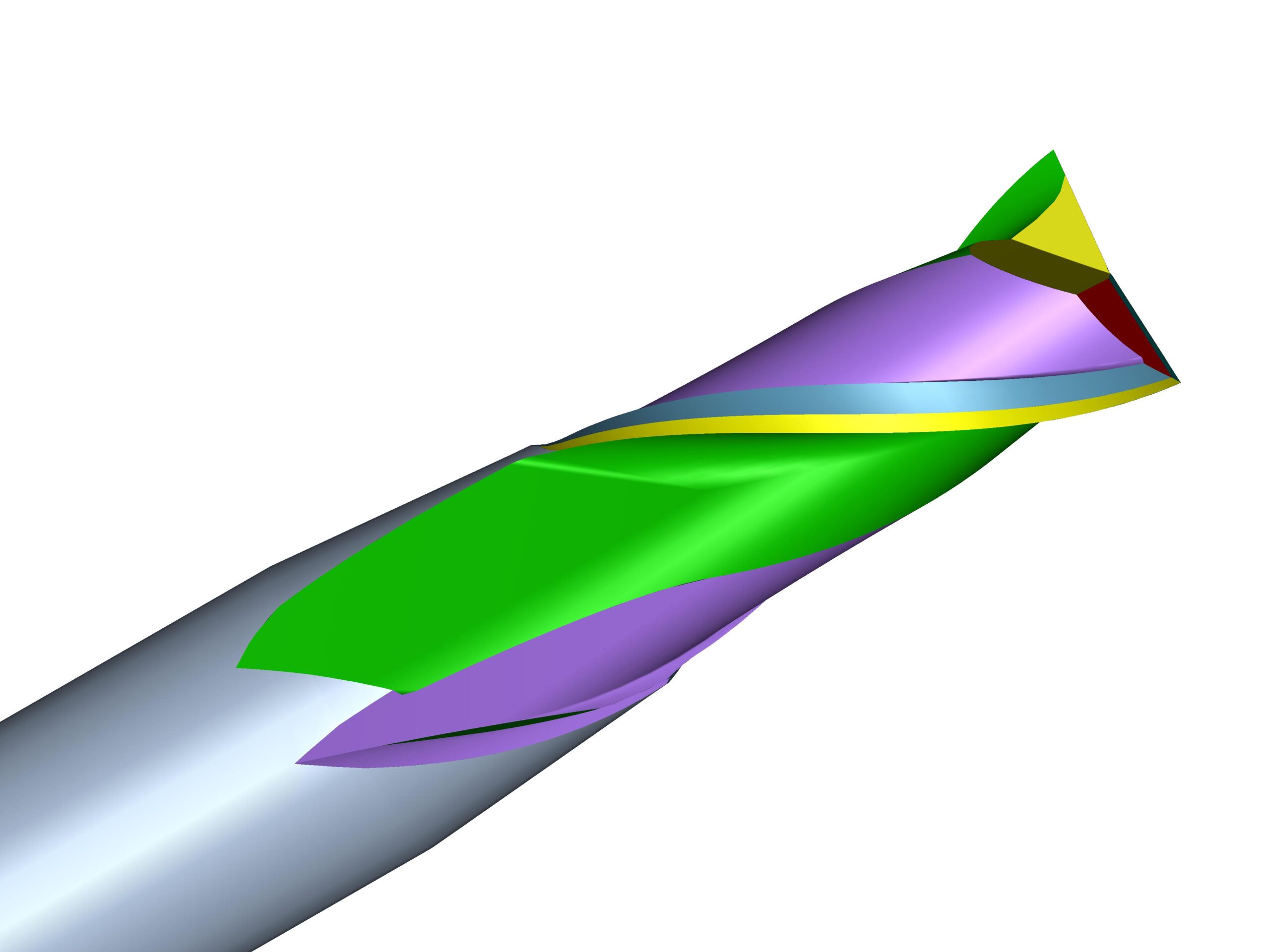
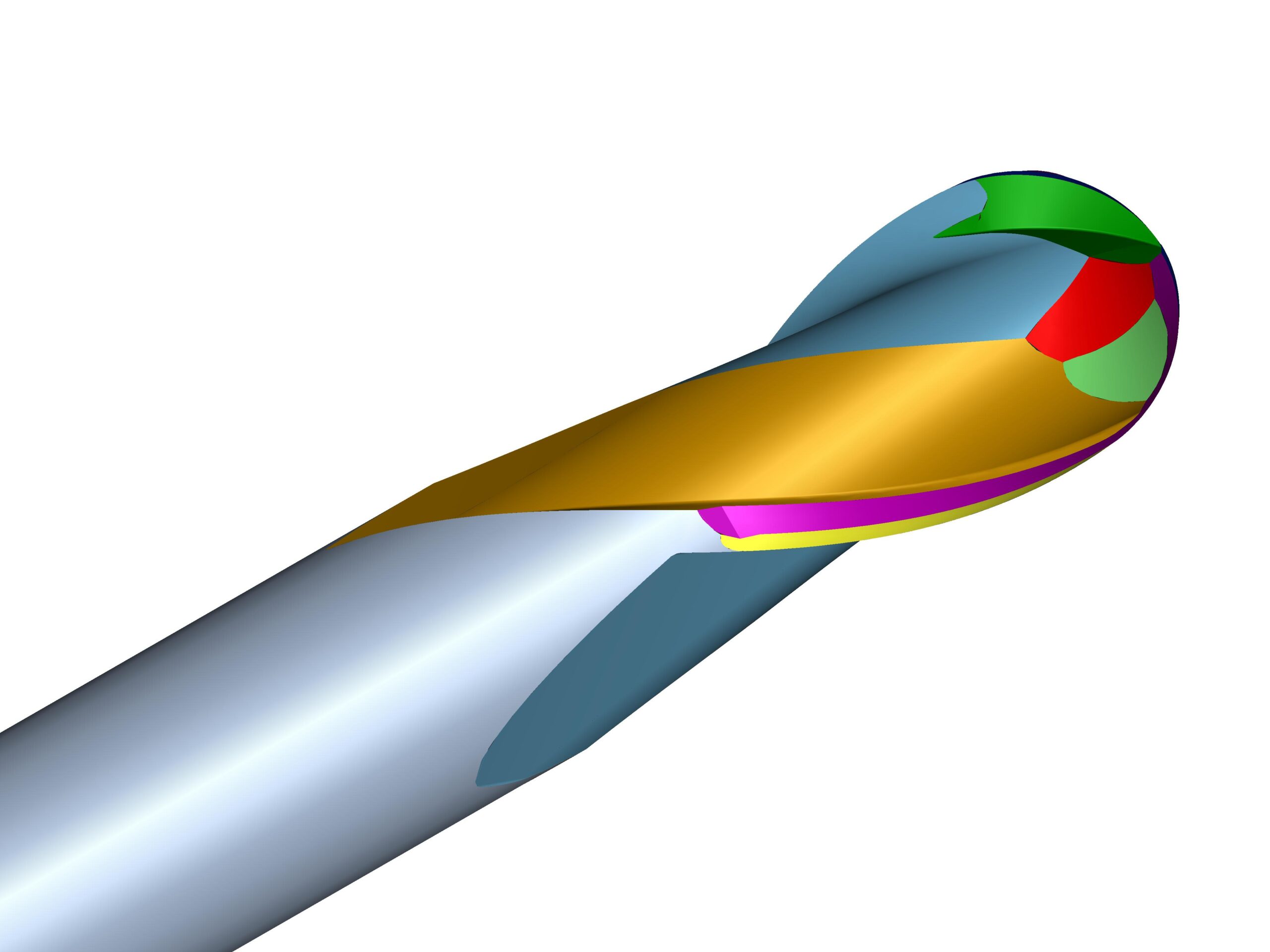
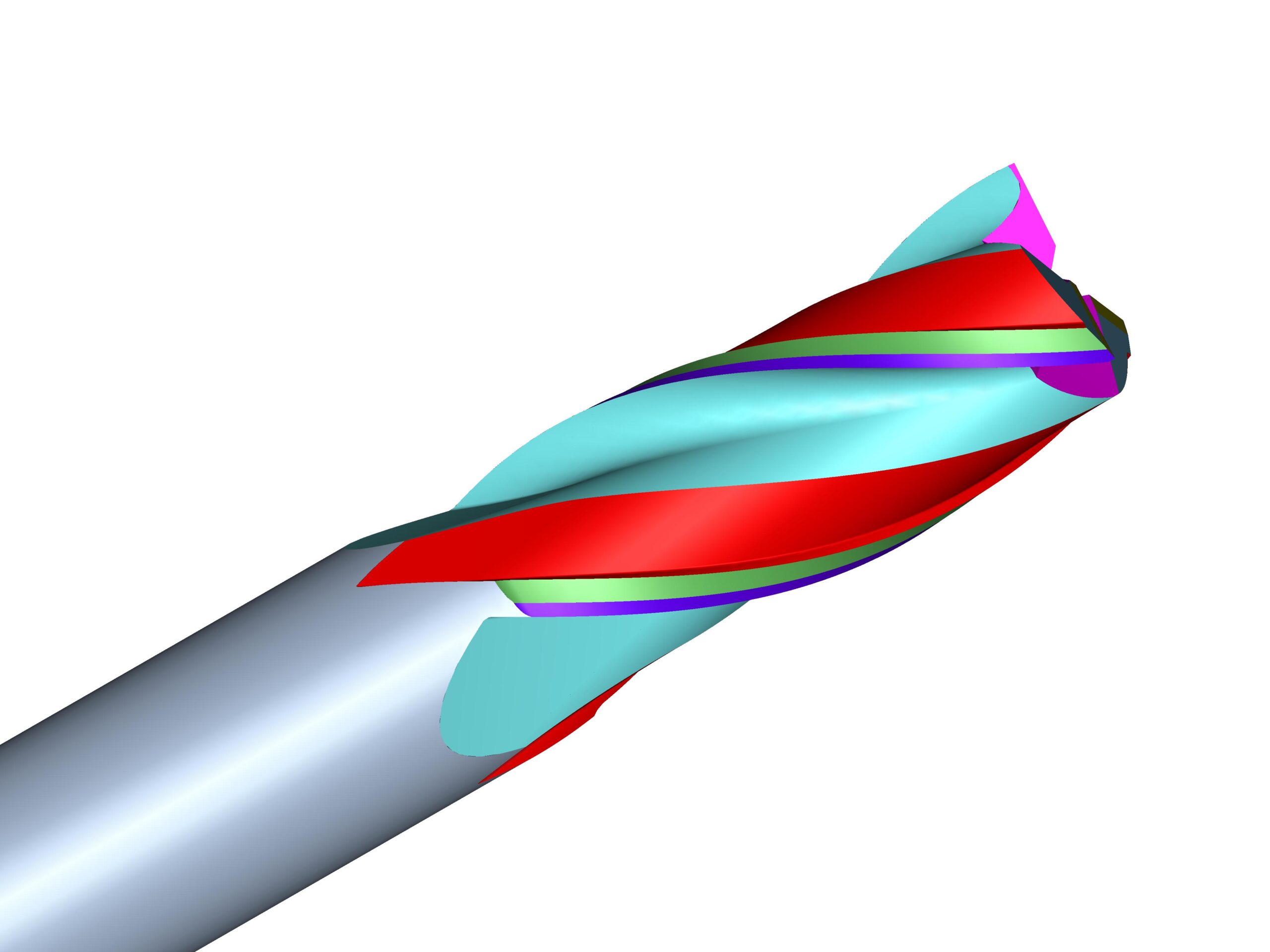
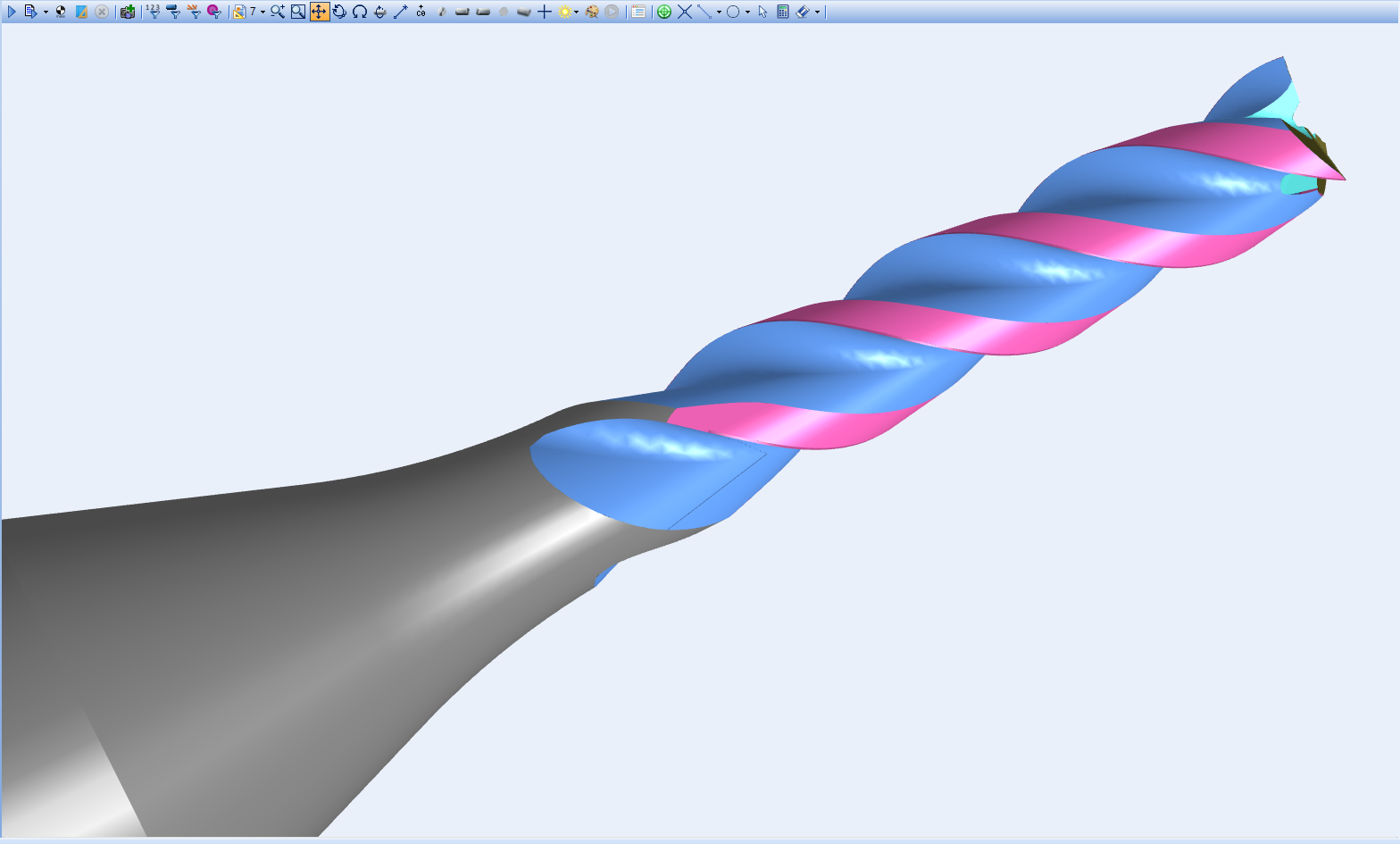
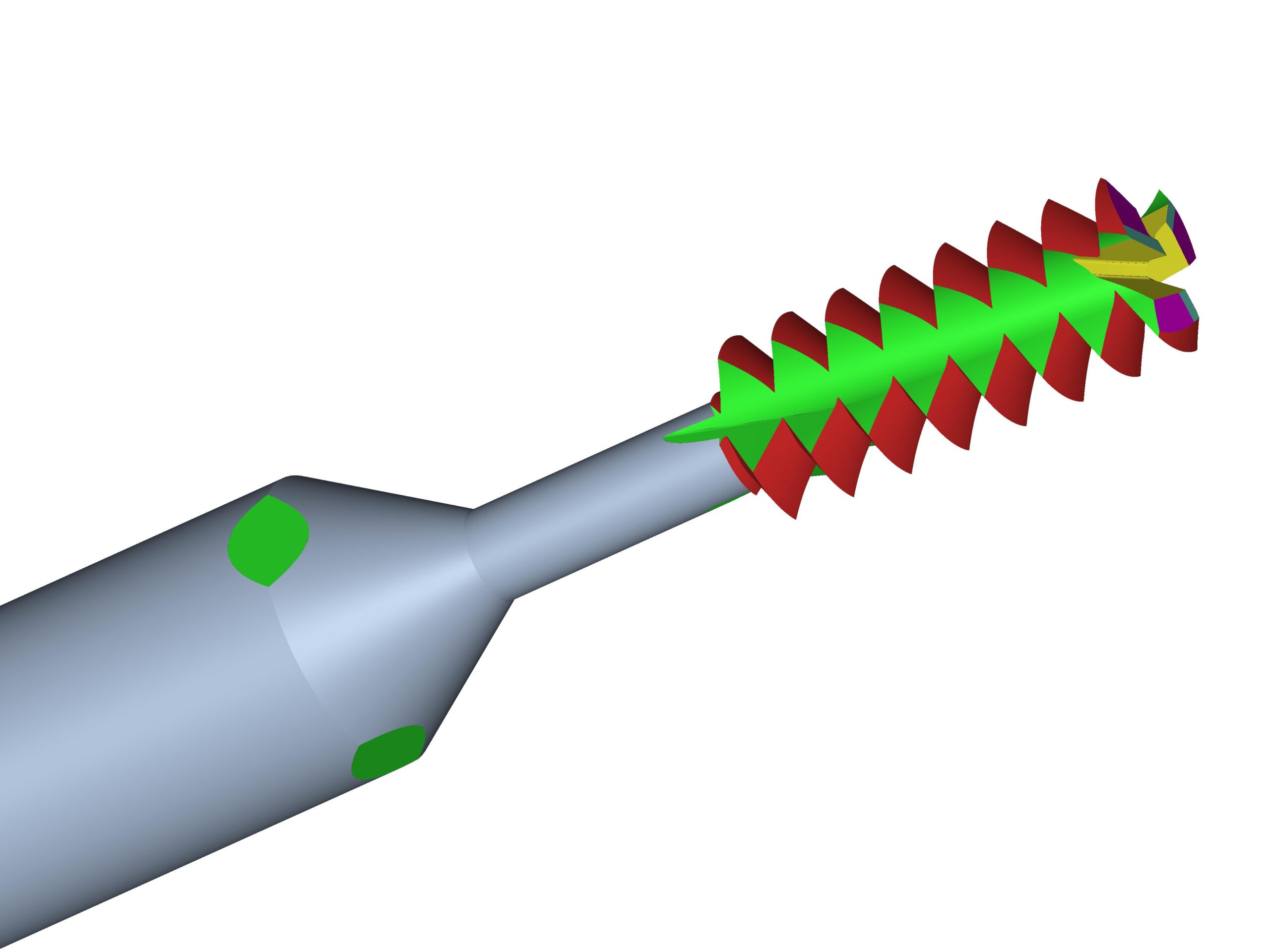
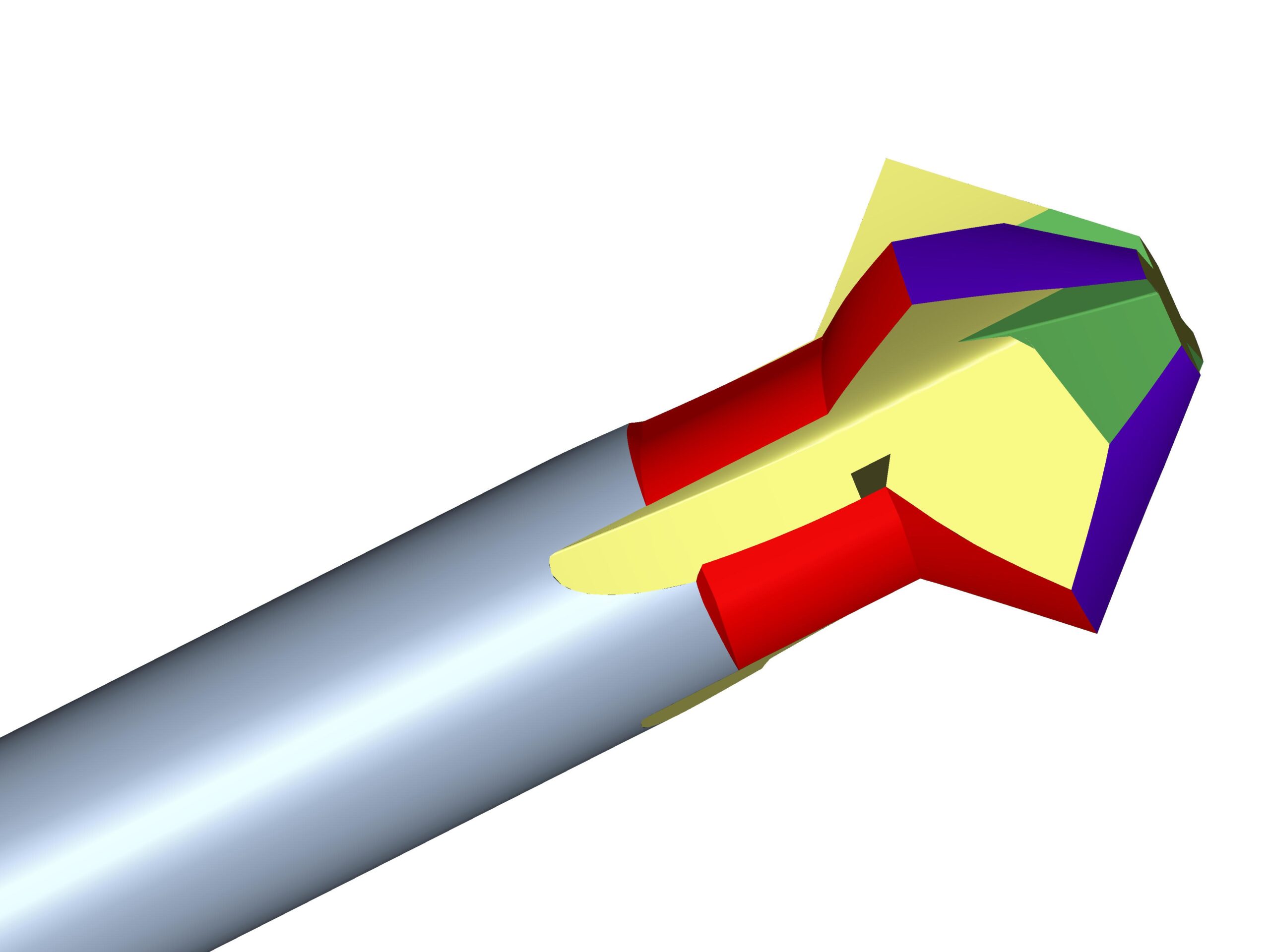
- Cutters for metalworking, synthetic materials for creating fine and complex details.
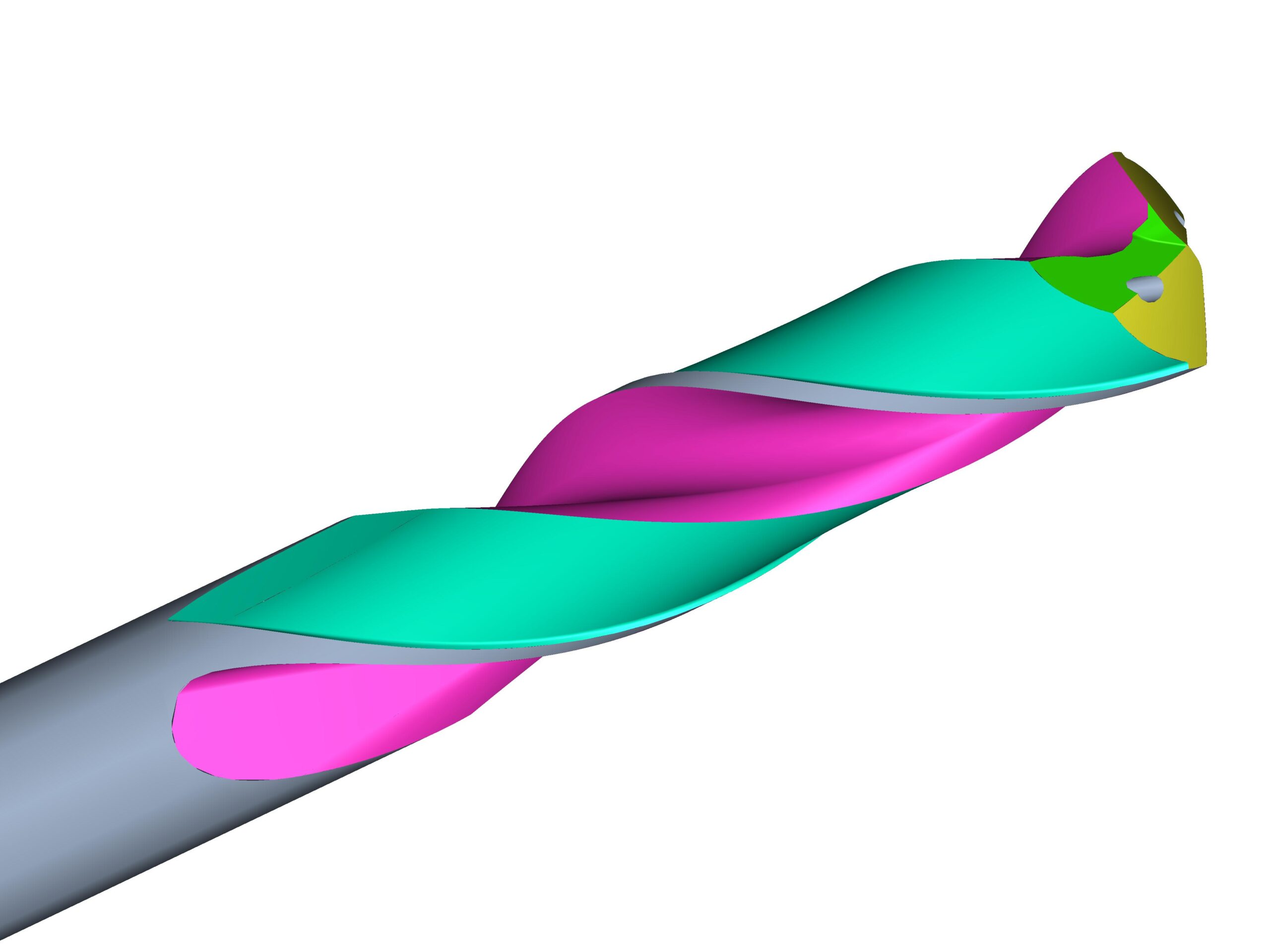
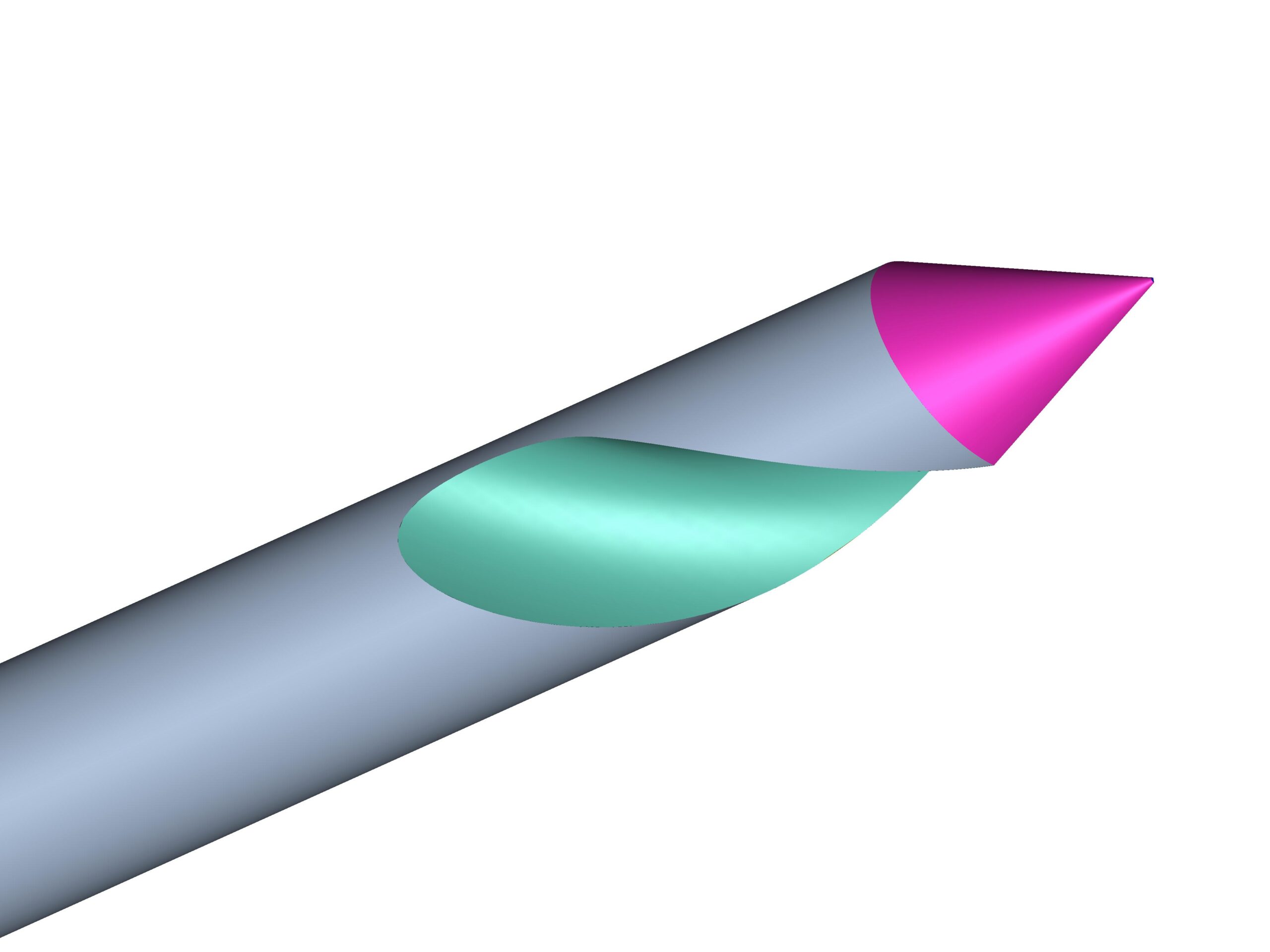
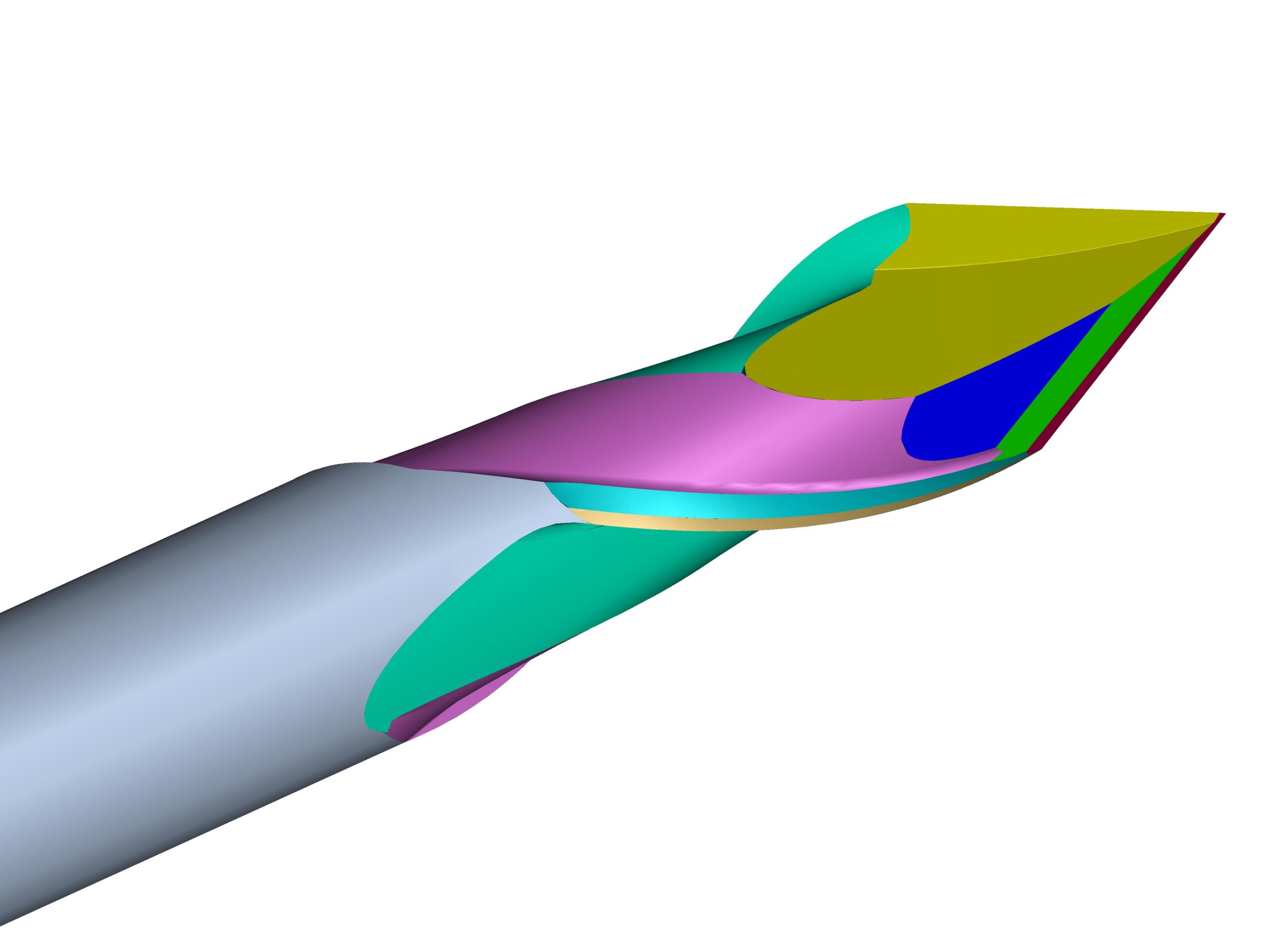
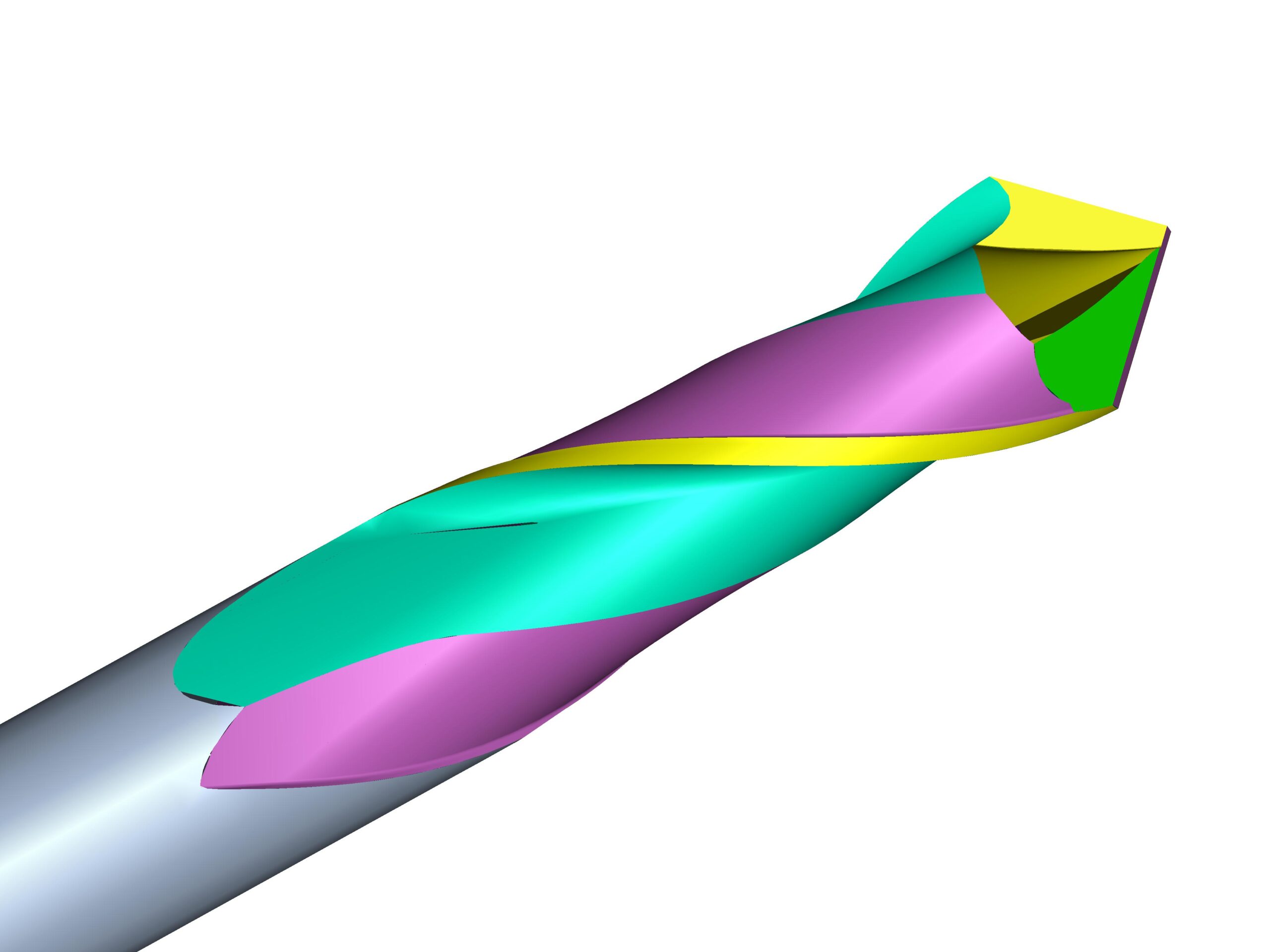
- Tips for drilling
- Tools For manufacturing distinctive, high-quality components for handbags, footwear and accessories
Custom Tools
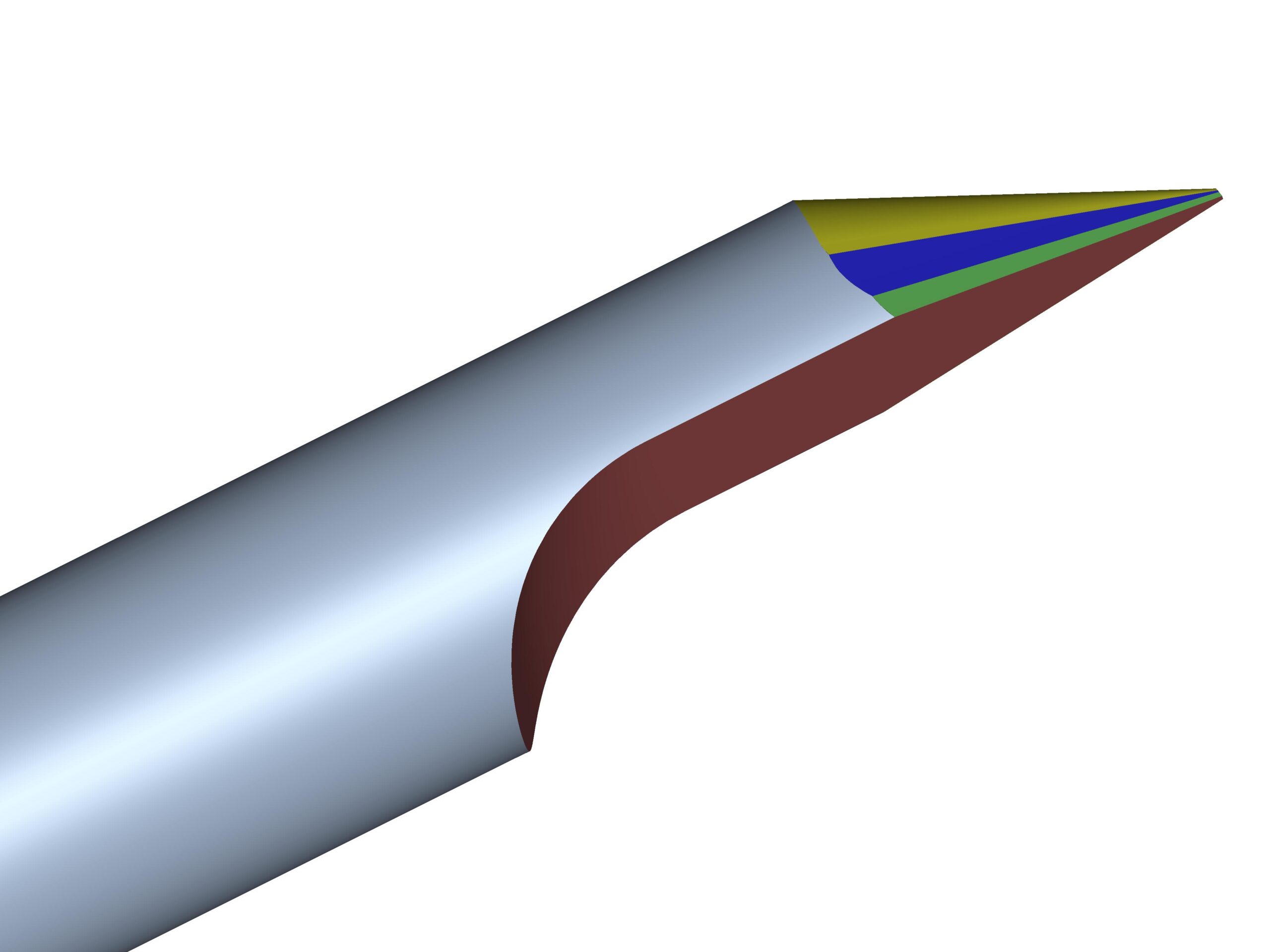
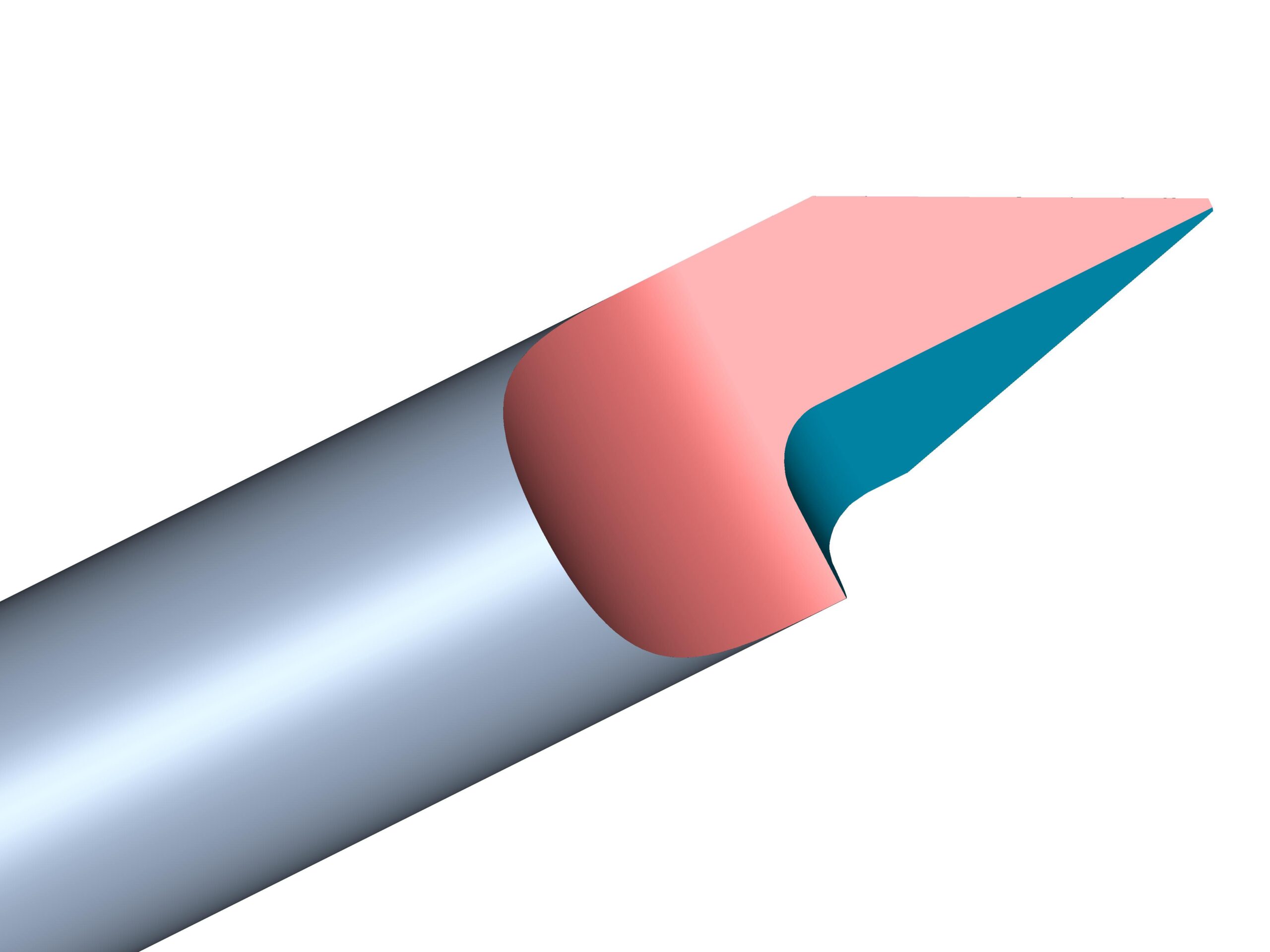
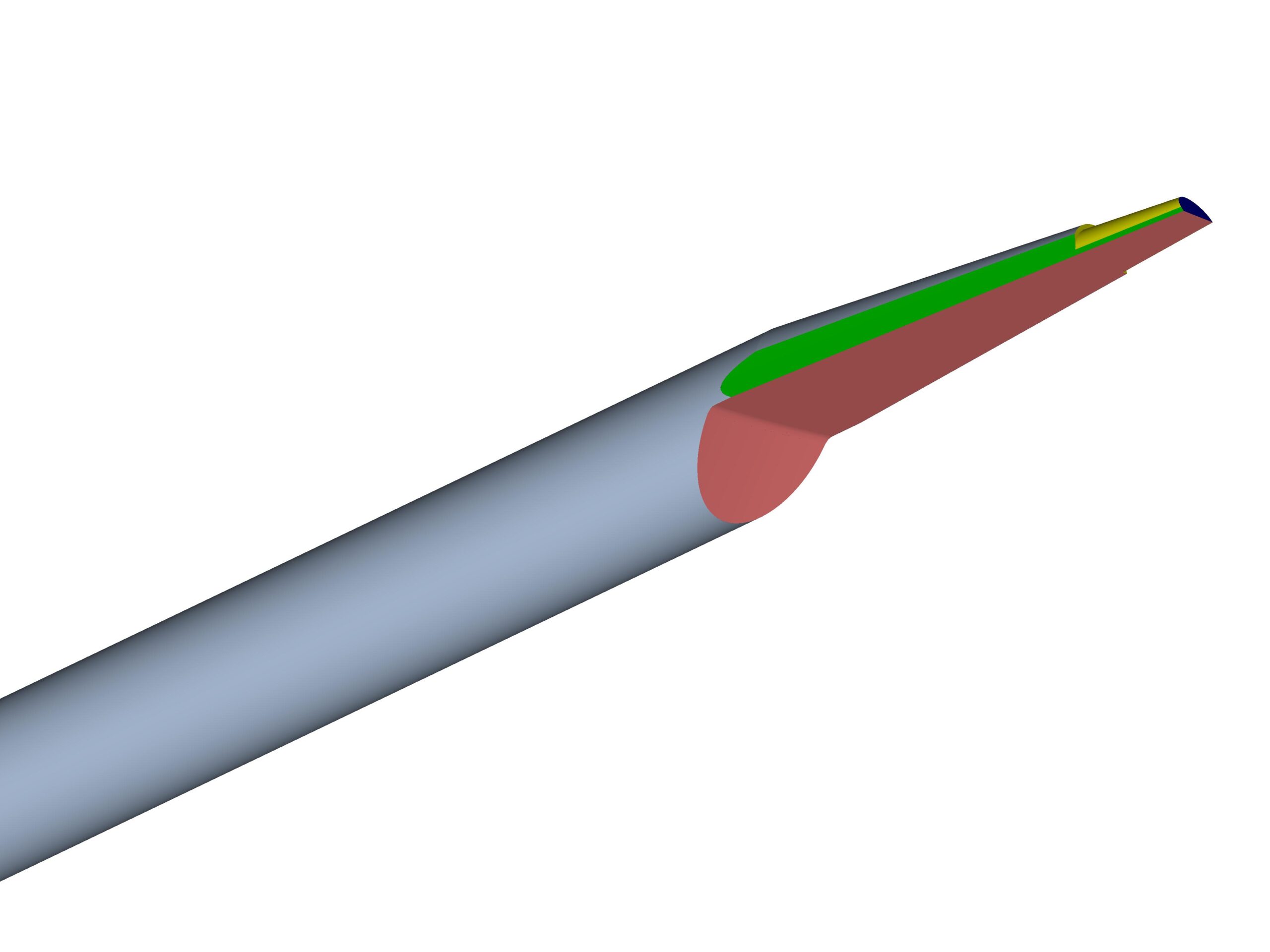
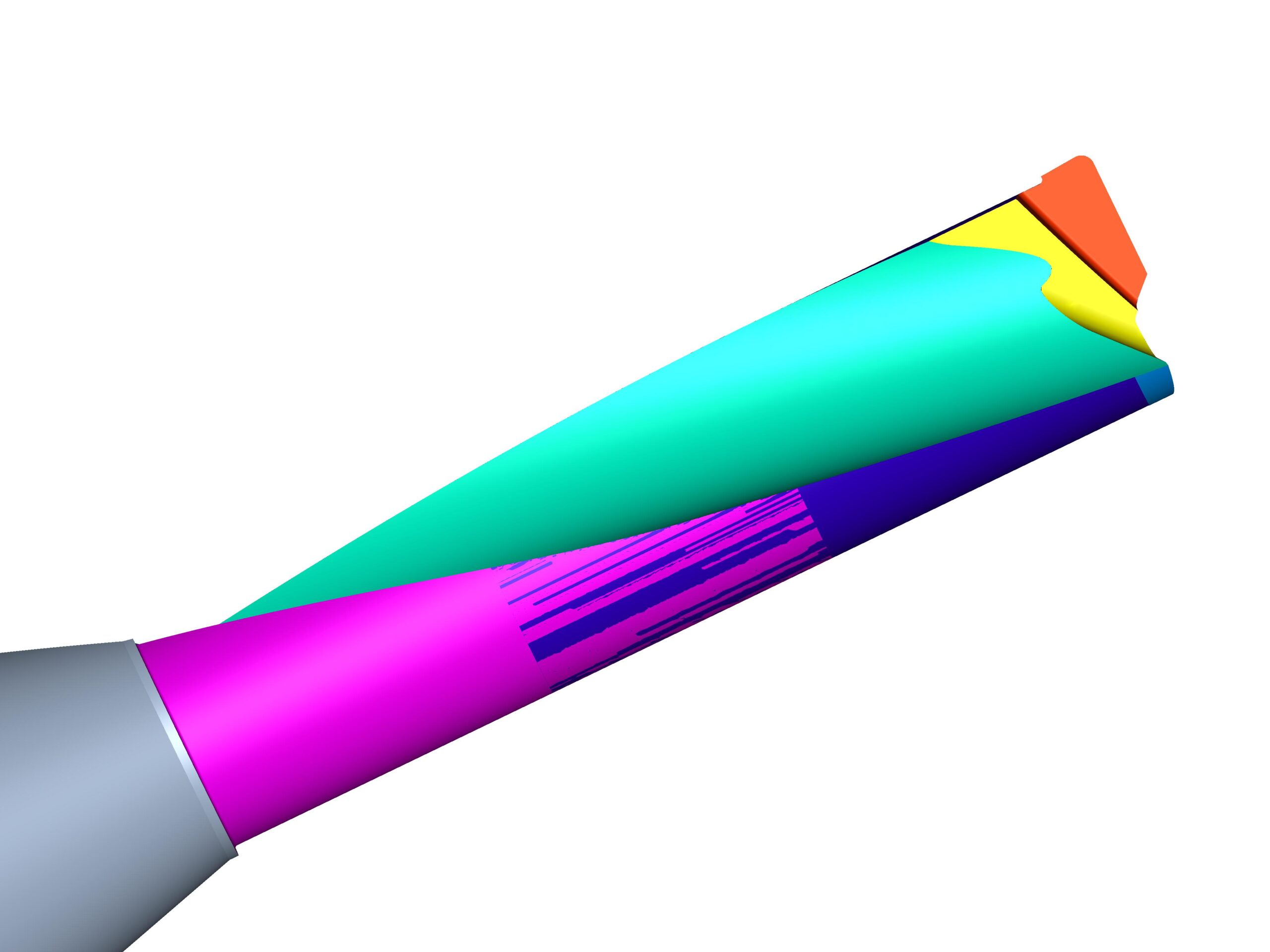
-Customization of Tools, Geometries, and Coatings
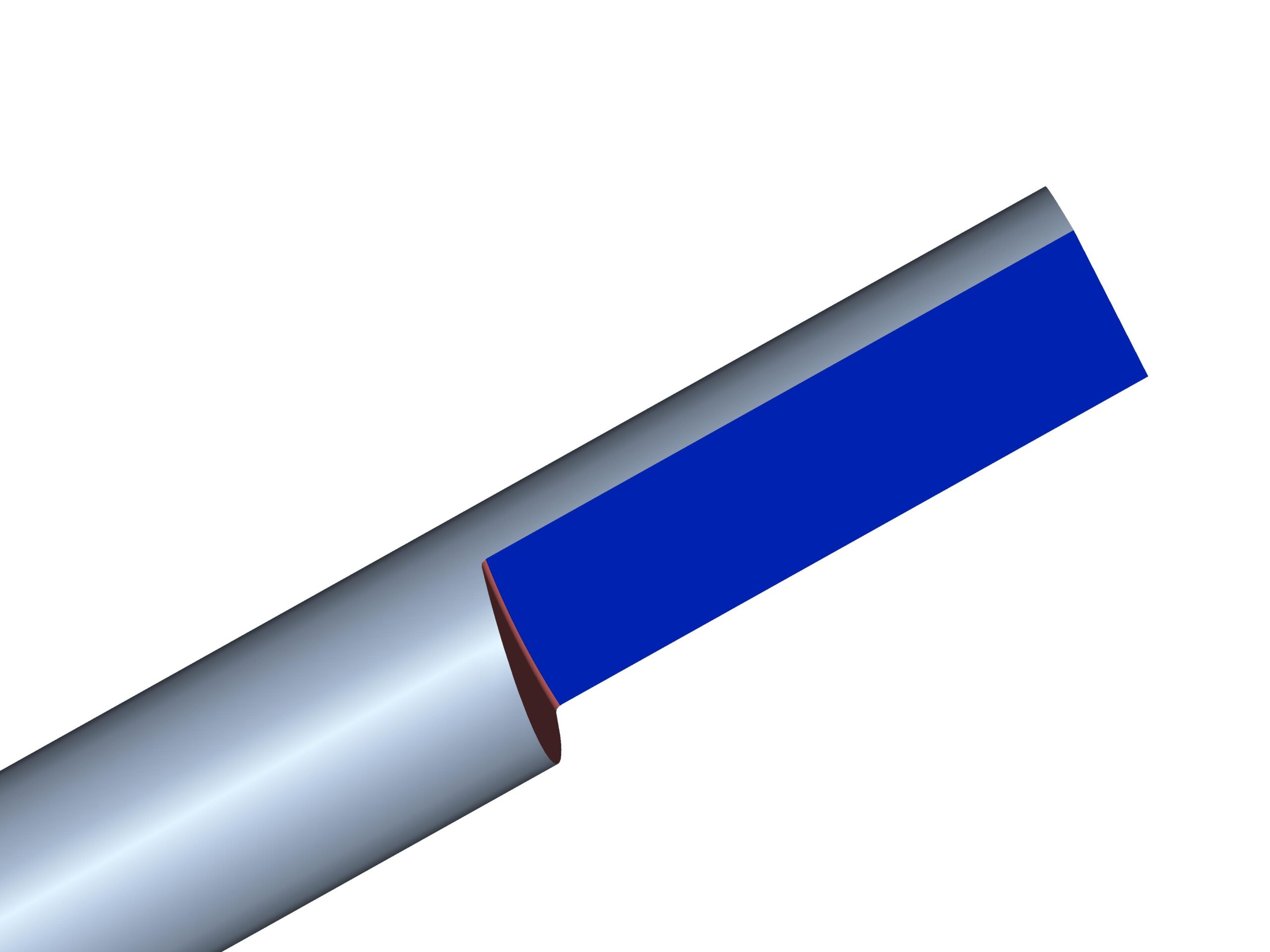
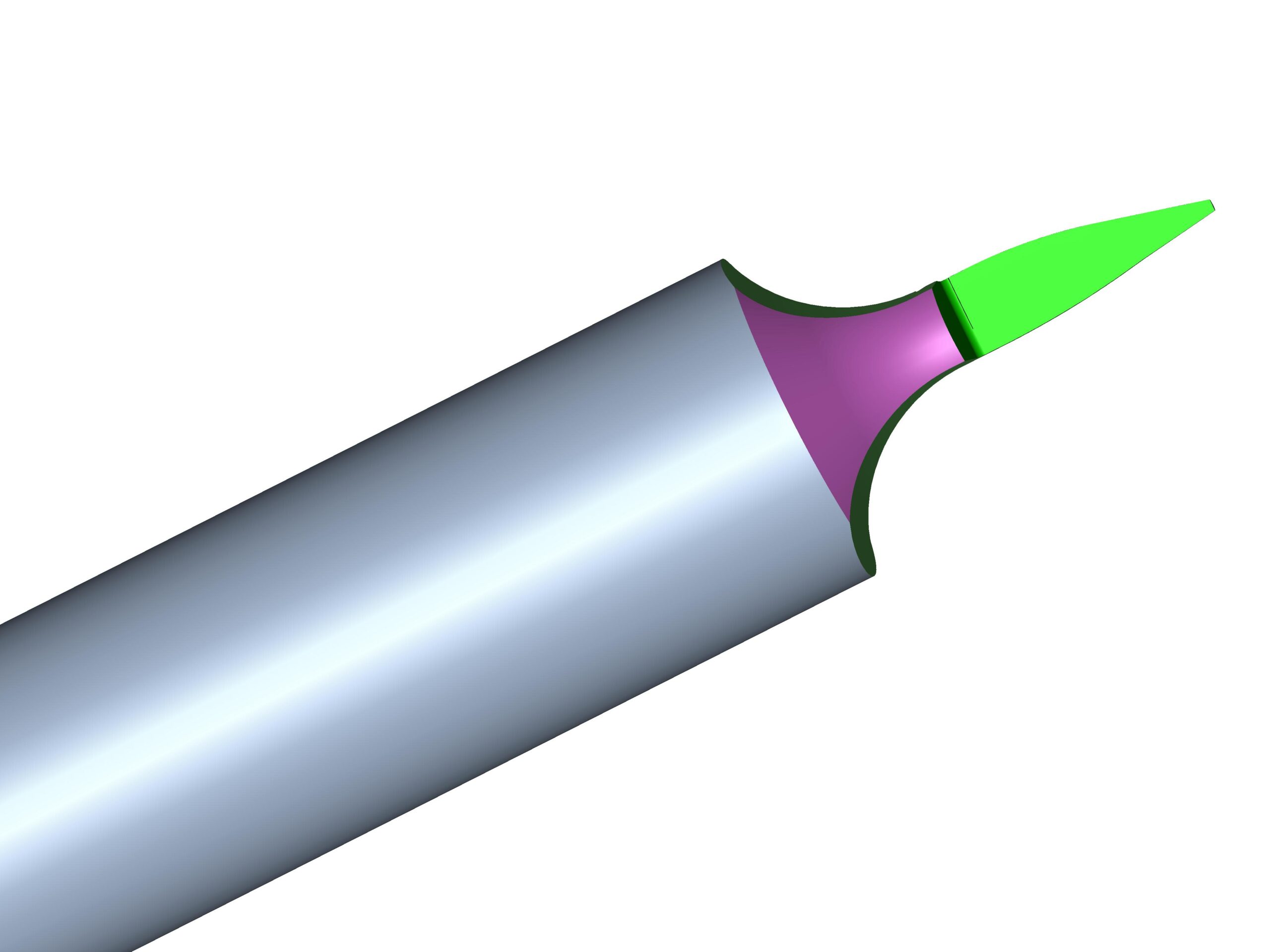
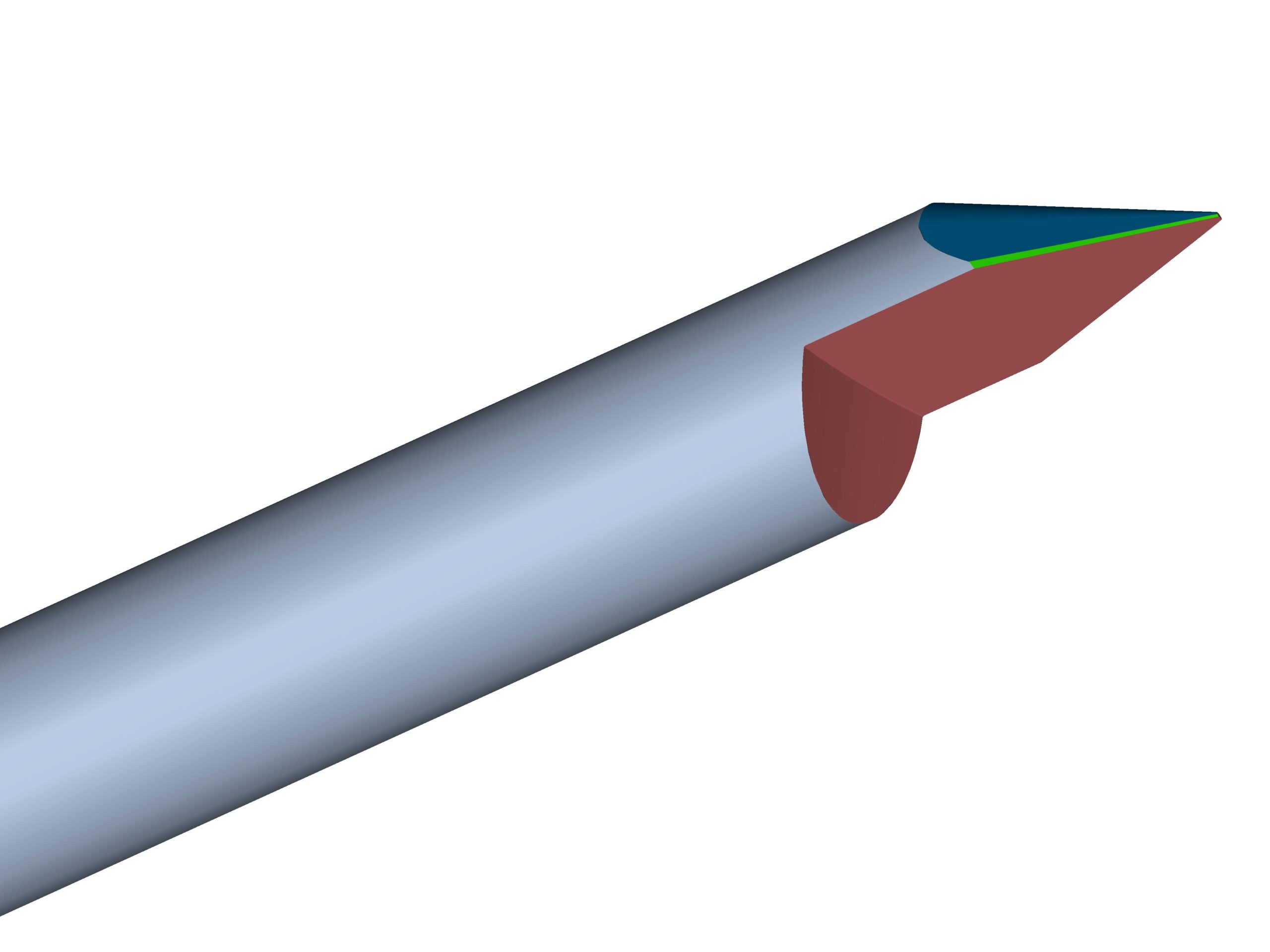
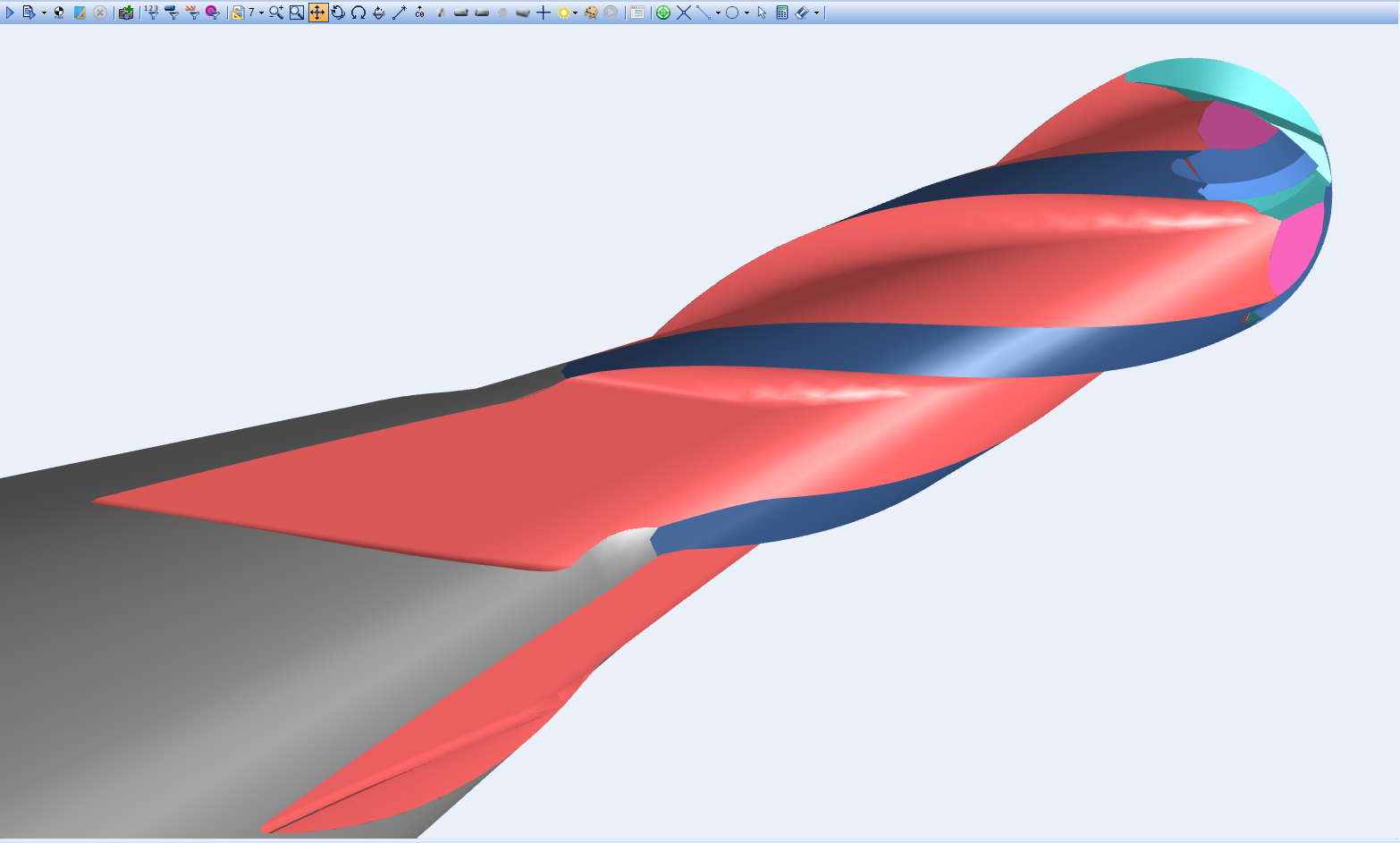
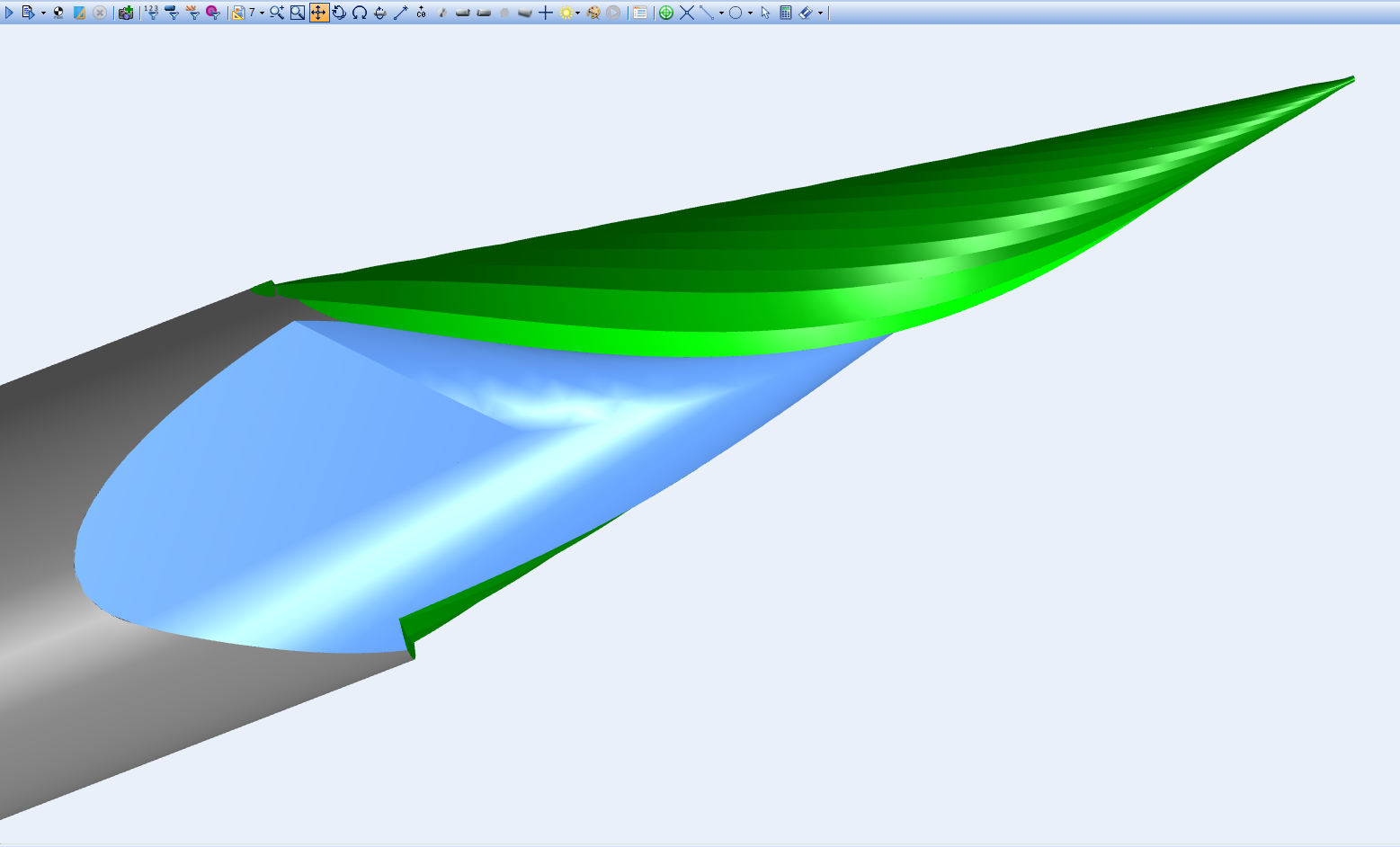
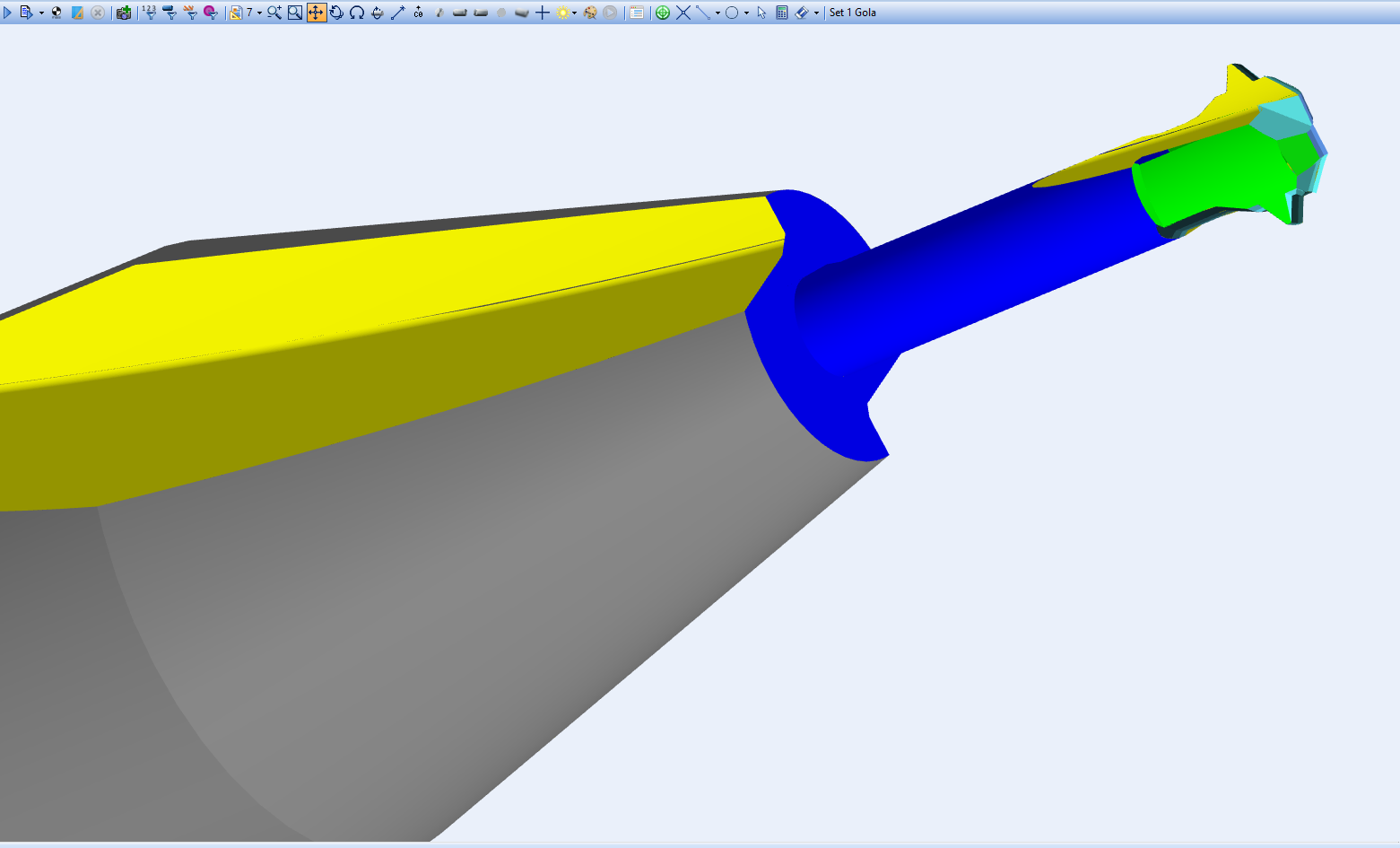
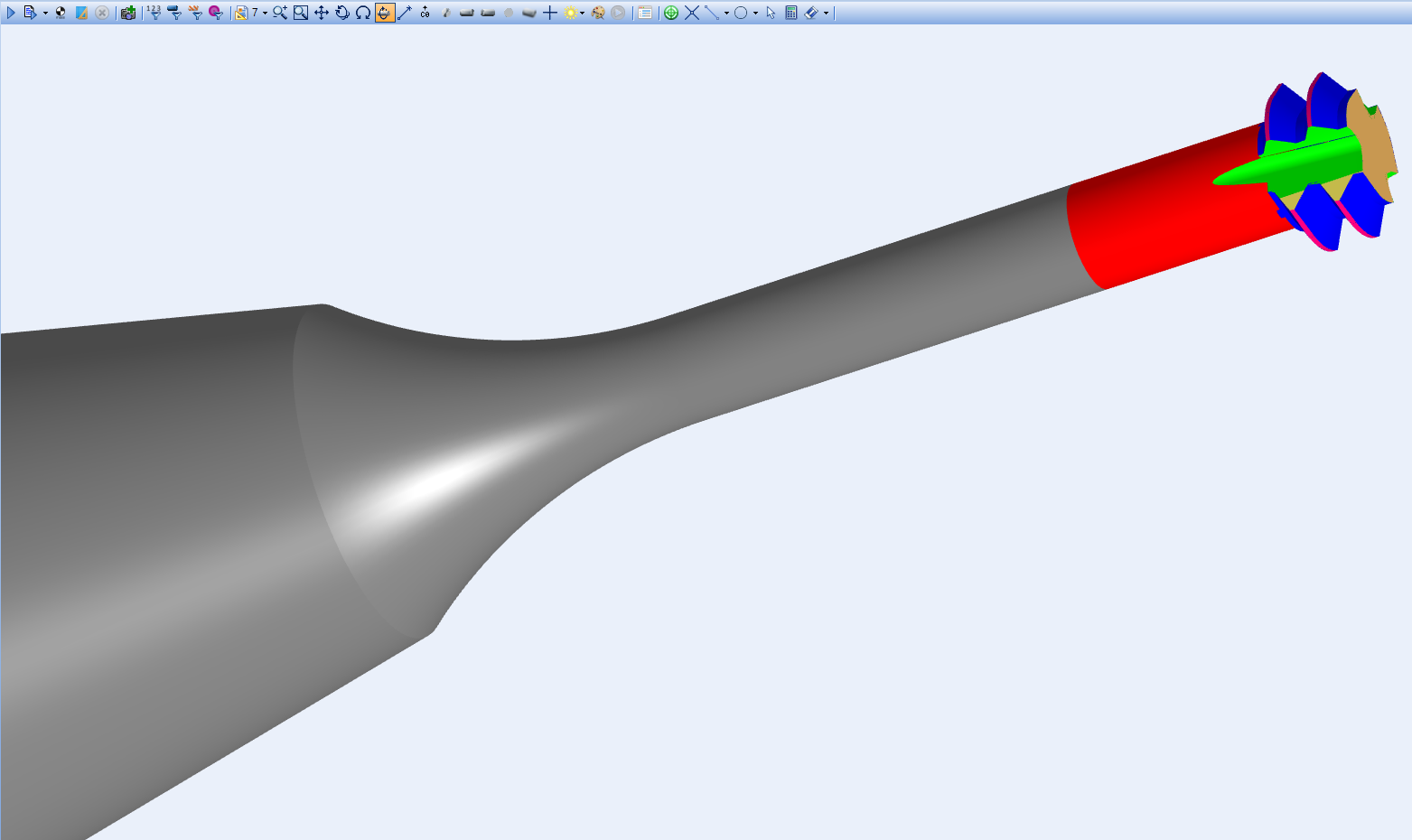
In addition to our standard range of tools, we are committed to offering customized solutions to meet the unique needs of the fashion accessories industry. Our customization includes the bespoke design of tools to perfectly suit specific production requirements. We use special materials and coatings to ensure the highest quality and precision of our tools. Our industry expertise allows us to develop tools that stand out for their unique and innovative design, contributing to the success and competitiveness of fashion collections.

FAQ
The production of fashion accessories requires tools capable of combining precision, high-quality finishes, and repeatability, especially when machining small components or those with complex geometries.
Nuova Cumet offers end mills, micro-end mills, drills, and carbide tools for precision machining of metals and synthetic materials used in the production of components for handbags, footwear, and other fashion accessories.
When the component’s geometry or the manufacturing process requires it, MyCarbide also enables the development of special tools designed specifically for individual applications.
The quality of the finish depends on a combination of the material being machined, the tool geometry, the sharpening, the number of cutting edges, the machining parameters, and process stability.
In fashion accessories, the finish is particularly important because many components remain visible in the final product and may subsequently be polished, treated, or coated.
Using tools designed for precision machining reduces machining marks, vibrations, and the need for subsequent finishing operations.
Each material requires specific geometries and cutting conditions.
For steel and stainless steel, cutting edge stability and wear resistance are important. For aluminum and copper alloys, on the other hand, sharpness, chip evacuation, and friction reduction are particularly important. When machining plastics, it is necessary to achieve a clean cut while minimizing deformation and overheating.
Nuova Cumet offers tools for different material families and can develop custom solutions when machining requires geometries or performance characteristics that cannot be achieved with a standard tool.
Buckles, fasteners, metal hardware for bags, and footwear components may require milling, drilling, profiling, countersinking, and finishing operations.
The choice of tool depends on the material, the component’s dimensions, the complexity of its shape, and the required surface quality.
For components with unusual shapes or requiring numerous successive machining operations, it may be advantageous to design a special tool capable of performing multiple functions or directly reproducing a specific geometry.
The production of small parts requires tools with small diameters, high geometric precision, and good stability during machining.
Micro-milling cutters and special tools allow for the creation of grooves, profiles, cavities, decorative details, and other complex geometries while maintaining high precision.
The tool geometry can be designed based on the part to be produced, the material, and the characteristics of the machine tool being used.
Burrs can increase finishing time and affect the aesthetic quality of the component.
To minimize them, it is important to use properly sharpened tools, geometries suited to the material, and cutting parameters consistent with the process.
Tool stability and proper chip evacuation also contribute to cleaner edges and better surface quality, reducing the need for subsequent manual operations.
A special tool can be advantageous when a component has a complex geometry, when particularly tight tolerances are required, or when multiple machining operations can be combined into a single operation.
It can also be useful when a standard tool produces too much burr, requires numerous tool changes, or fails to deliver the desired surface quality.
With MyCarbide, Nuova Cumet can develop custom tools tailored to the component’s geometry and the customer’s manufacturing process.
The choice of milling cutter depends primarily on the material, the shape of the component, and the type of machining.
Conventional milling cutters, micro-milling cutters, aluminum milling cutters, milling cutters for specific materials, and milling cutters with custom geometries can be used.
For particularly complex shapes, form cutters can also be designed to reproduce a specific geometry directly during machining.
When selecting a micro-milling cutter, you must consider the diameter, machining depth, material, rigidity of the machine-tool system, and required surface finish.
With very small diameters, tool precision, proper chip evacuation, and control of machining parameters become particularly important.
For particularly complex production runs, it is possible to develop geometries tailored to the specific application.
Tool life depends on the quality of the cemented carbide, the geometry, the coating, the cutting parameters, and the machining conditions.
In mass production, it is important to maintain consistent cutting edge performance to ensure uniformity among the manufactured components.
A geometry specifically designed for the material and the process can help reduce wear, increase machining stability, and decrease the frequency of tool changes.
The coating should be selected based on the material to be machined, the cutting speed, the temperature generated, and the type of finish required.
A suitable coating can help reduce friction and wear and increase the tool’s service life.
When designing a special-purpose tool, Nuova Cumet works with the customer to determine the most appropriate geometry, tool material, and coating for the intended machining operation.
Yes. A properly designed tool improves the repeatability of the machining process and makes it easier to maintain the required dimensional and surface characteristics.
In mass production, even a small reduction in waste can have a significant impact on overall efficiency.
Special tools can be designed specifically to increase process stability and reduce variations between components.
In certain applications, yes.
A special tool can incorporate multiple geometries or functions, allowing various machining steps to be performed without multiple tool changes.
This solution can reduce cycle times, tool movements, and potential repositioning errors, making it particularly attractive for the mass production of components for the fashion industry.
Yes. Using MyCarbide, you can design special tools based on the characteristics of the component and the manufacturing process.
Customization can include dimensions, profile, number of cutting edges, sharpening geometry, working lengths, cooling, and coating.
The goal is to develop a tool that is consistent with the material, the component’s shape, the machine used, and the required production results.
When designing a special tool, it is helpful to have as much information as possible about the machining process.
Specifically:
- design or model of the component;
- material to be processed;
- operation to be performed;
- used machine tool;
- diameters and machining depths;
- required tolerances;
- desired surface quality;
- quantity to be produced;
- parameters currently in use;
- a tool that may have already been used;
- problems encountered during production.
This information allows you to design the tool while taking into account precision, surface quality, tool life, and productivity all at once.
contact us
Information
and support
For any questions, inquiries, or assistance, please feel free to contact us.
You can send an email directly to info@nuovacumet.it or fill out the contact form.
Your request is important to us, and we are here to assist you in the best possible way.