
Energy Sector
With a decades-long commitment to excellence, Nuova C.U.M.E.T. offers solutions tailored to the complex challenges of the energy sector. Our Made in Italy quality and constant research make us reliable partners for critical applications in the energy field.
Benefits of Our Solutions
Insurmountable Accuracy for the Energy Industry.
In the field of energy, where precision and reliability are imperative, our tools are distinguished by excellent performance and high-quality construction.
Key features include:
- Extreme Precision: Designed to ensure extremely precise machining, our tools are critical for critical productions, such as essential components for power plants.
- Materials of Excellence: We employ premium materials and advanced technologies to ensure maximum durability and reliability over time, guaranteeing consistent results.
- Wear Resistance: Our tool range is designed to withstand extreme working conditions in the energy sector, offering reliable performance even in difficult cutting conditions.
- Application Versatility: From milling to drilling to machining heat-resistant materials, our tools are designed to meet a wide range of applications in the energy sector, ensuring flexibility and precision at every stage of production.
Mainly used Tools:
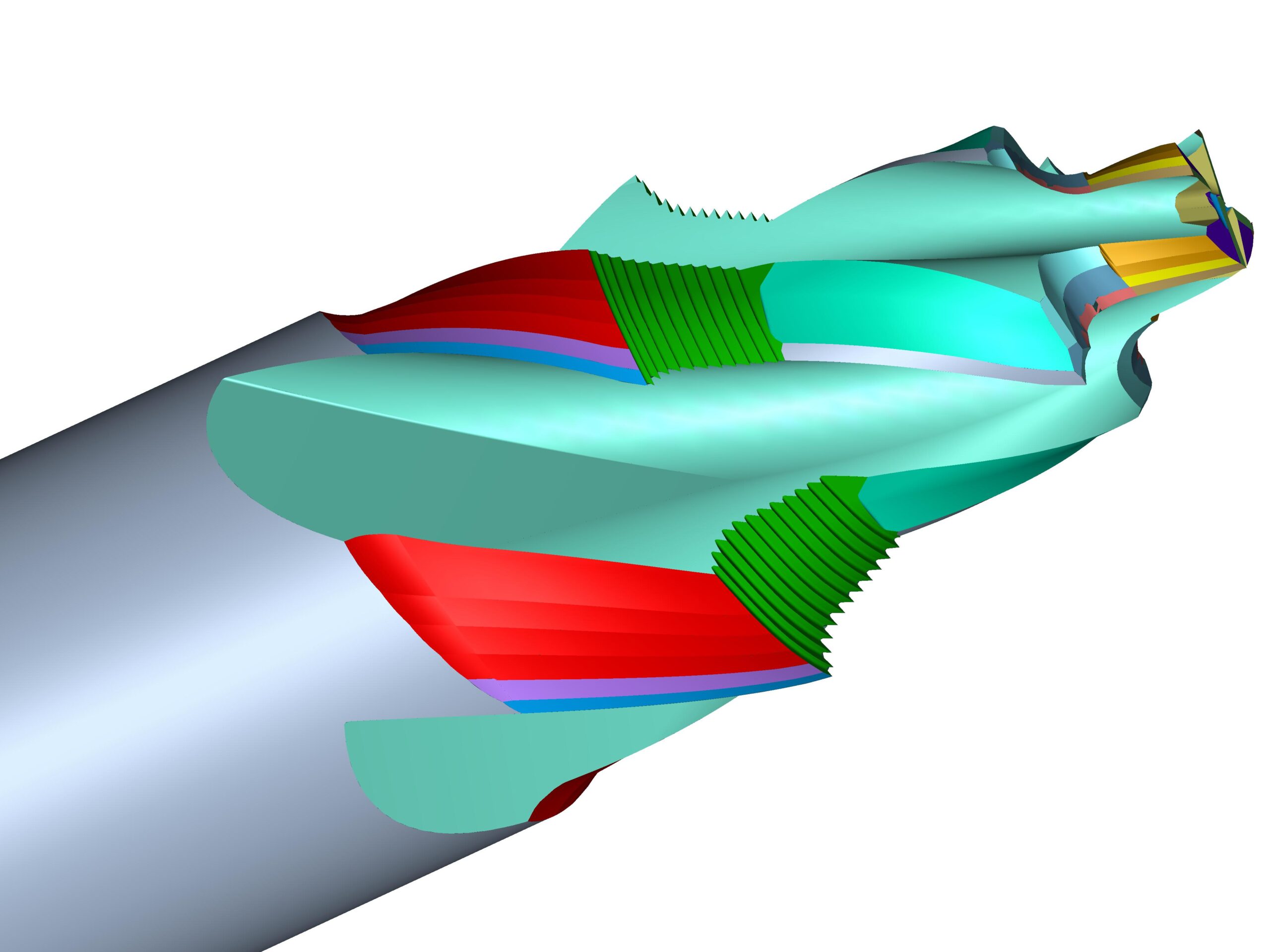
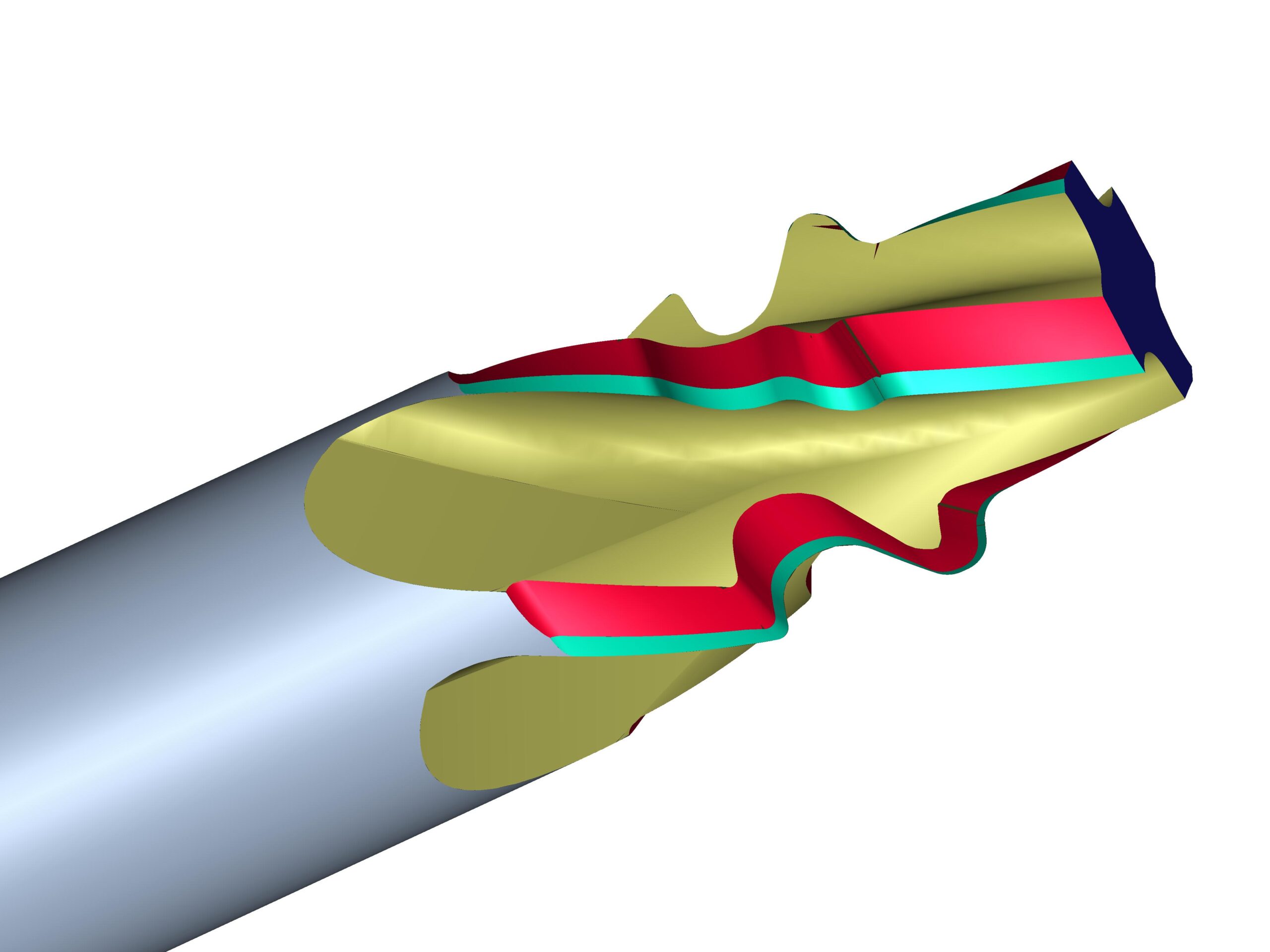
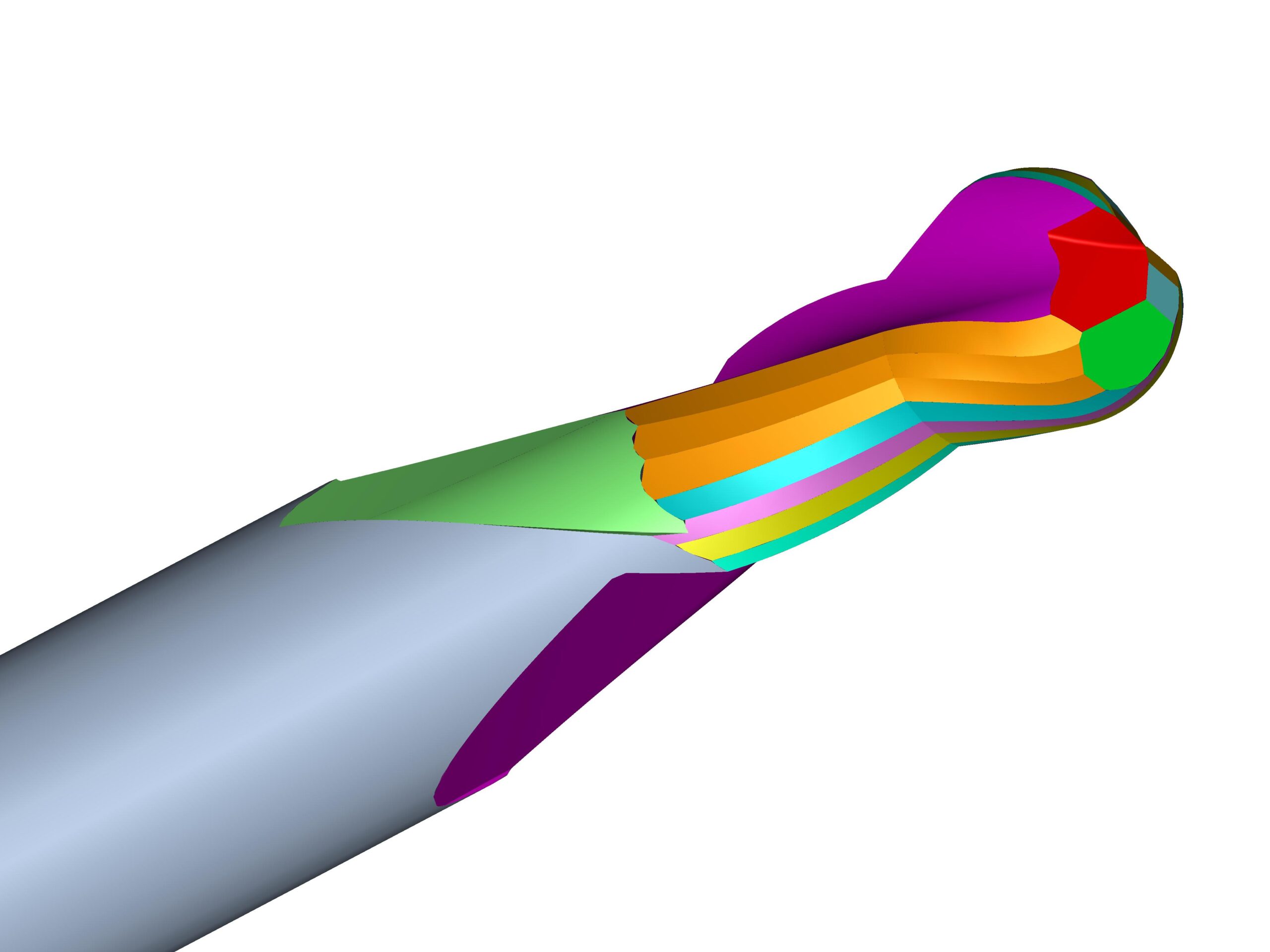
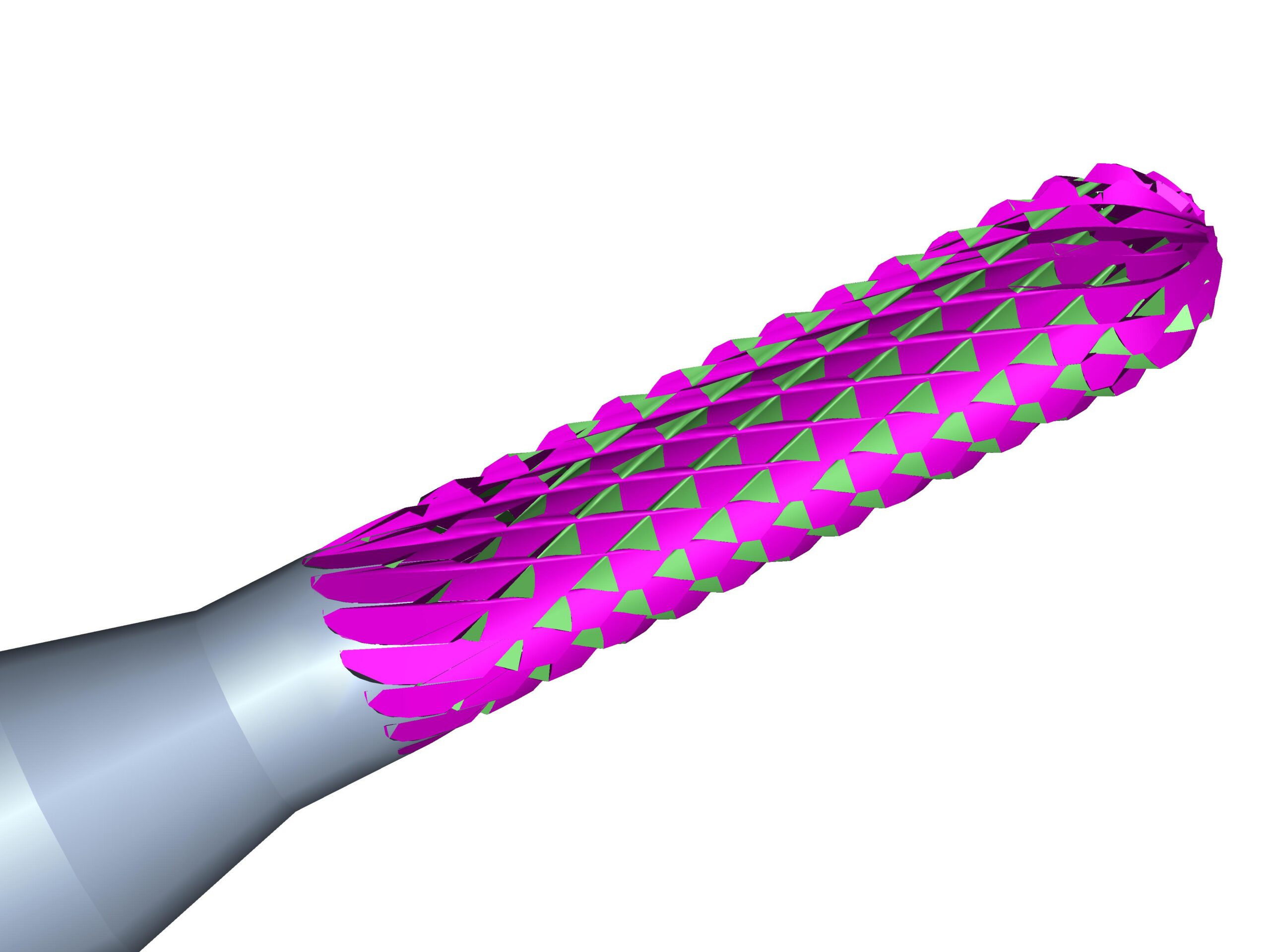
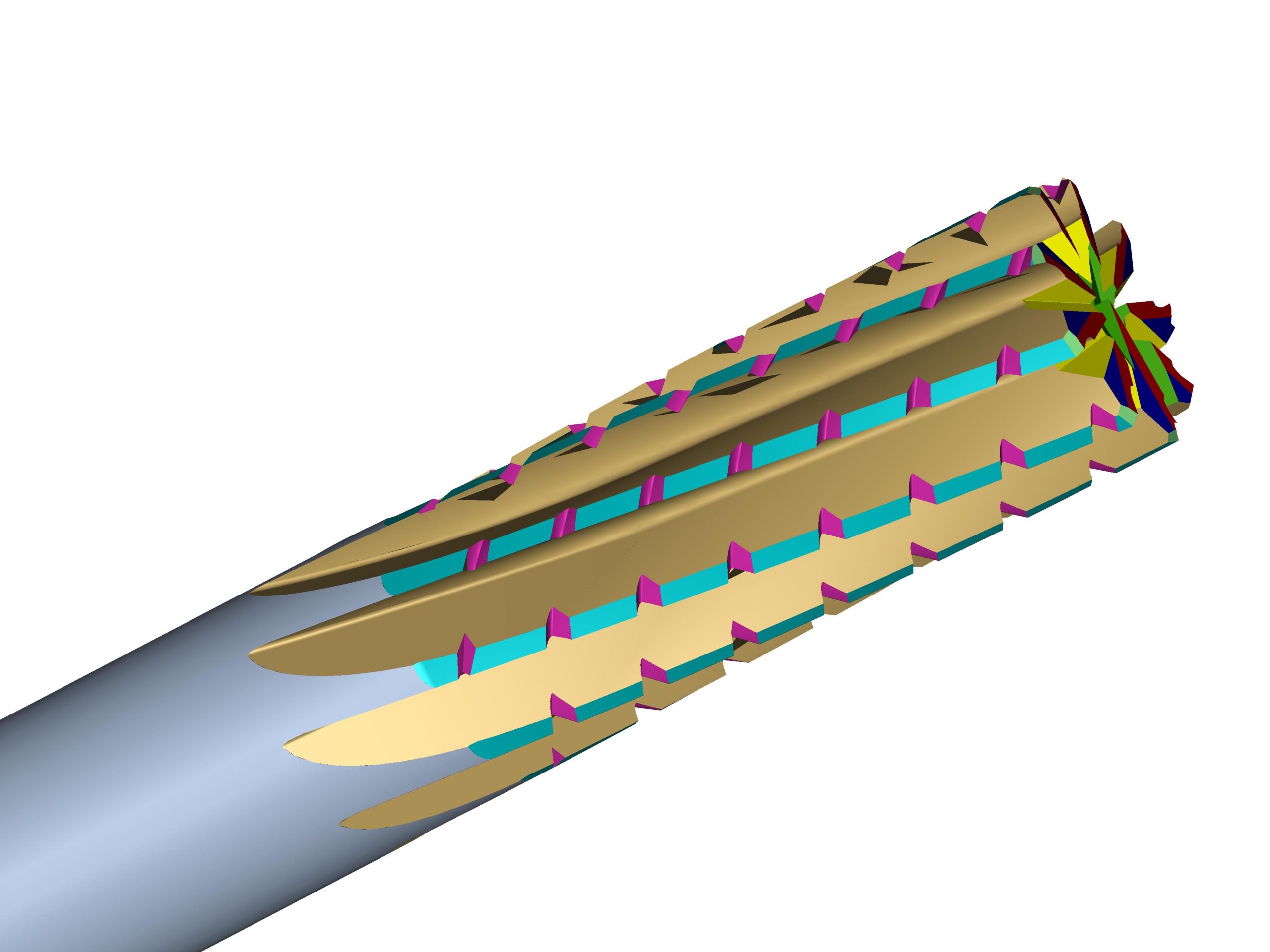
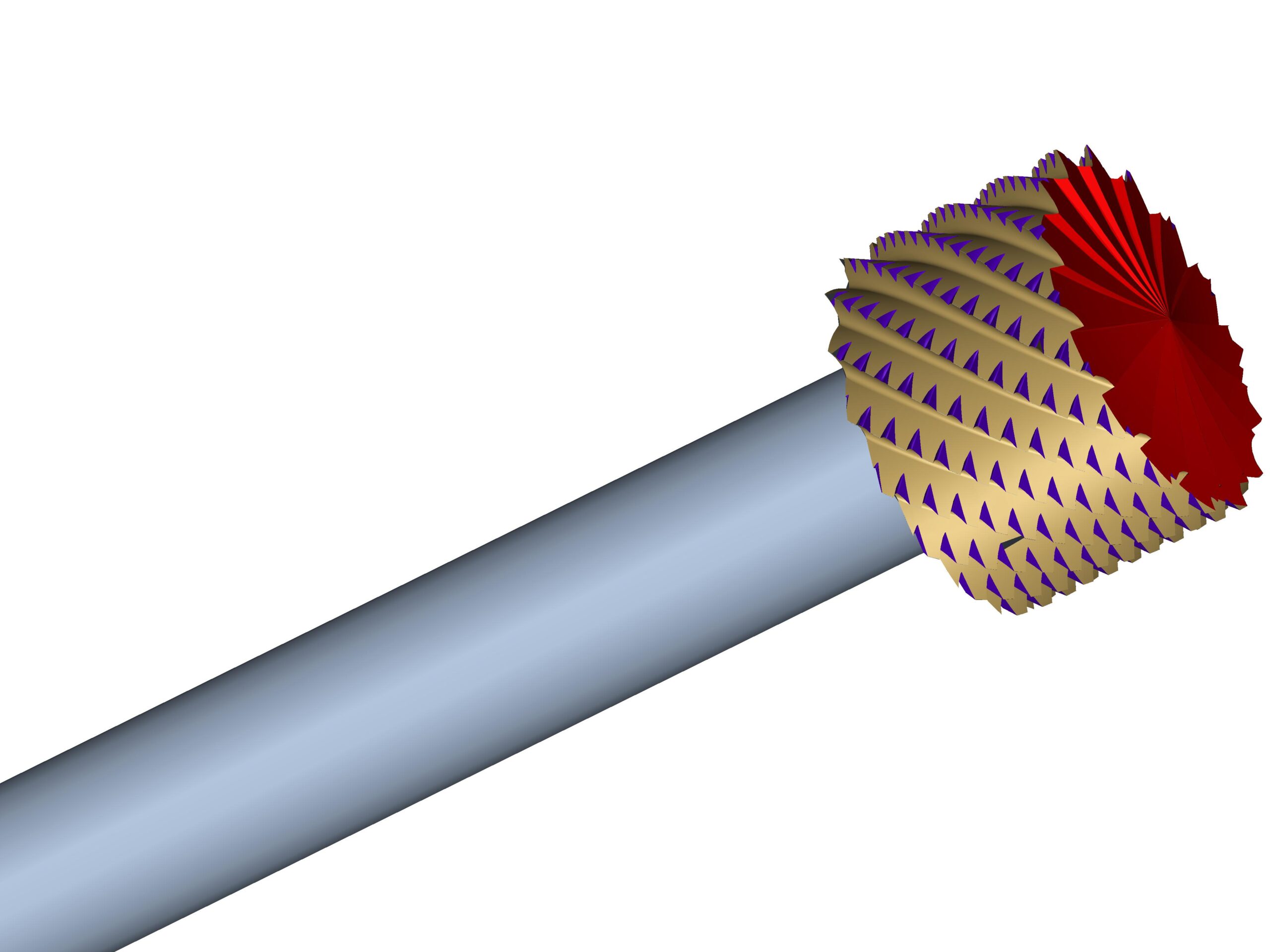
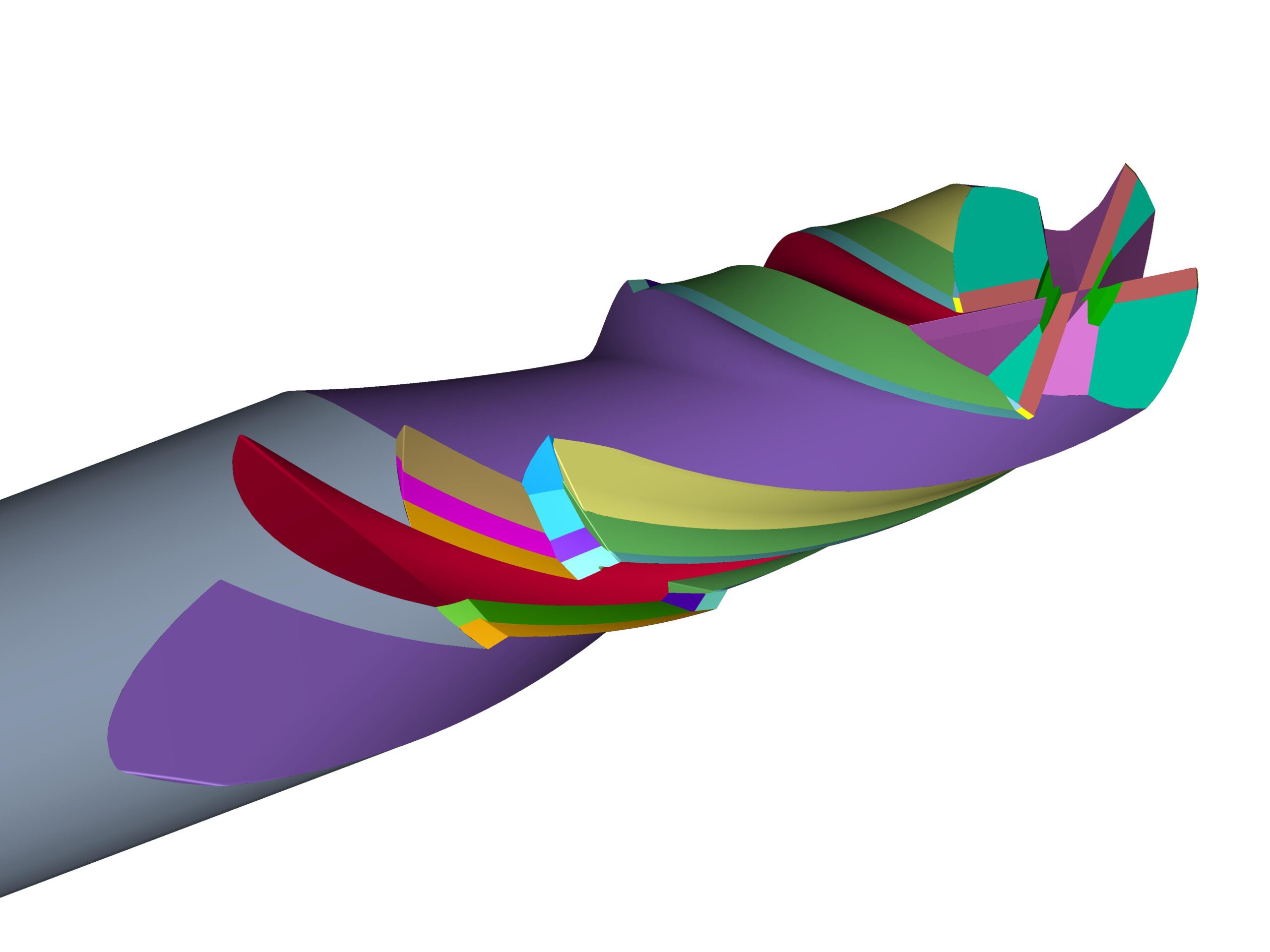
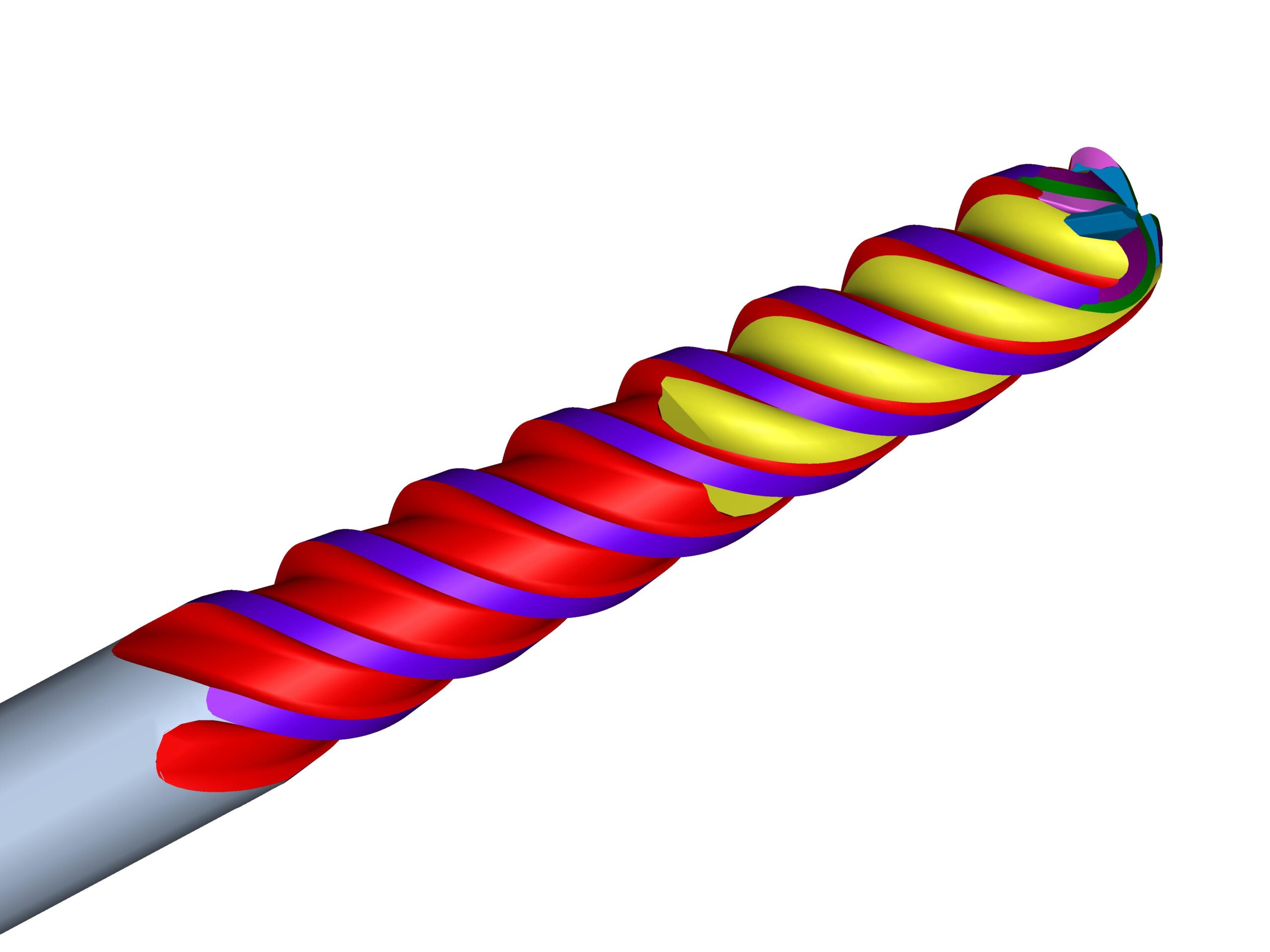
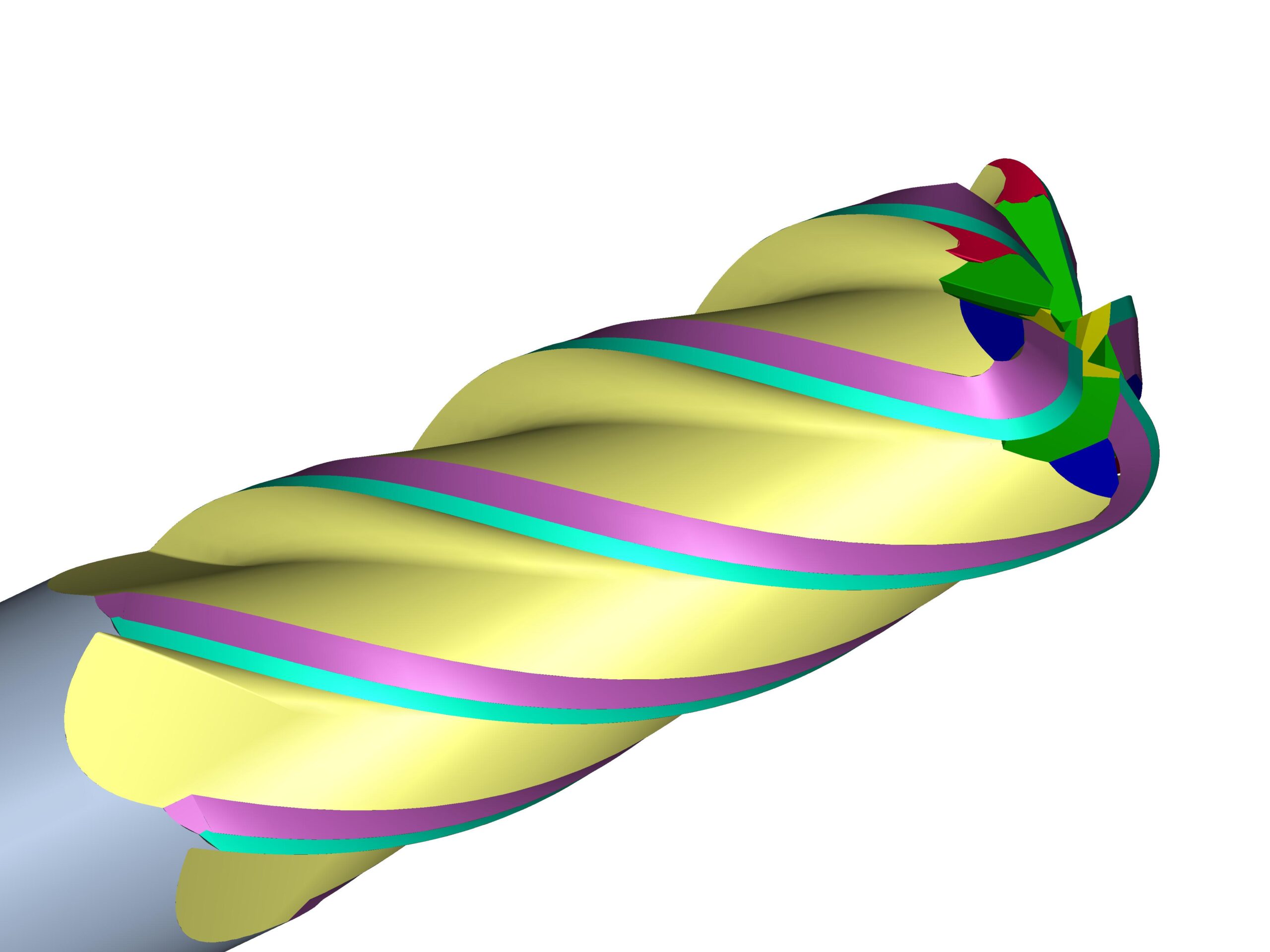
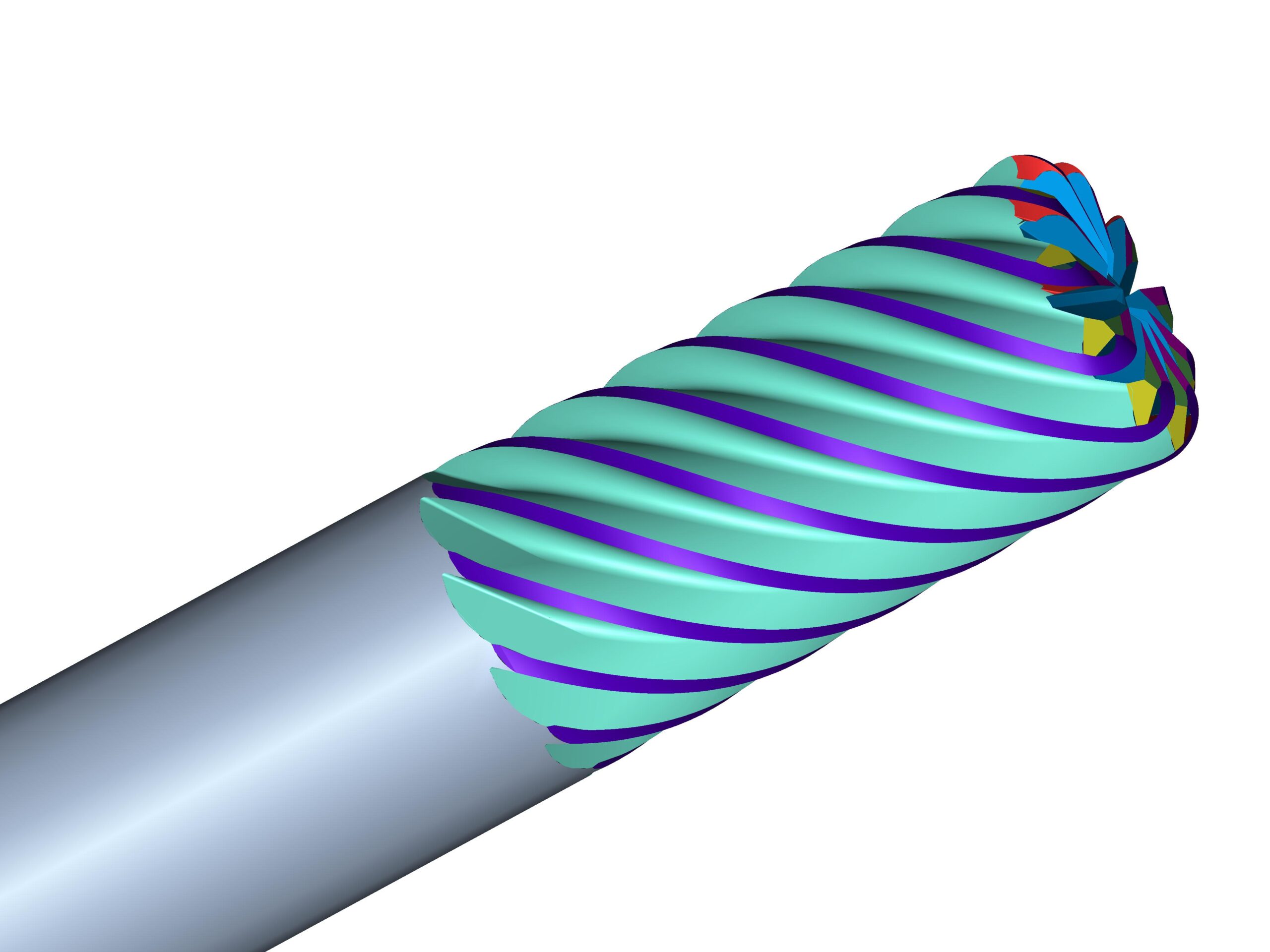
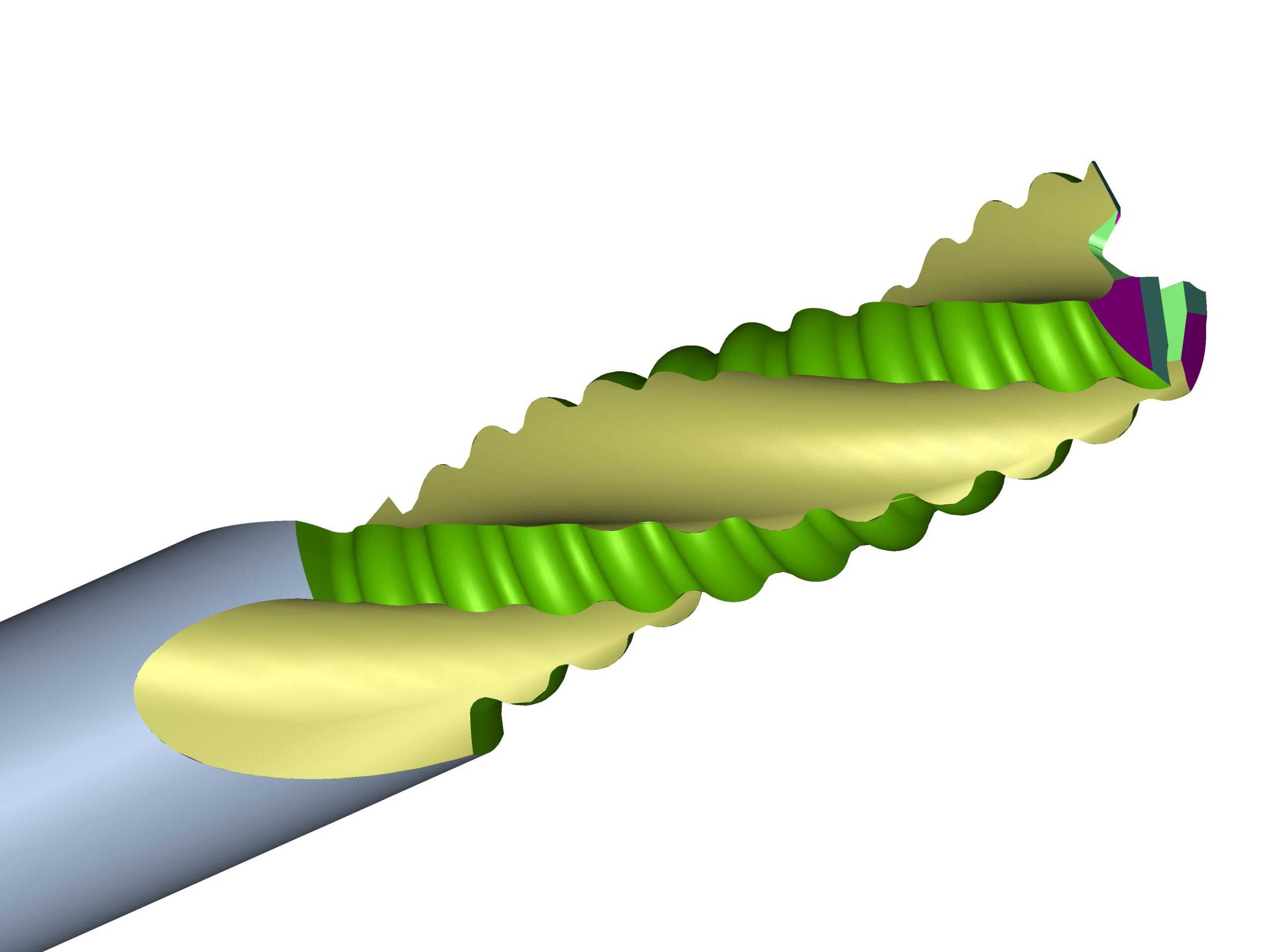
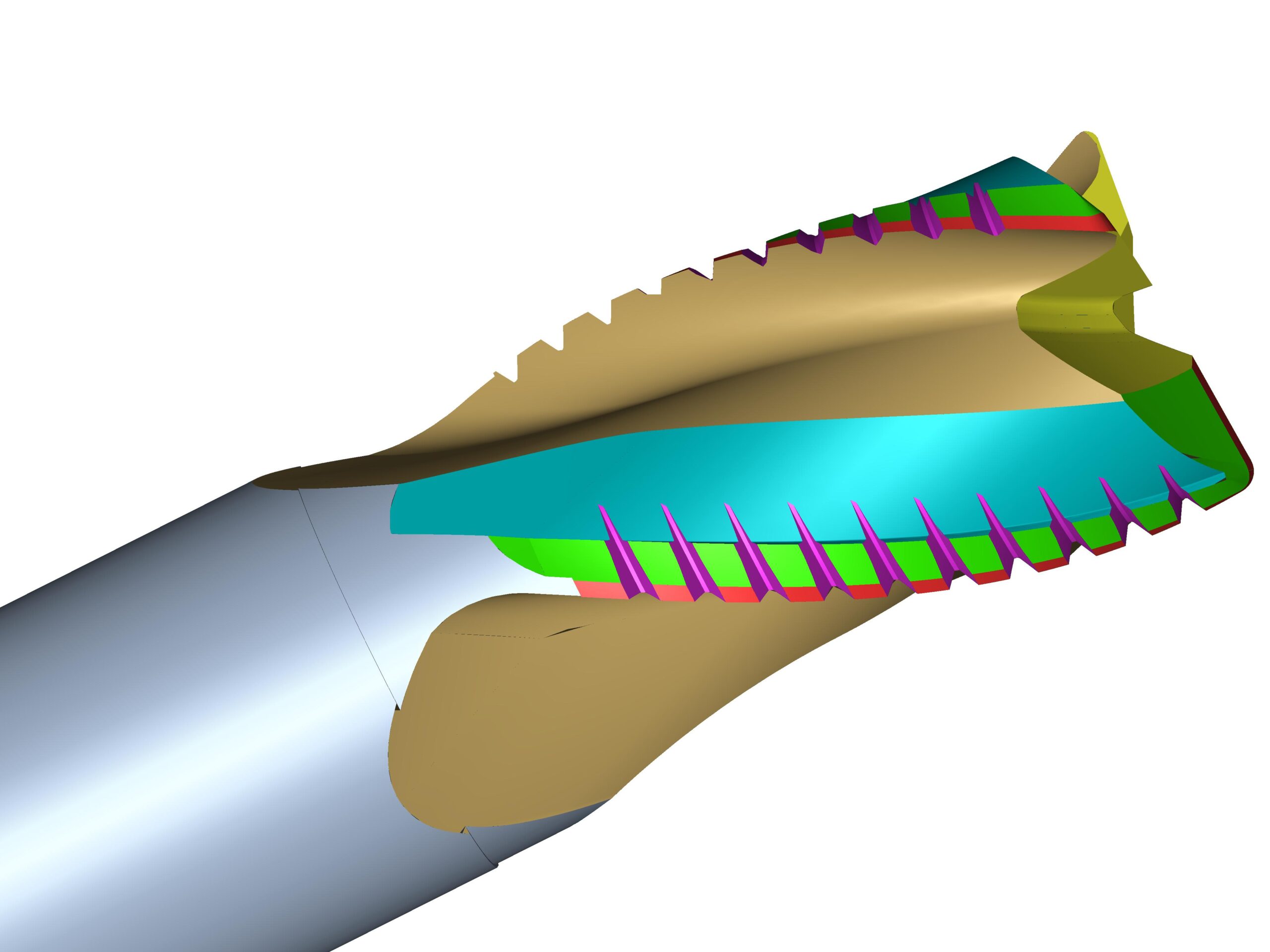
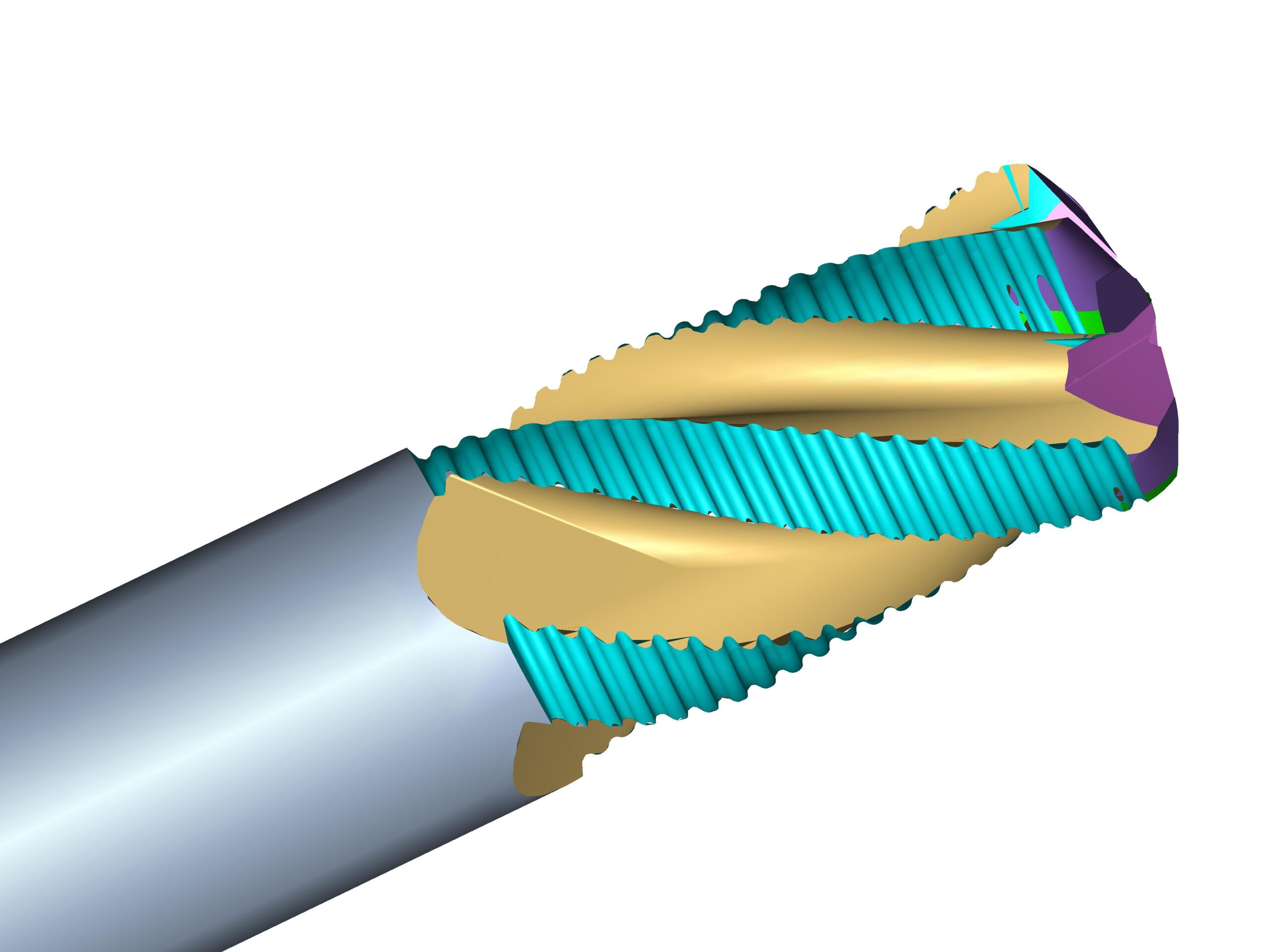
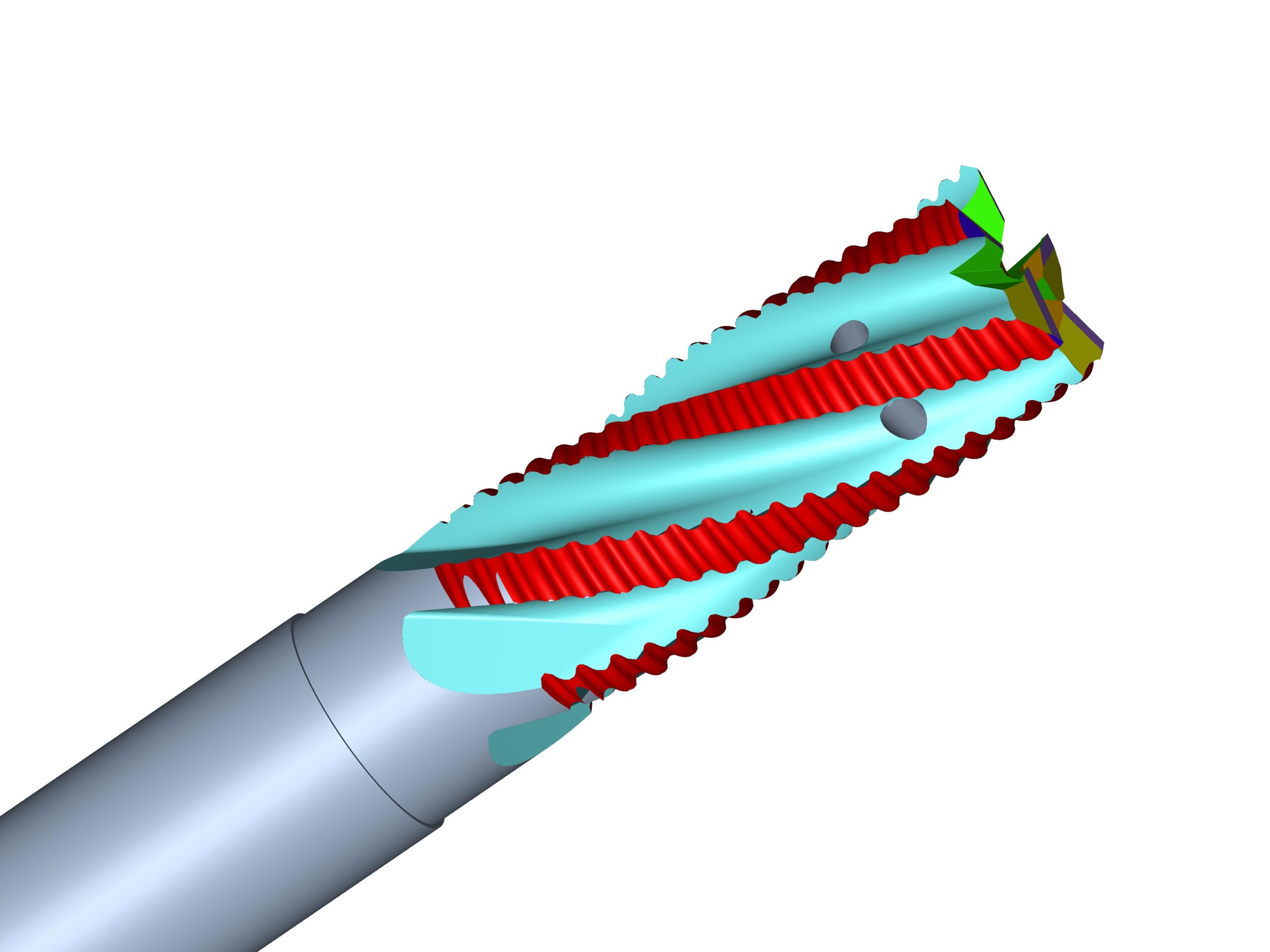
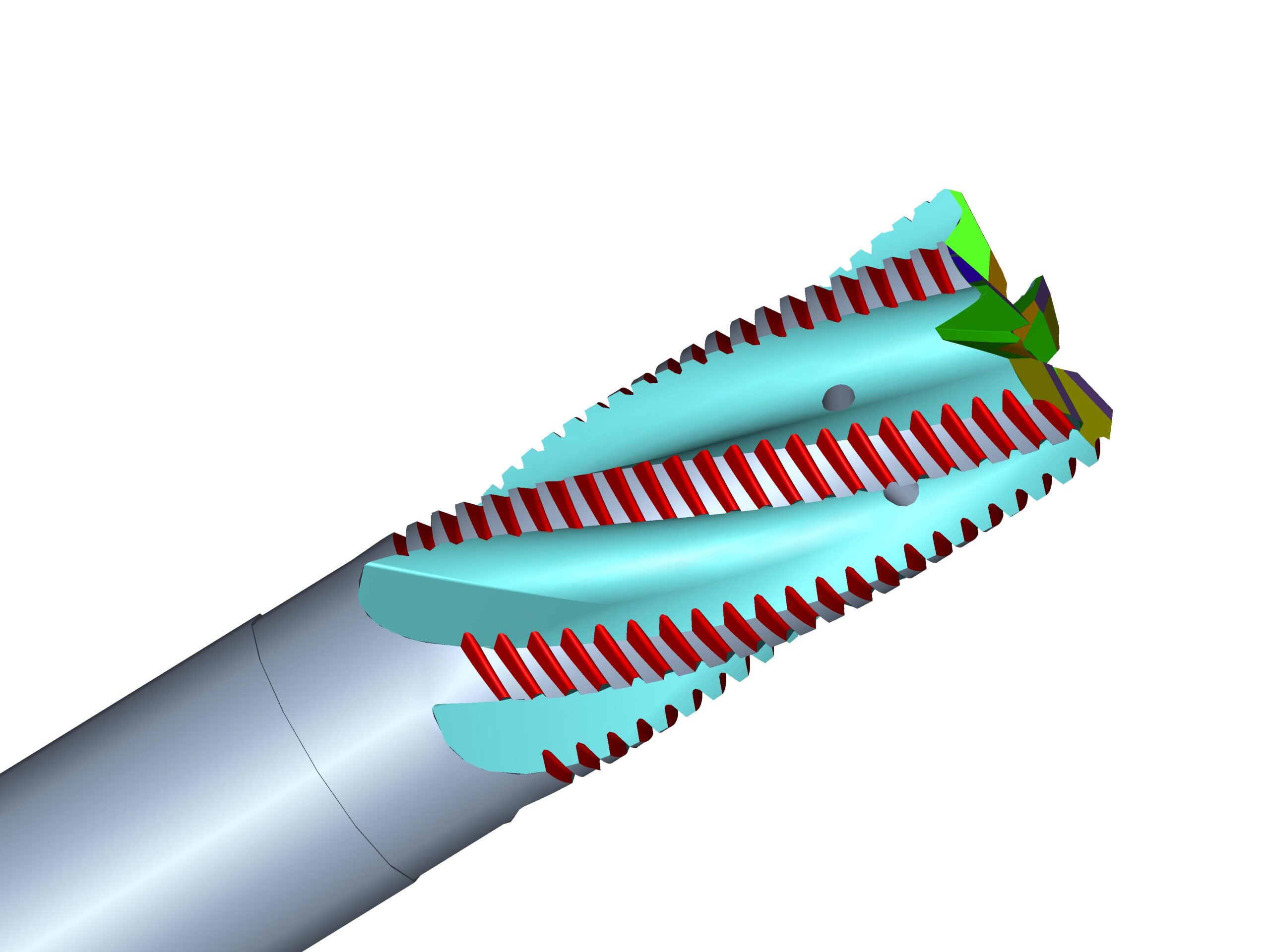
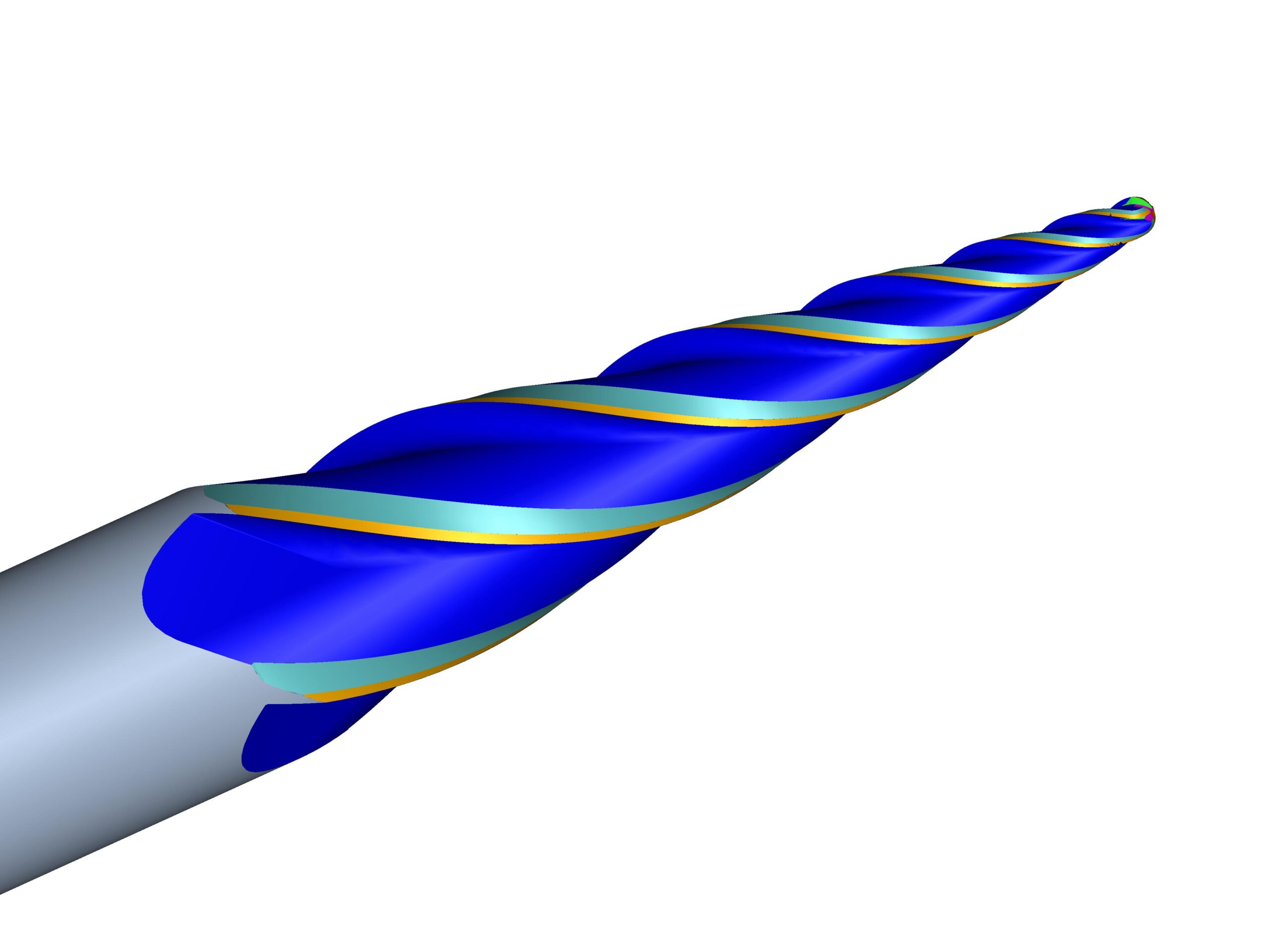
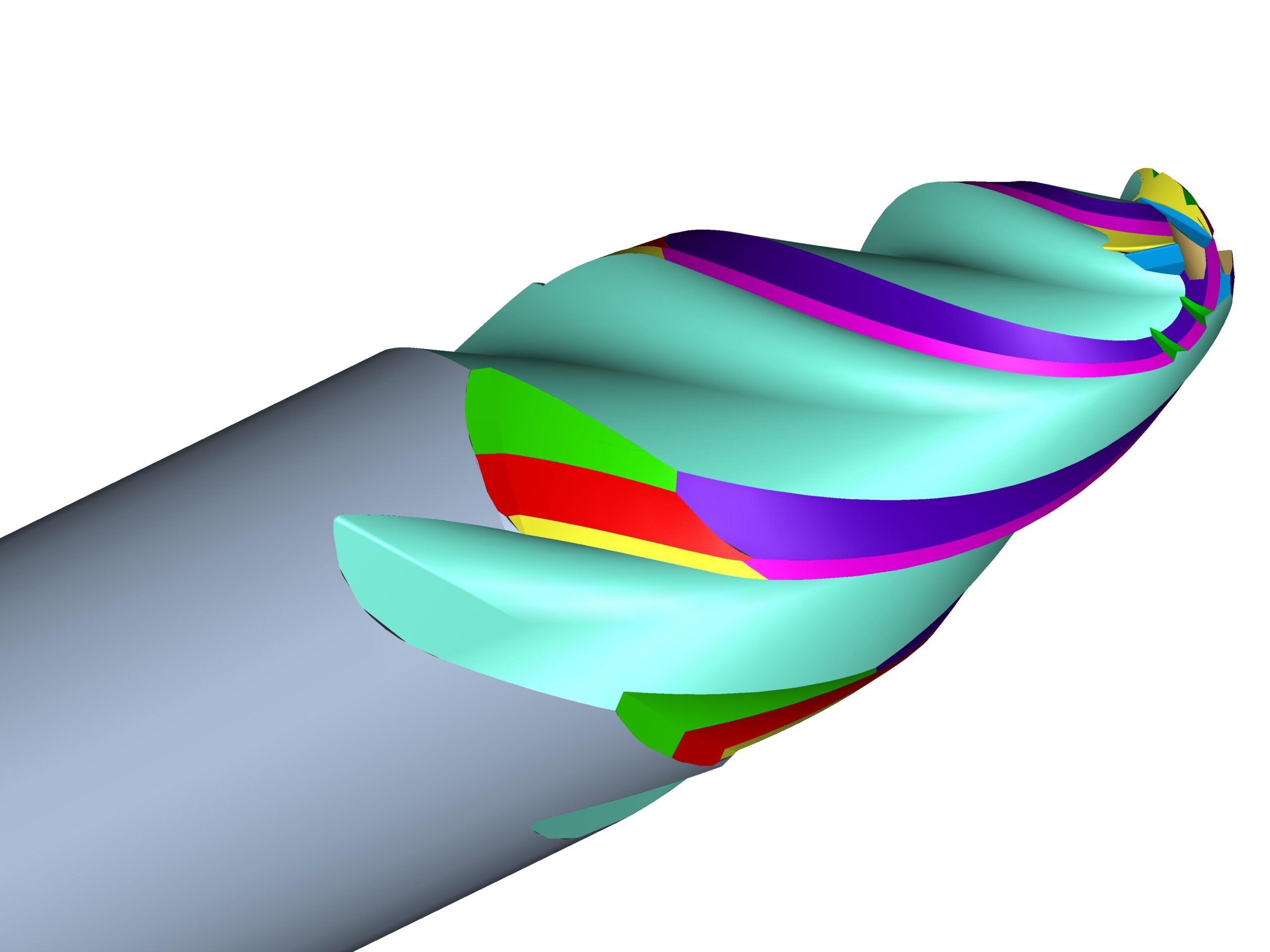
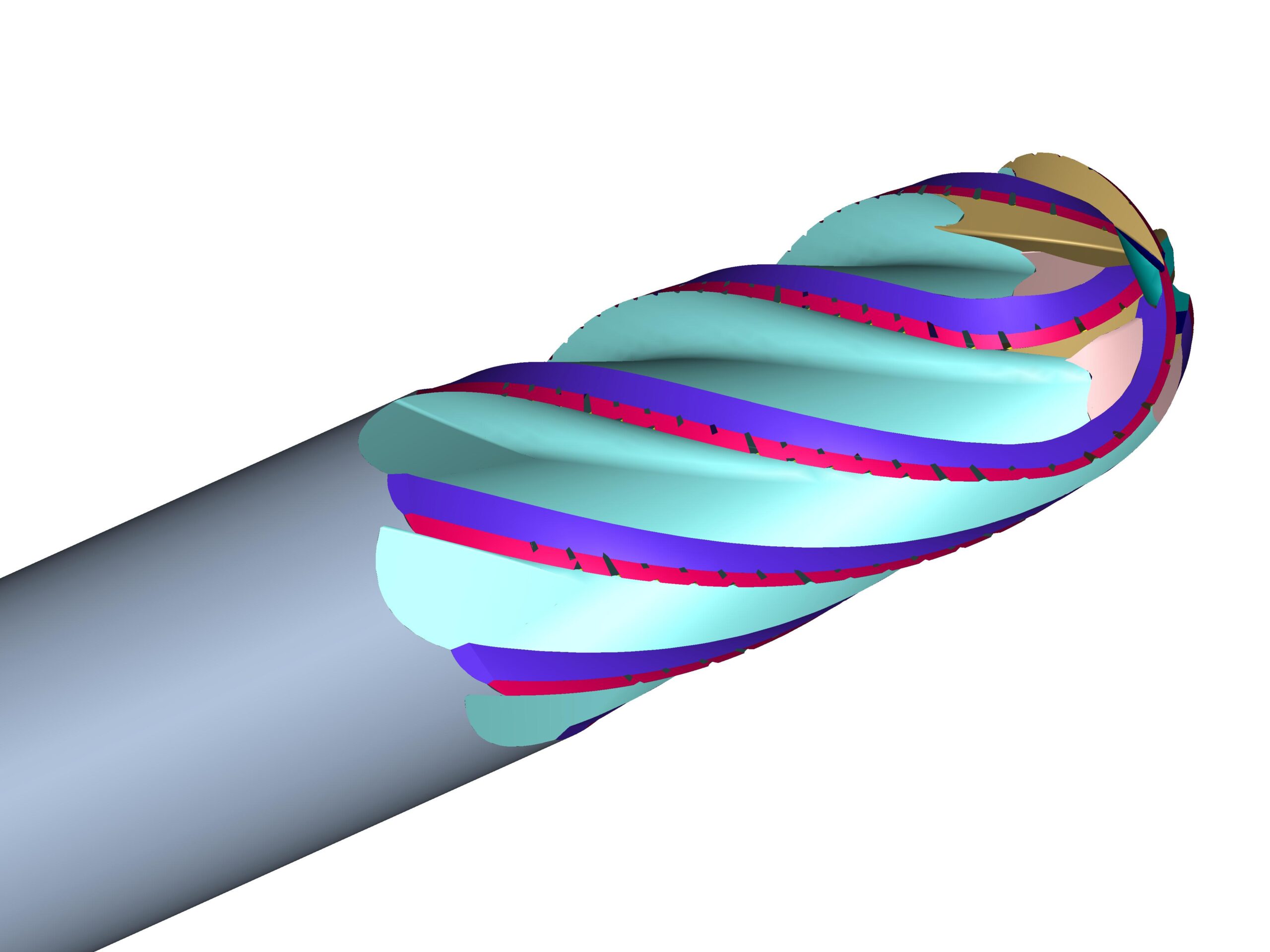
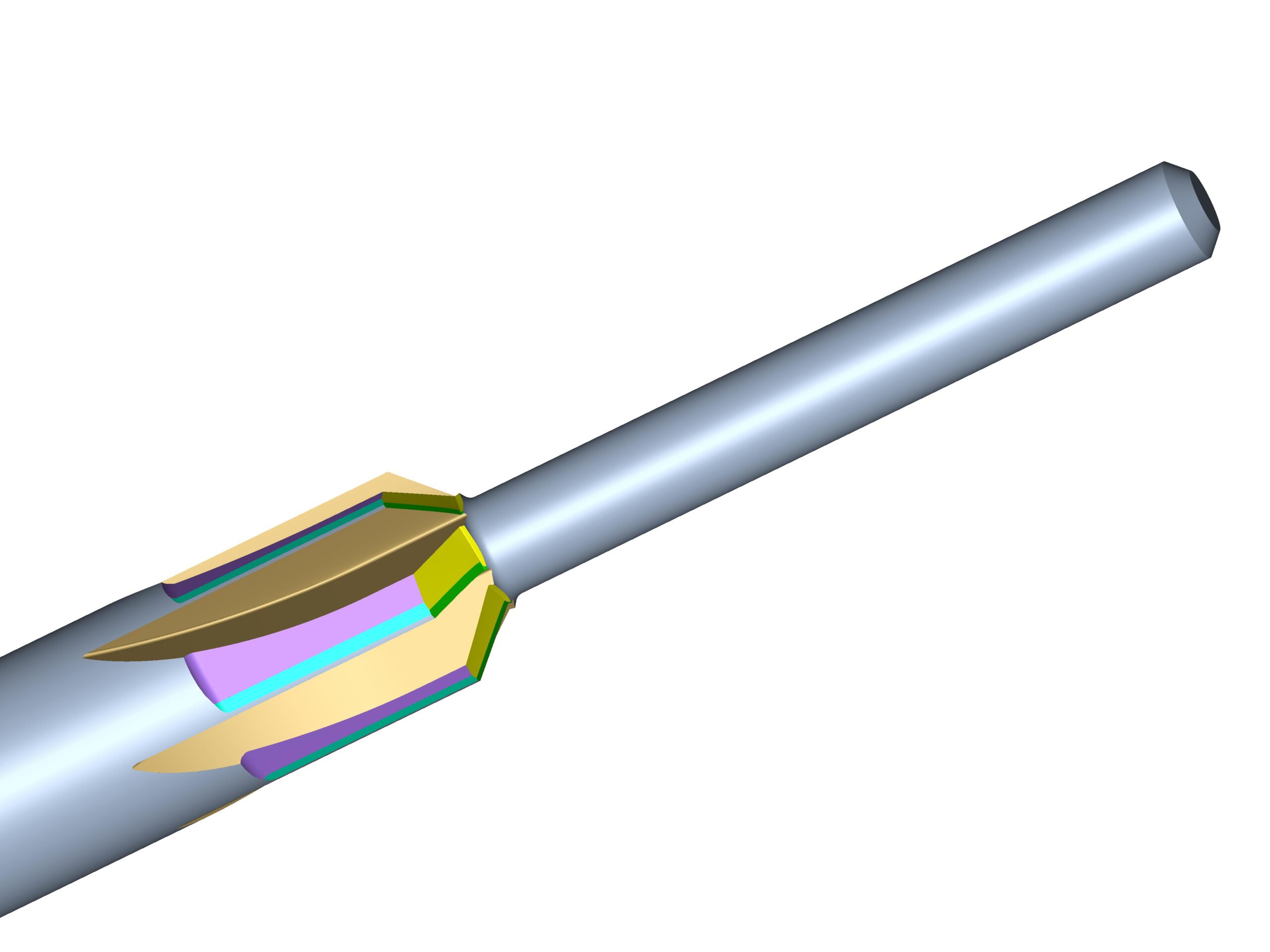
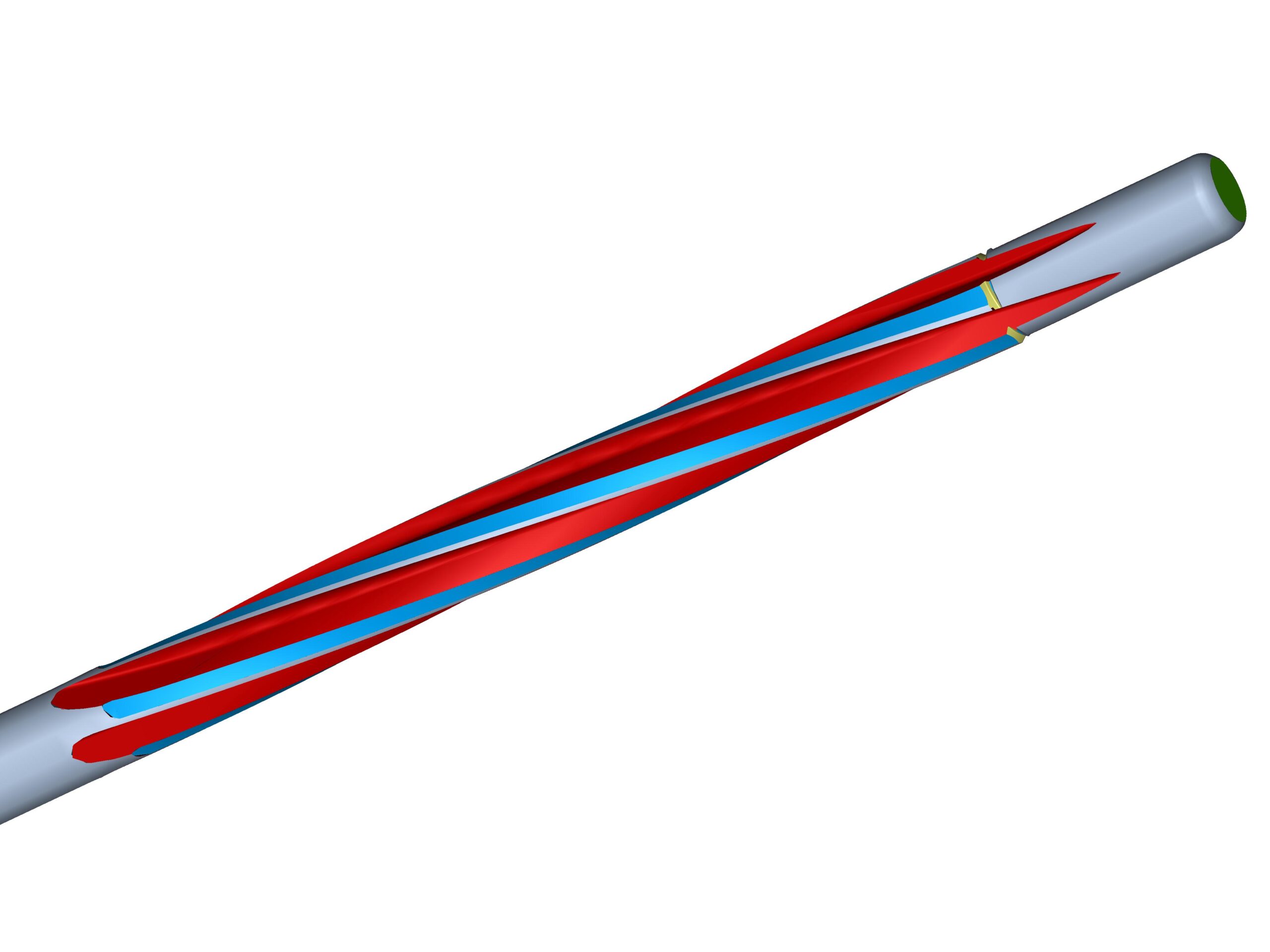
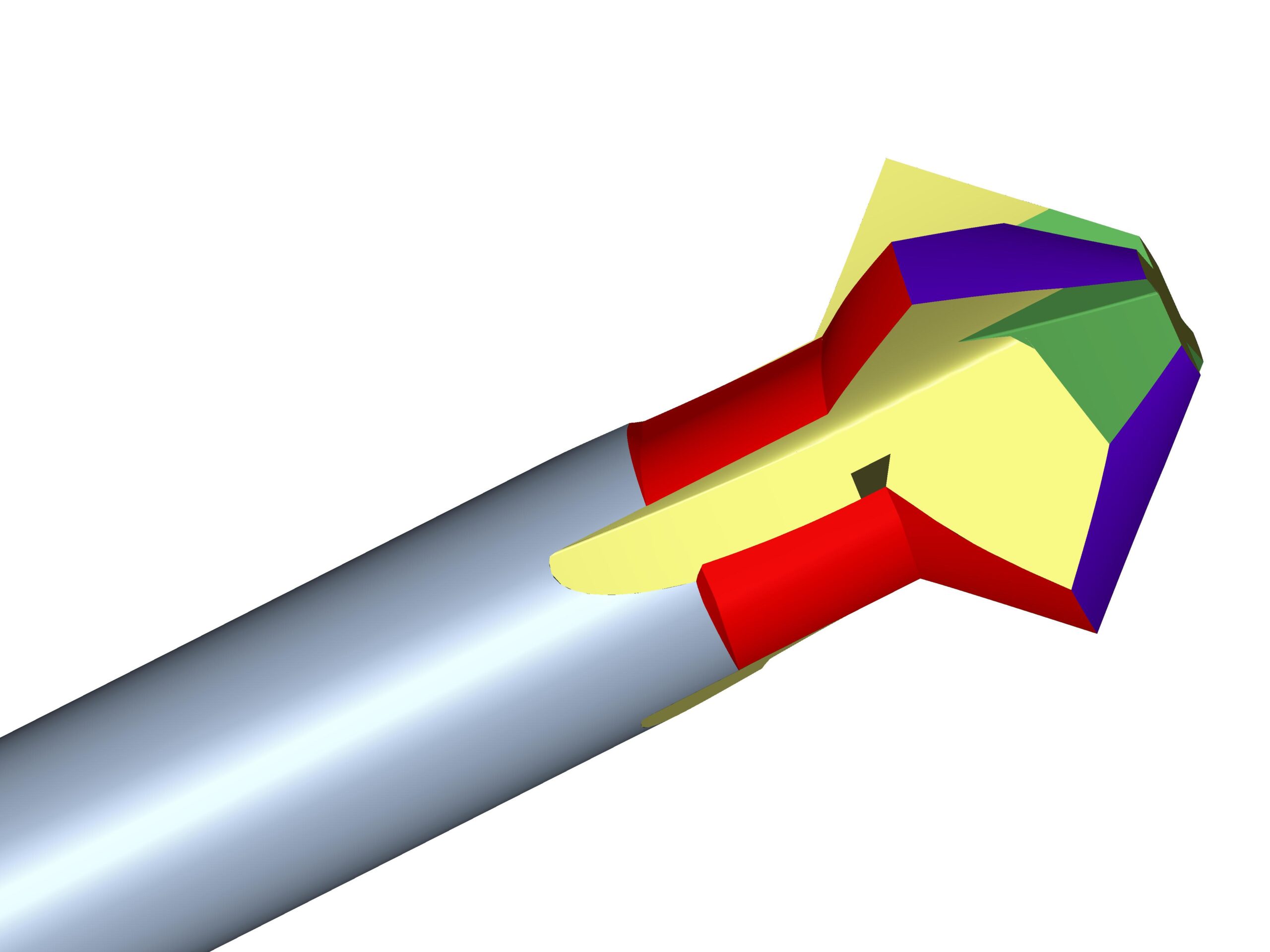
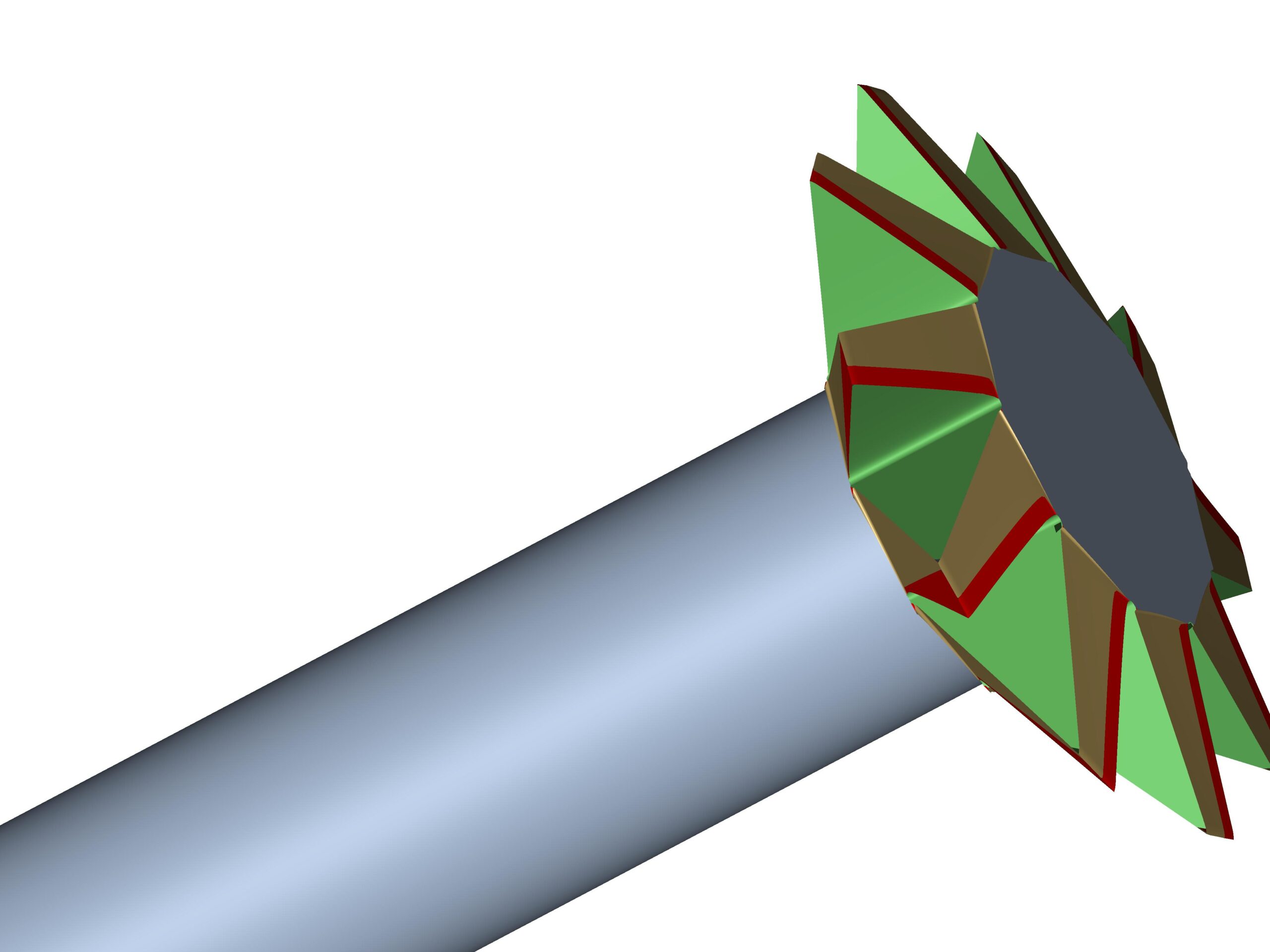
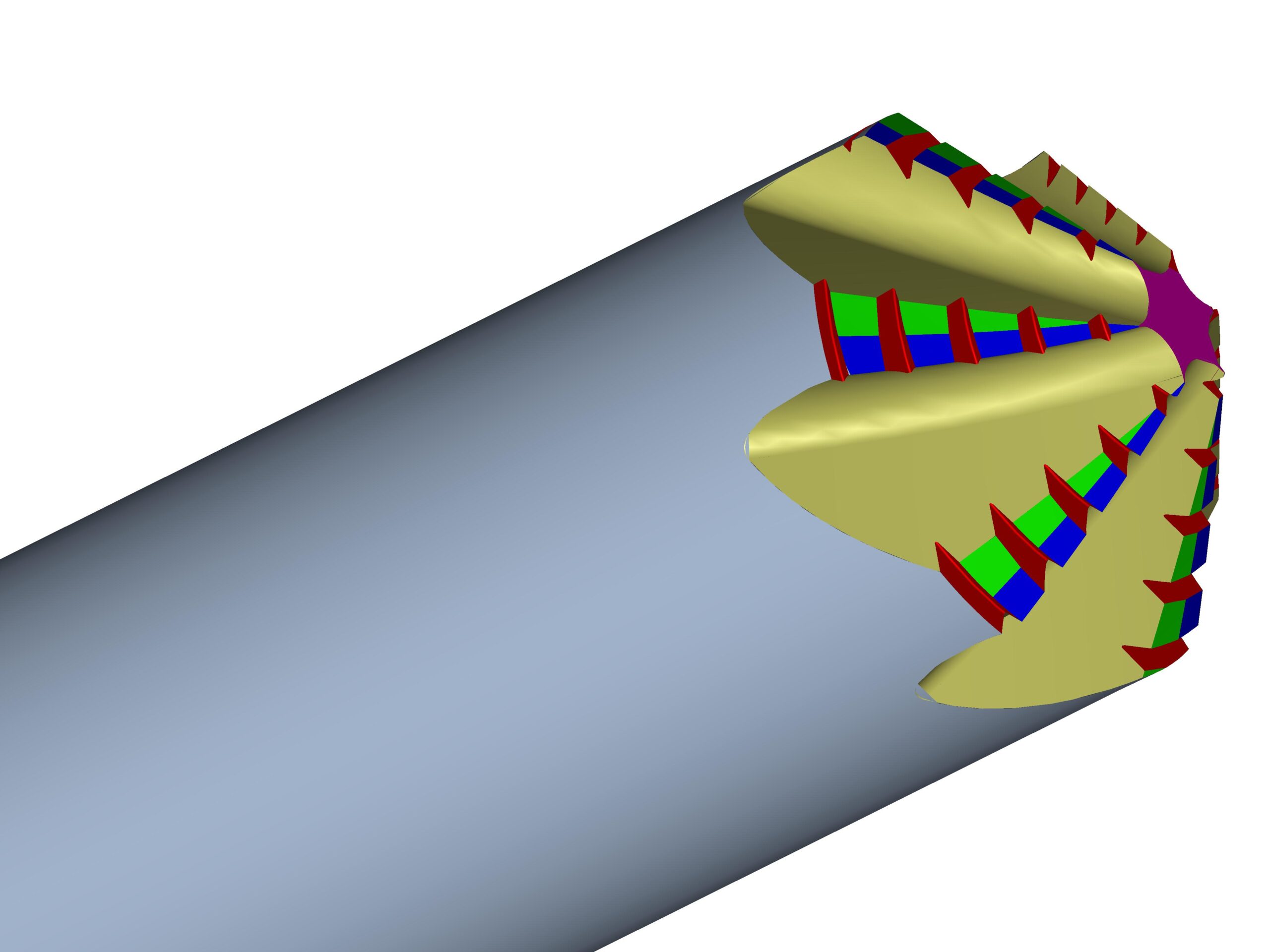
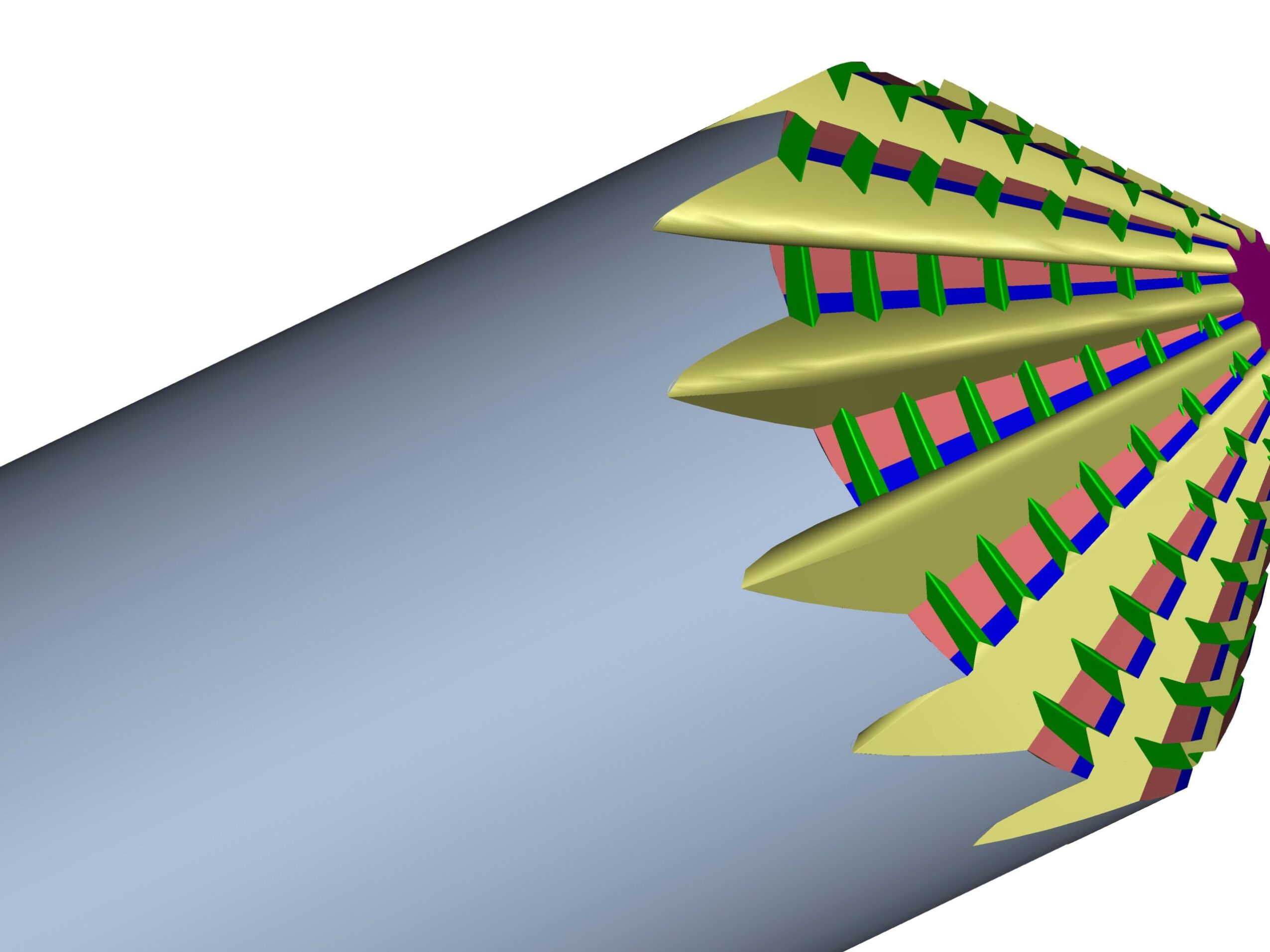
- Profile and anti-vibration end mills for critical machining in power plants
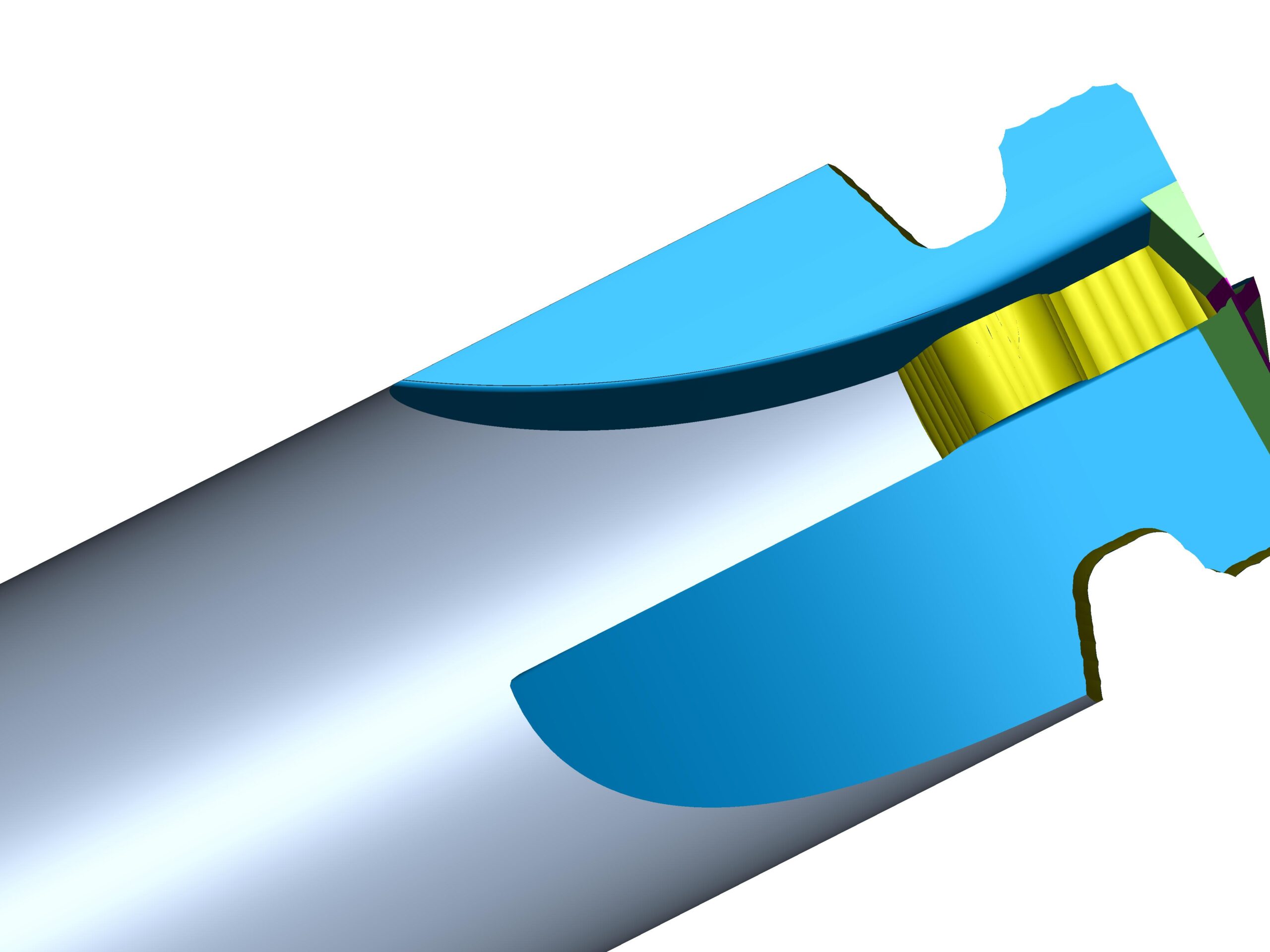
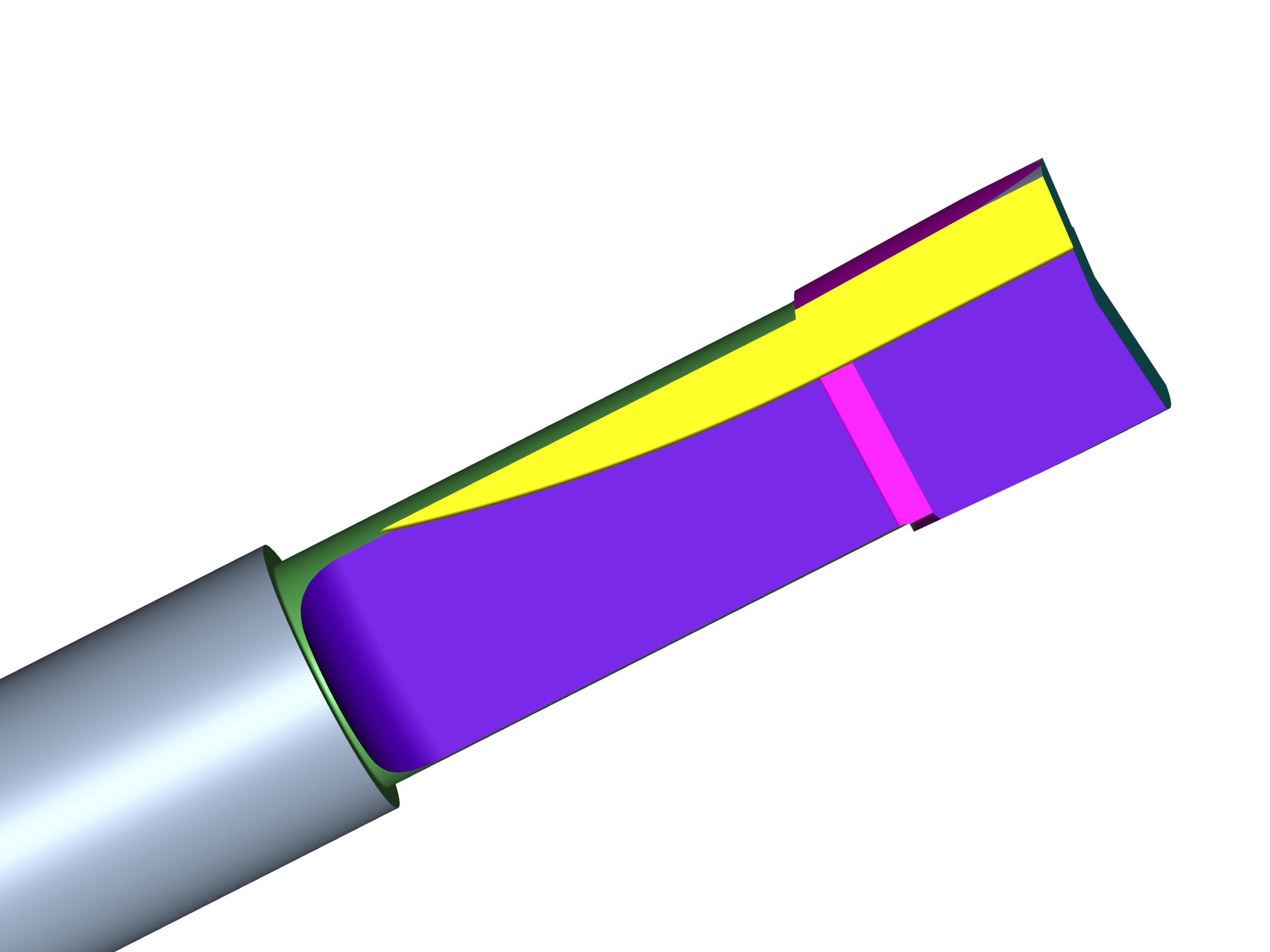
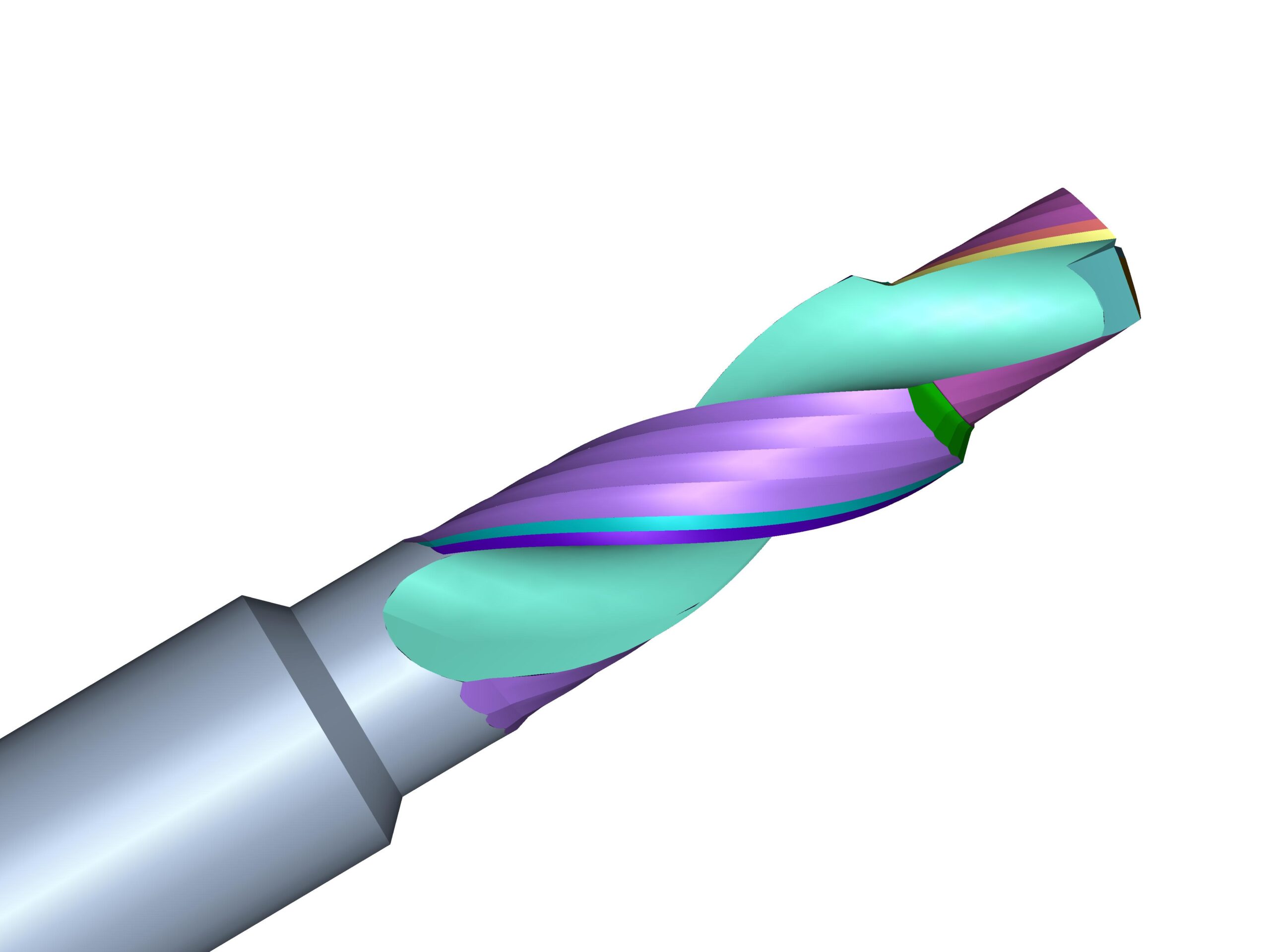
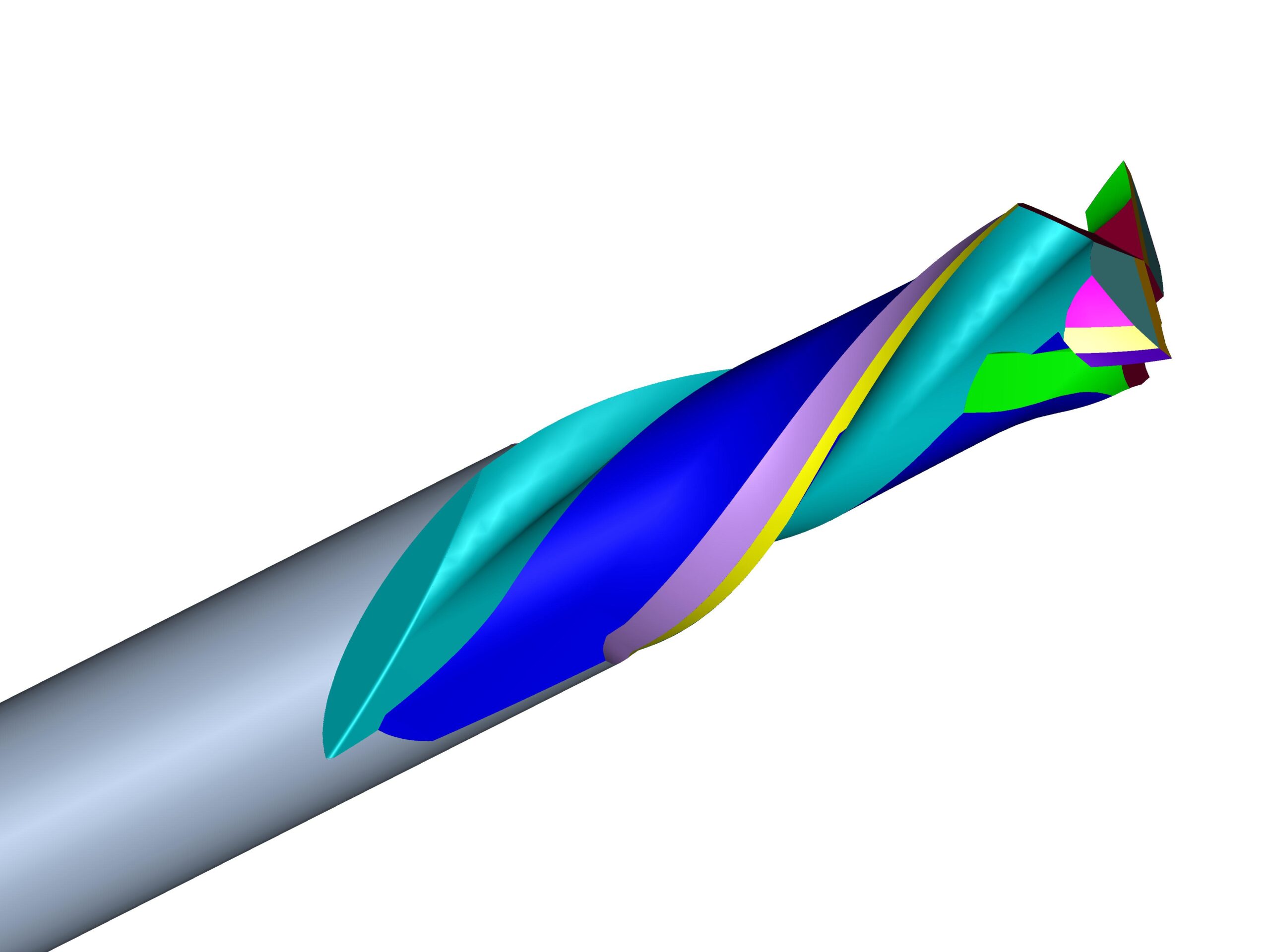
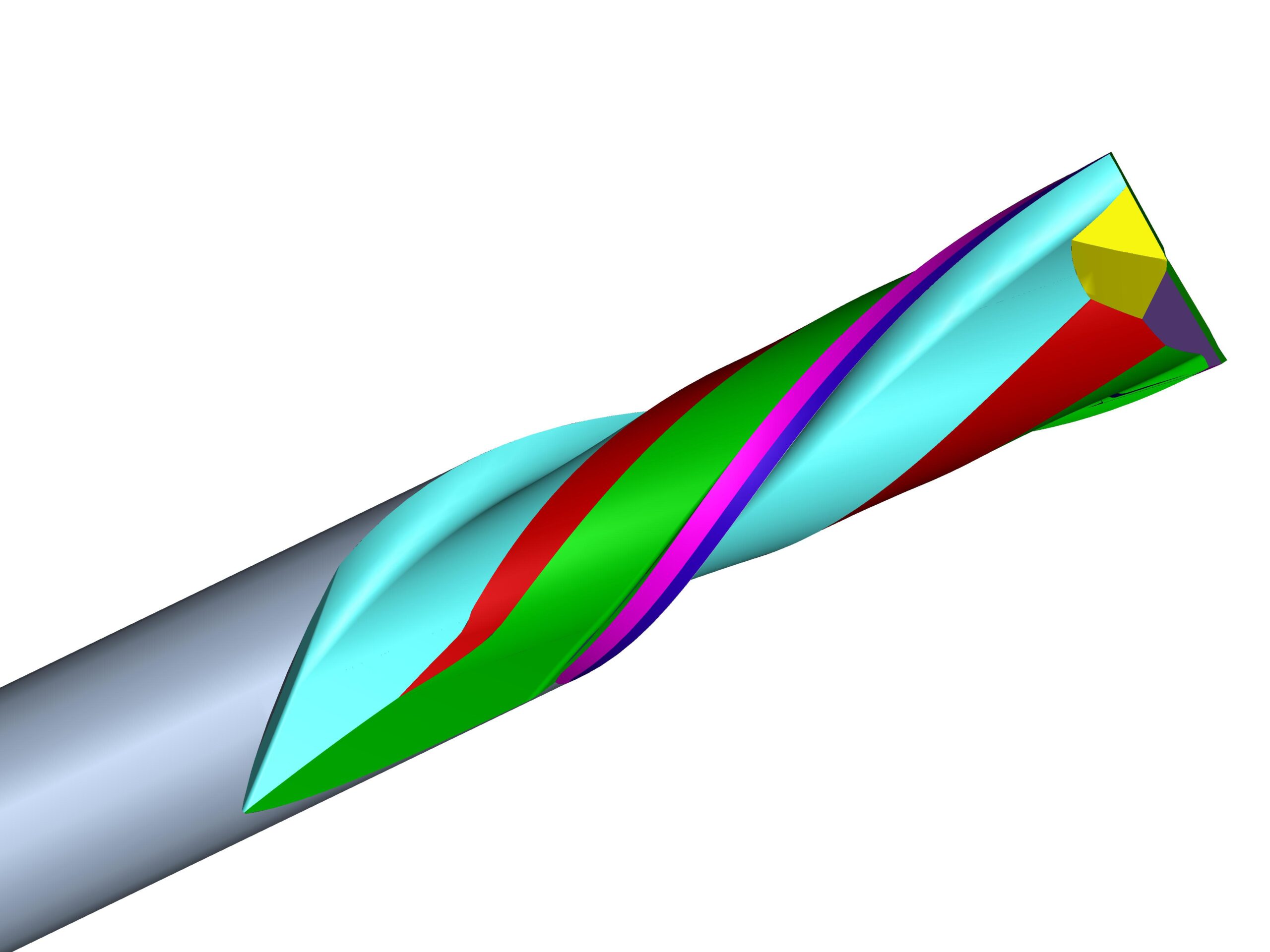
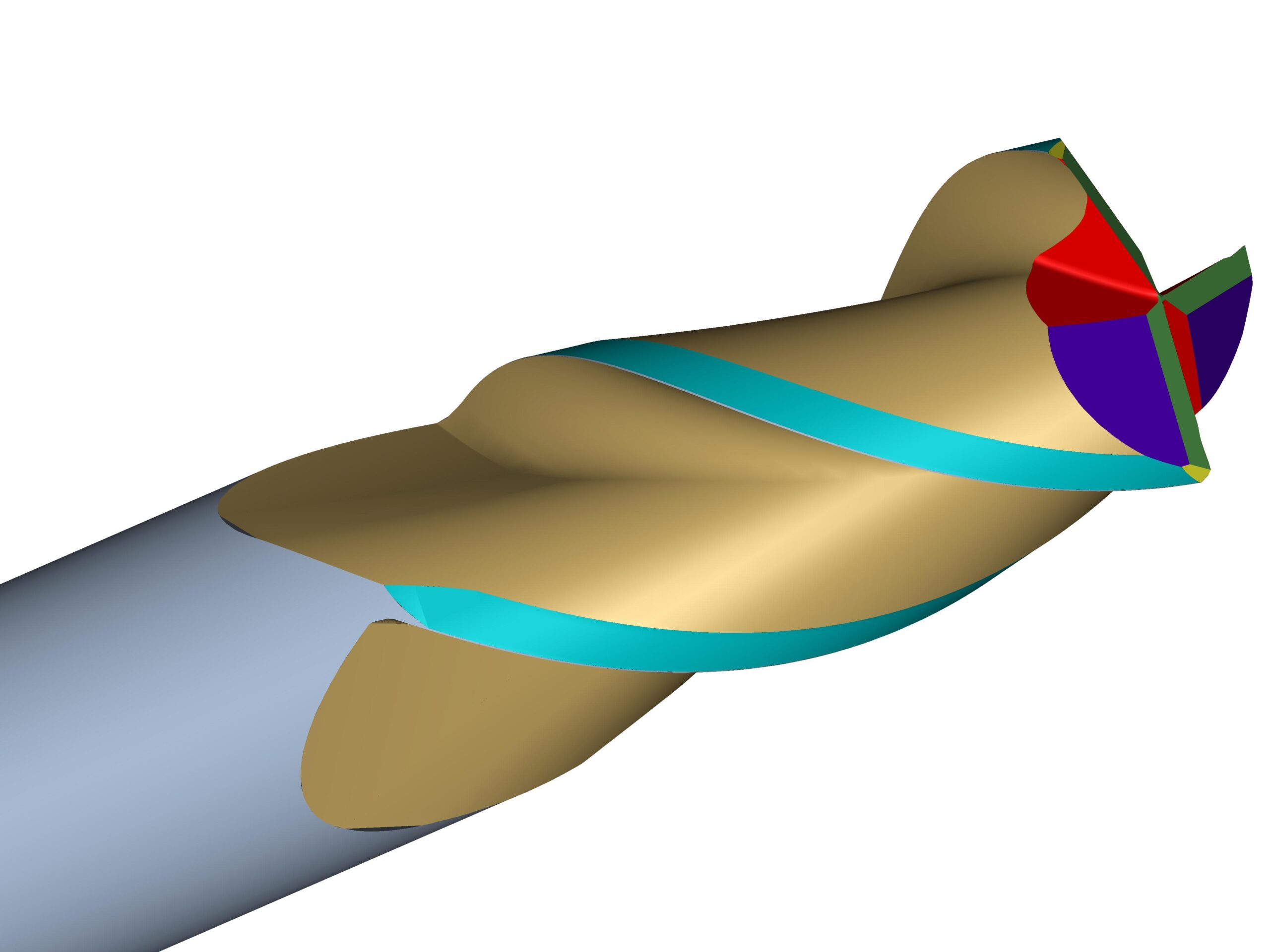
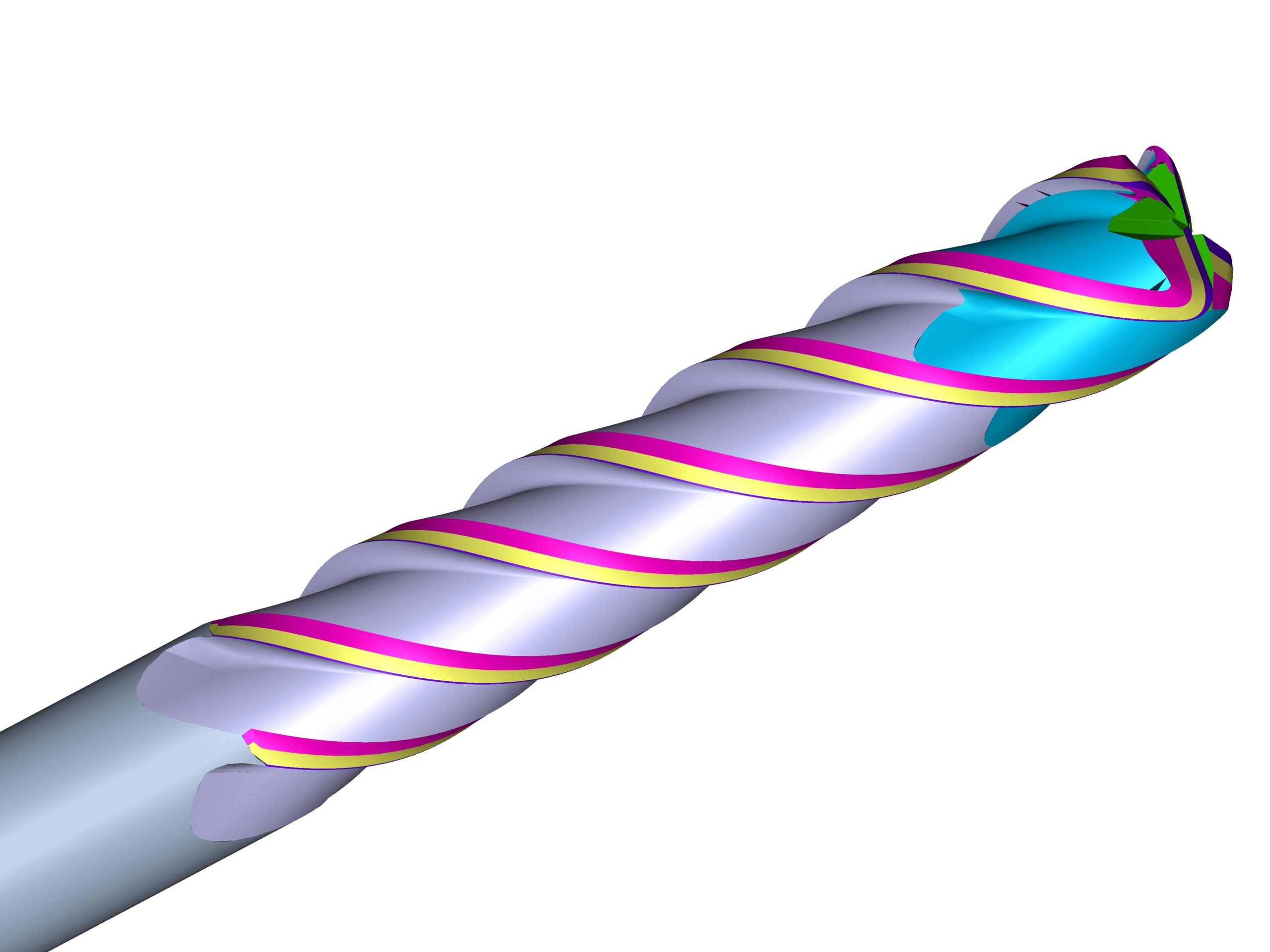
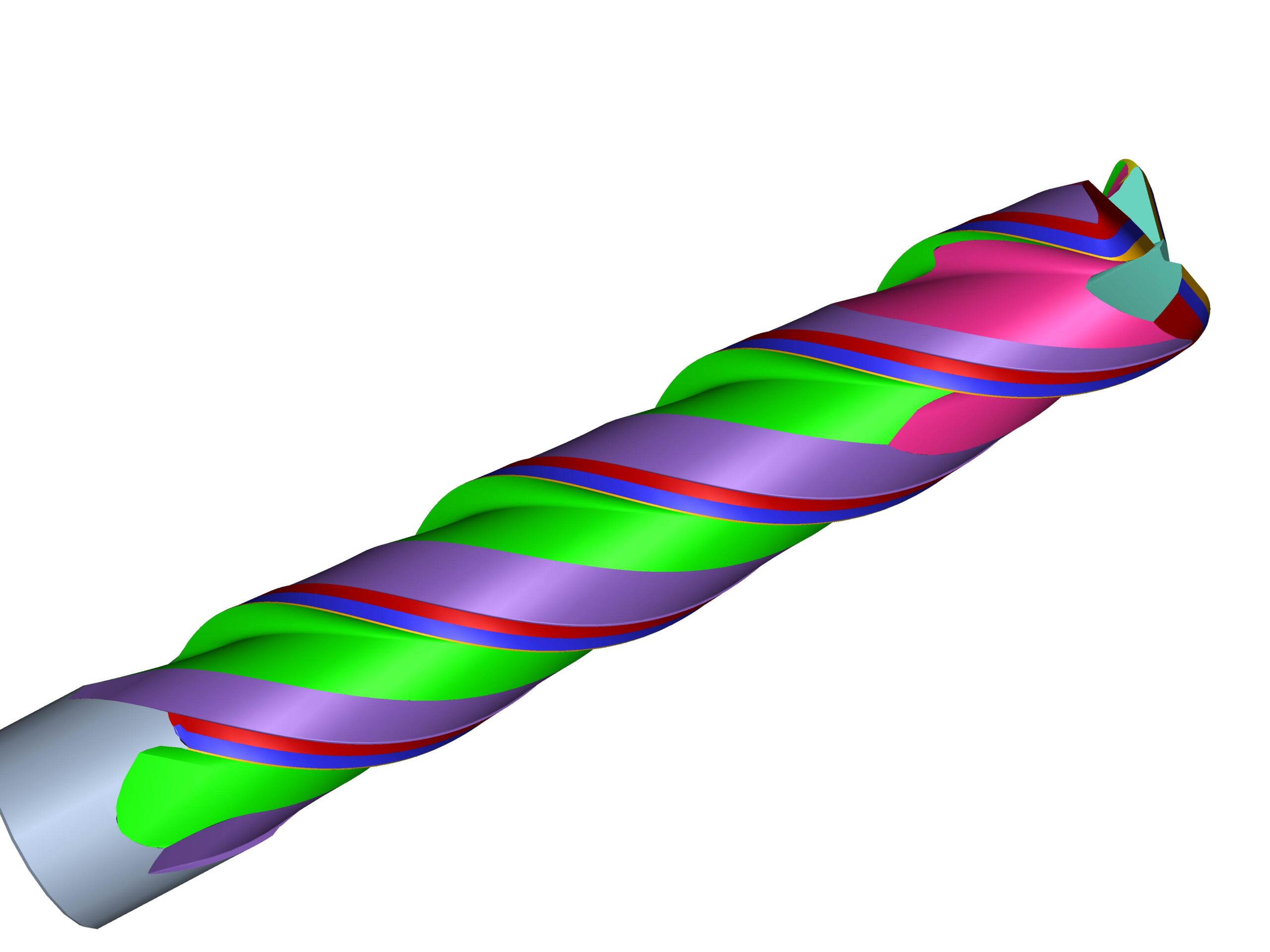
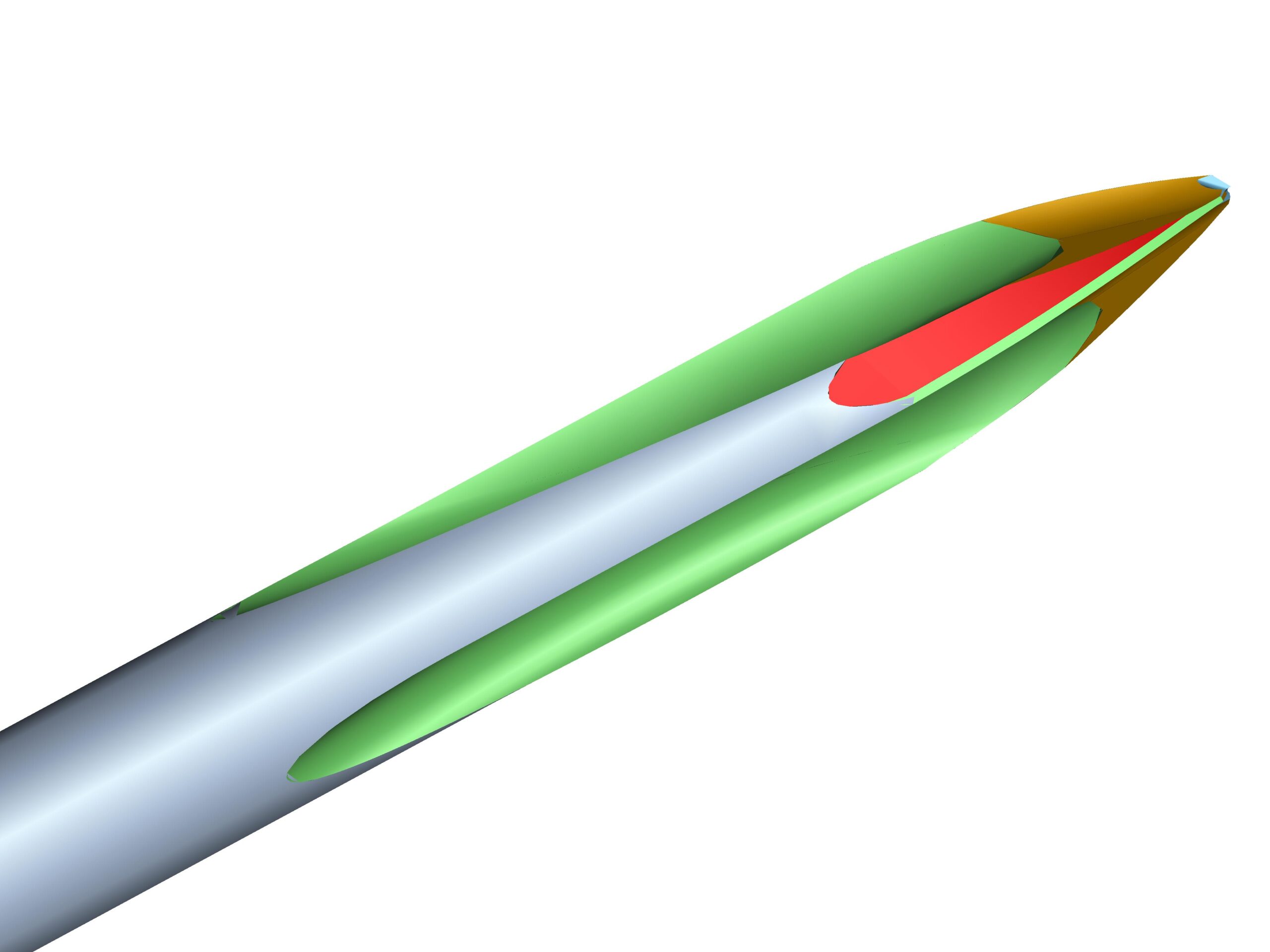
- High-performance drills for tough materials heat resistant
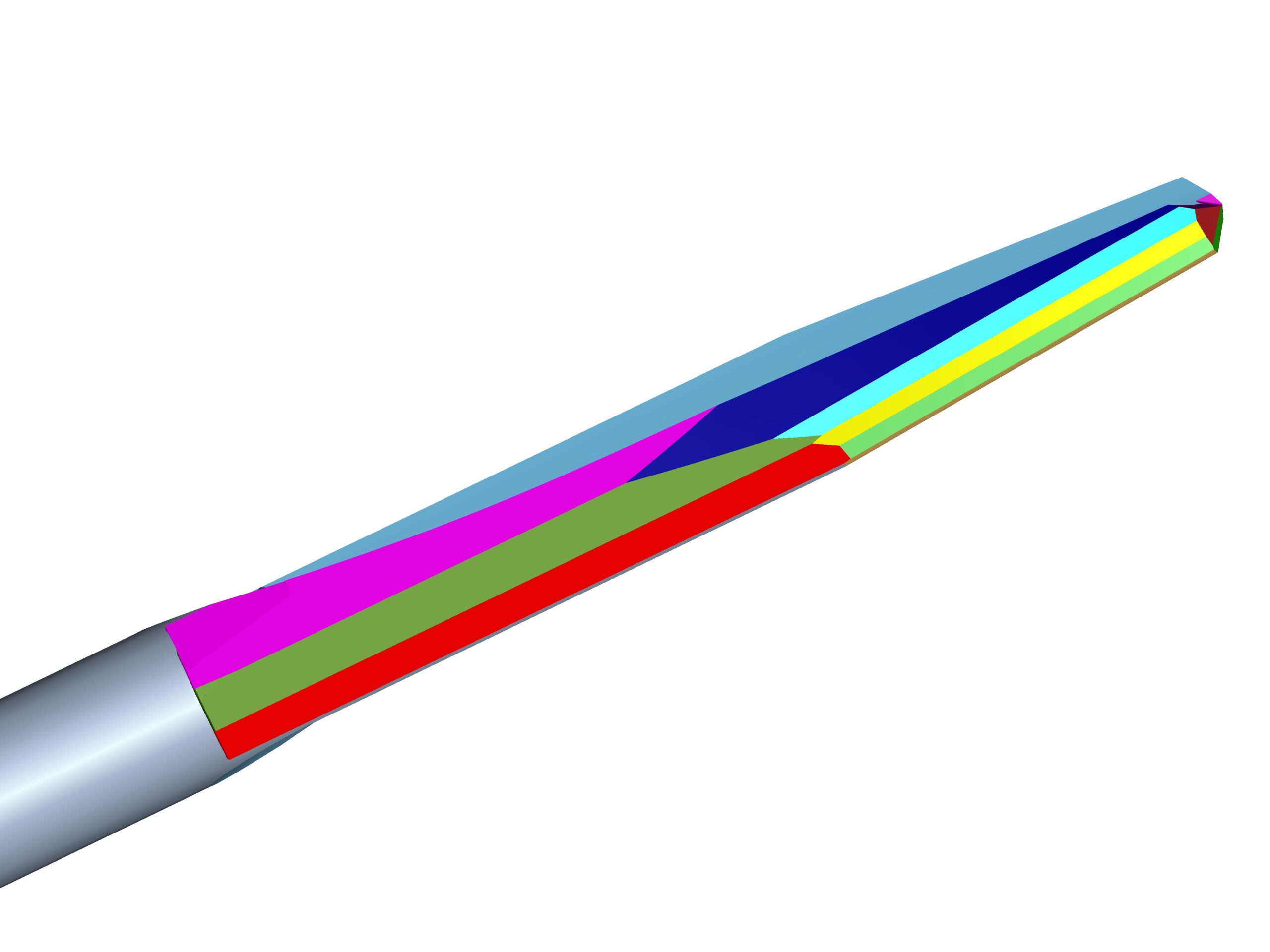
- Customized tools for special steels and nickel-based alloys with high heat resistance

Custom Tools
Customization
for Maximum Efficiency
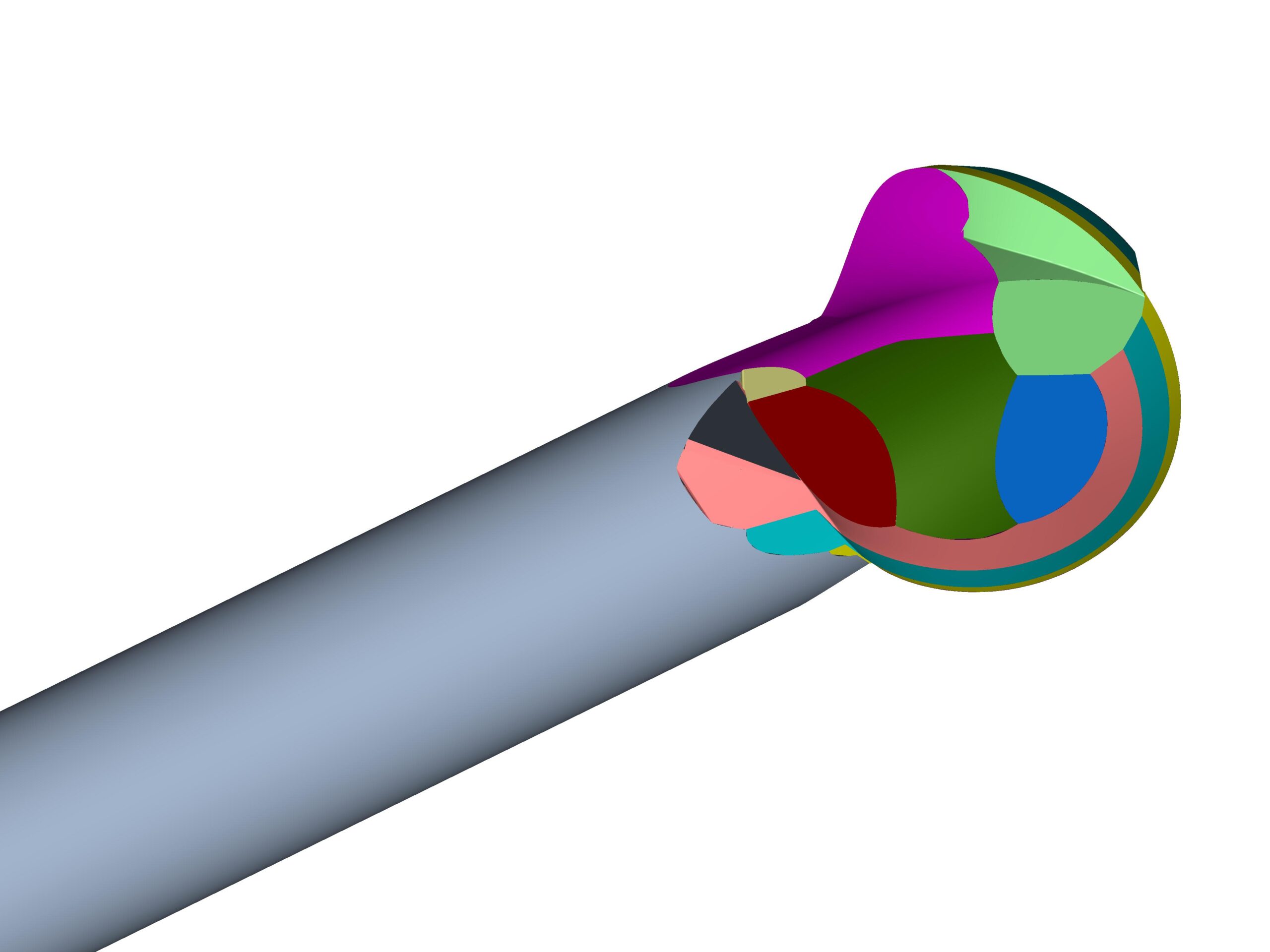
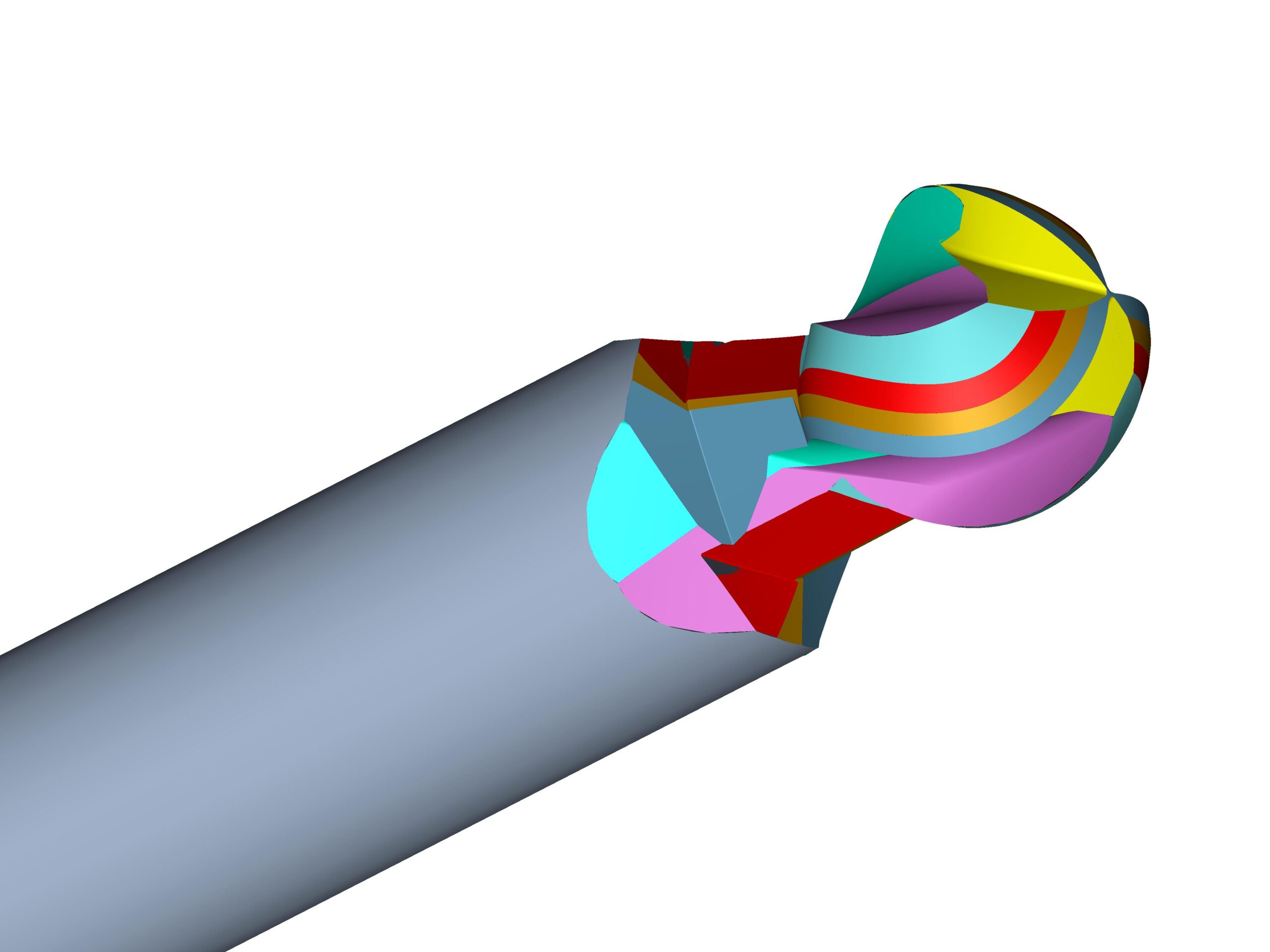
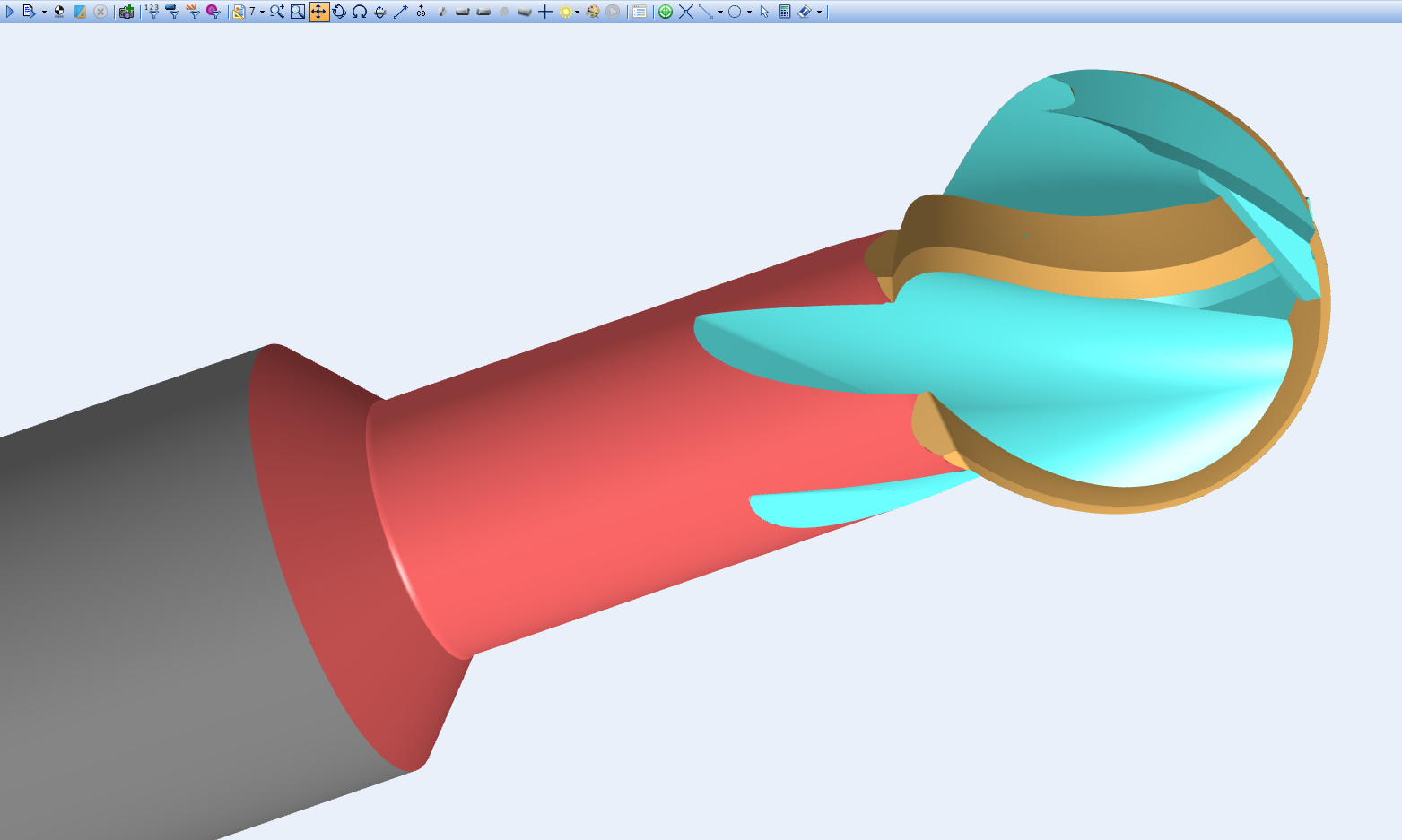
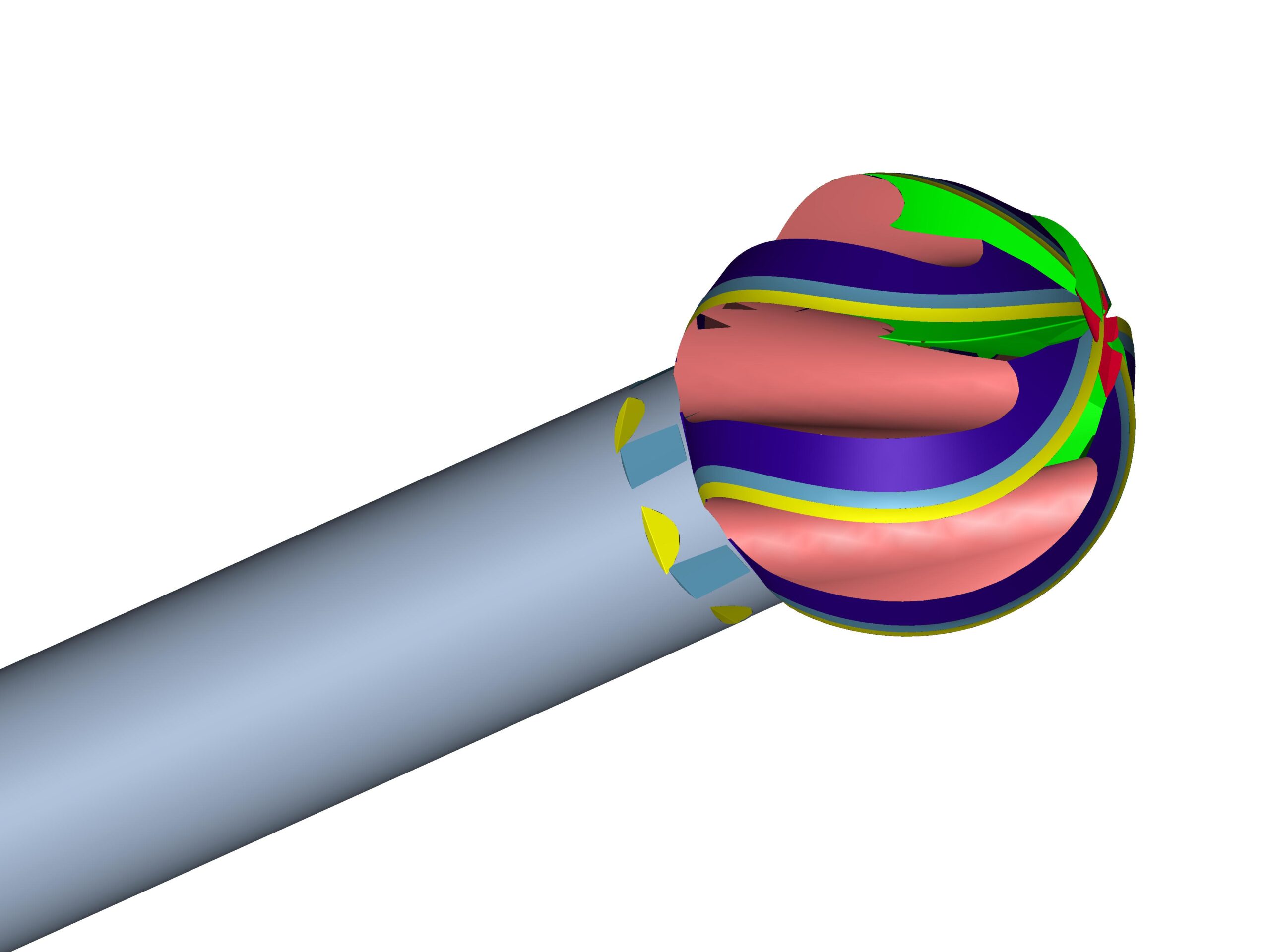
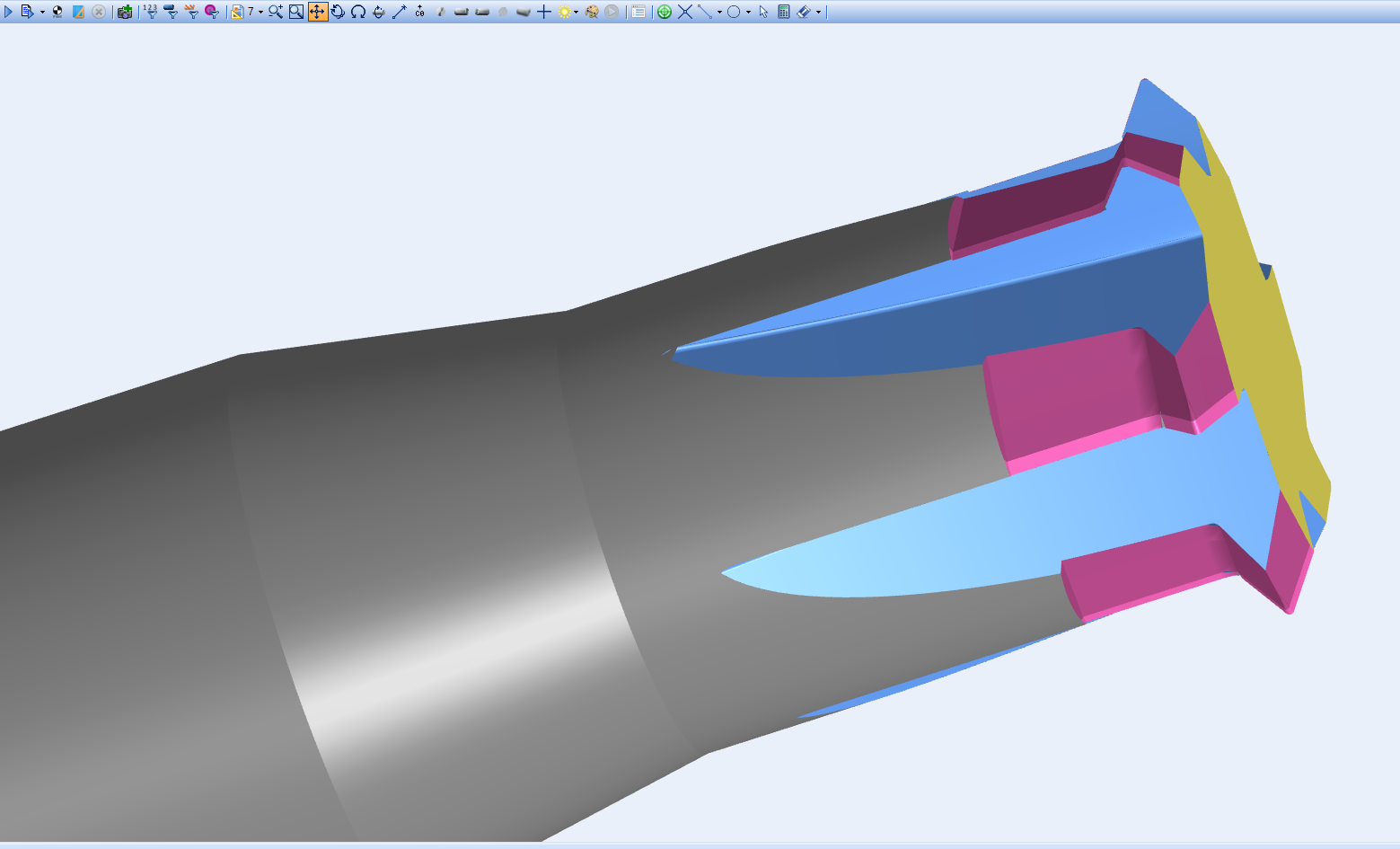
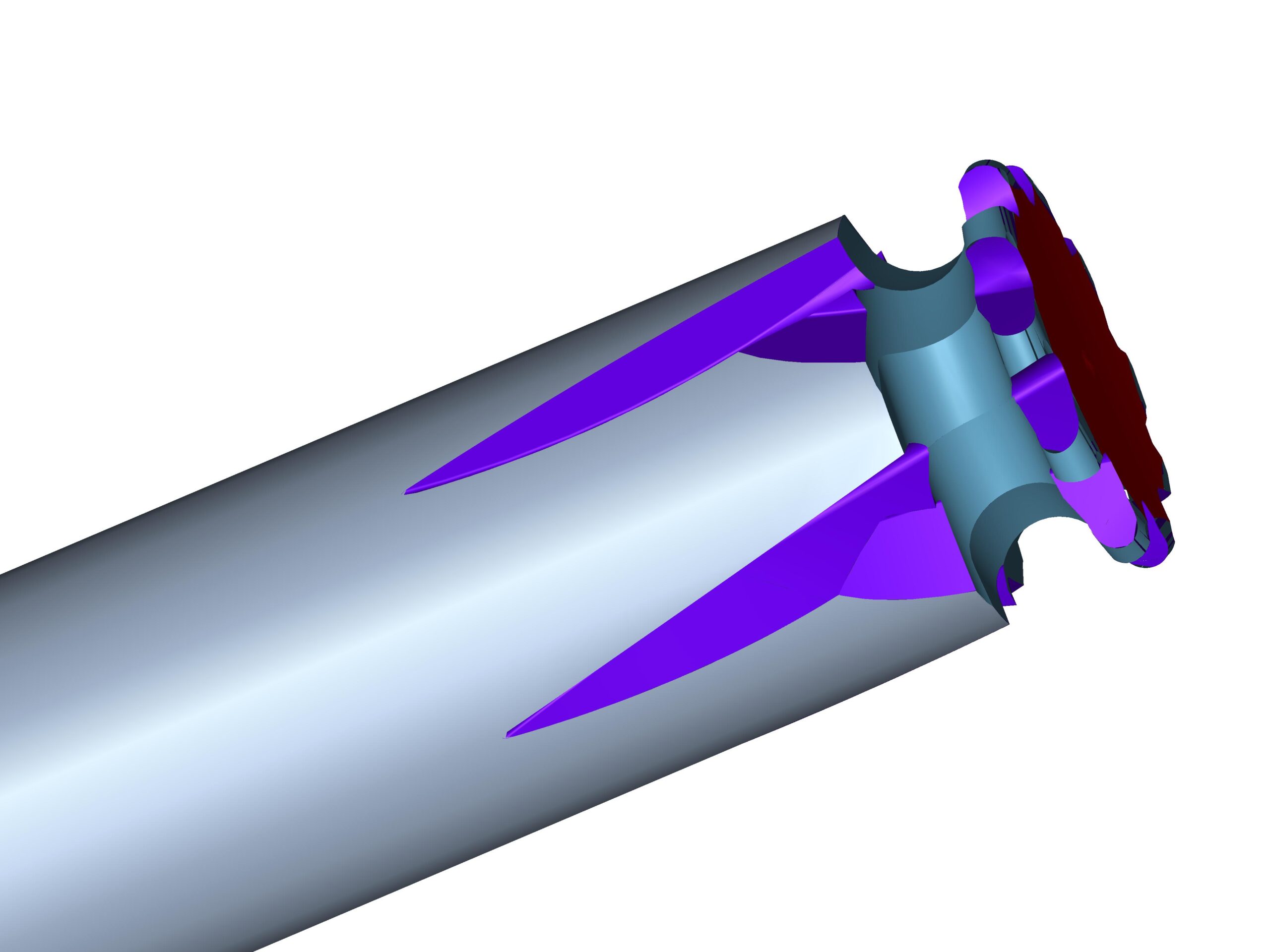
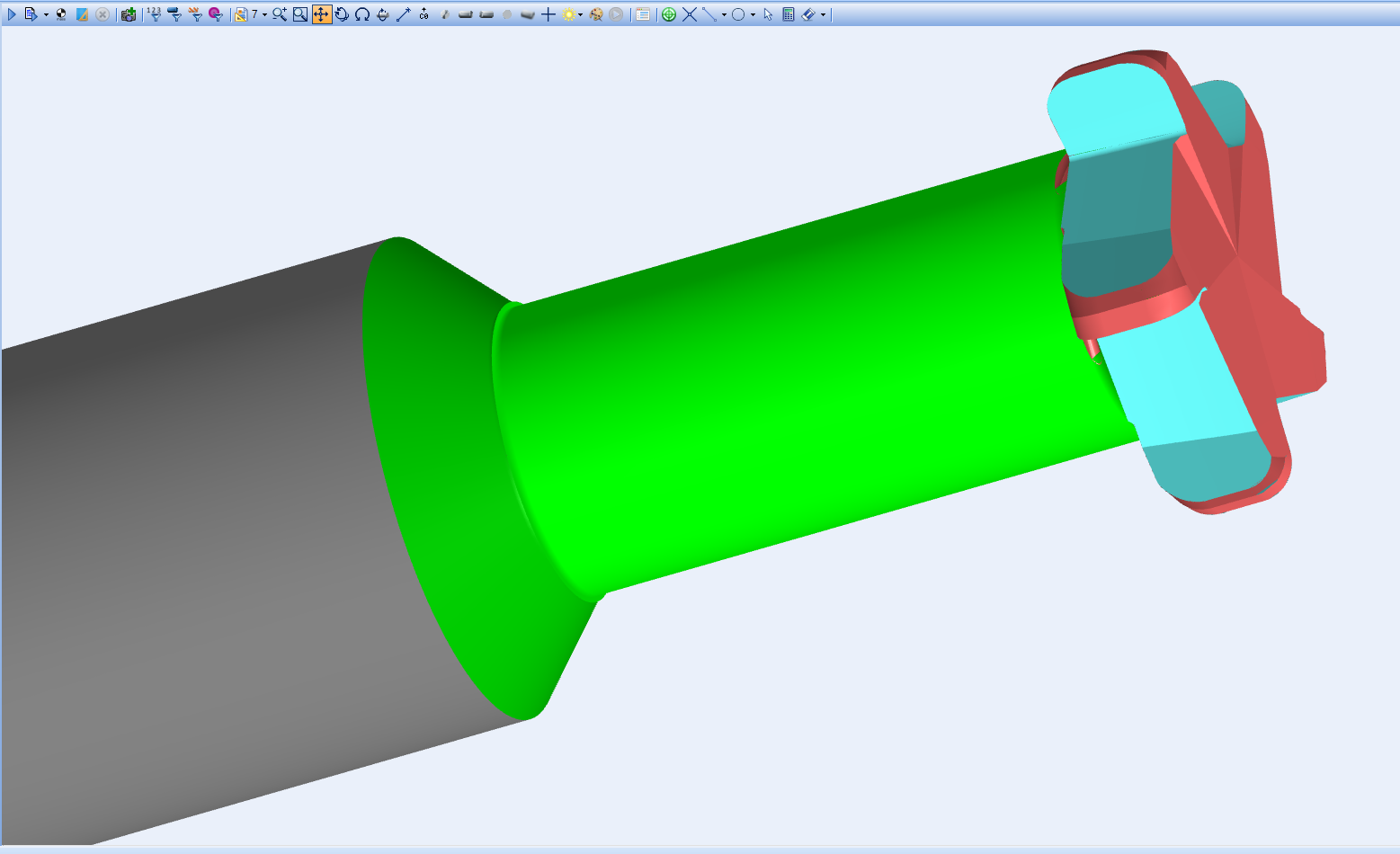
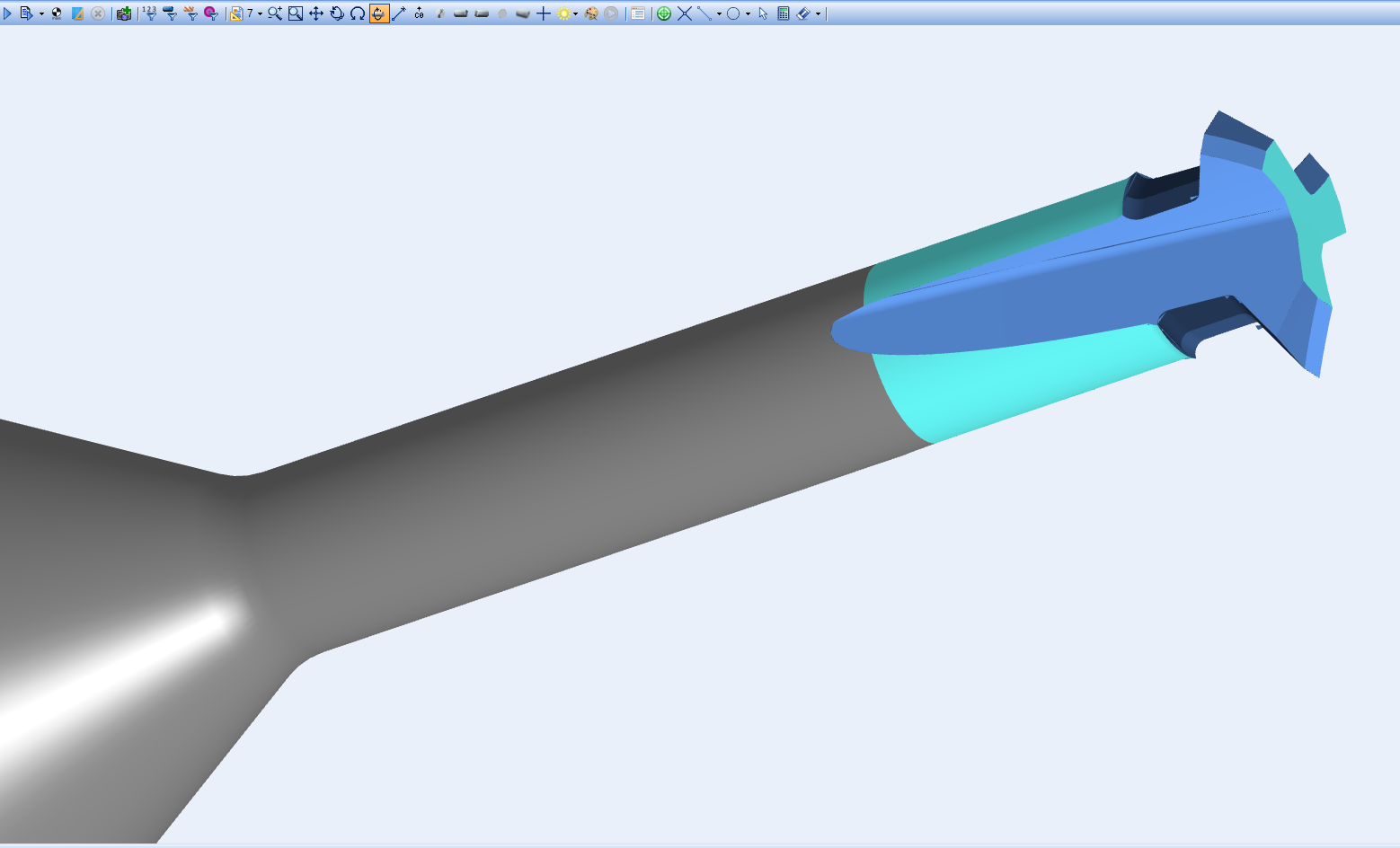
We offer customized solutions to meet specific needs in the energy sector, in addition to our standard range. Customization includes custom-designed tools for processes specific, ensuring optimal efficiency. We use special materials and coatings designed for high performance and resistance to conditions cutting extreme, ensuring reliability and high tool life.

FAQ
The energy industry uses cutting tools for milling, roughing, finishing, drilling, reaming, profiling, countersinking and threading components subjected to particularly demanding operating conditions.
Tool selection depends on the workpiece material, component geometry, required tolerances, temperatures generated during cutting and desired productivity.
Nuova Cumet offers carbide milling cutters, vibration-reducing and profile milling cutters, high-performance drills, reamers and custom cutting tools designed also for special steels, stainless steels, titanium alloys, Inconel and other nickel-based alloys.
Inconel and other nickel-based superalloys are difficult to machine because they retain high mechanical properties even at high temperatures and generate heavy thermal loads on the cutting edge.
For these operations, it is important to use carbide cutting tools with geometries capable of maintaining cutting stability, controlling heat and limiting wear.
Nuova Cumet offers milling cutters and cutting tools suitable also for nickel-based alloys and can develop customised solutions with geometries and coatings specific to the conditions of each machining operation.
Machining heat-resistant materials requires simultaneous control of temperature, cutting edge wear, chip evacuation and tool stability.
Geometry, carbide, coating, cutting speed, feed rate and coolant system must therefore be selected correctly.
For materials such as special steels, stainless steels, Inconel and other high-temperature-resistant alloys, Nuova Cumet offers specific cutting tools and solutions focused on process stability and tool life.
Tool life depends on the interaction between workpiece material, cutting edge geometry, carbide quality, coating, coolant delivery and cutting parameters.
When machining Inconel and special steels, it is particularly important to limit heat build-up and maintain cutting edge stability during material removal.
A geometry designed for the specific application and a suitable coating can help reduce premature wear and improve production process continuity.
Milling cutter selection mainly depends on the material, amount of material to be removed, machining depth and required surface quality.
For the most demanding operations, roughing cutters, profile cutters, vibration-reducing cutters and cutters specifically designed for heat-resistant materials can be used.
In critical applications, it is particularly important to select a geometry capable of controlling vibration and chip formation without compromising cutting edge life.
Vibration can reduce tool life, worsen surface finish and limit depth of cut and productivity.
To reduce it, system rigidity, tool overhang, depth of cut, speed, feed rate and cutting edge geometry must be considered.
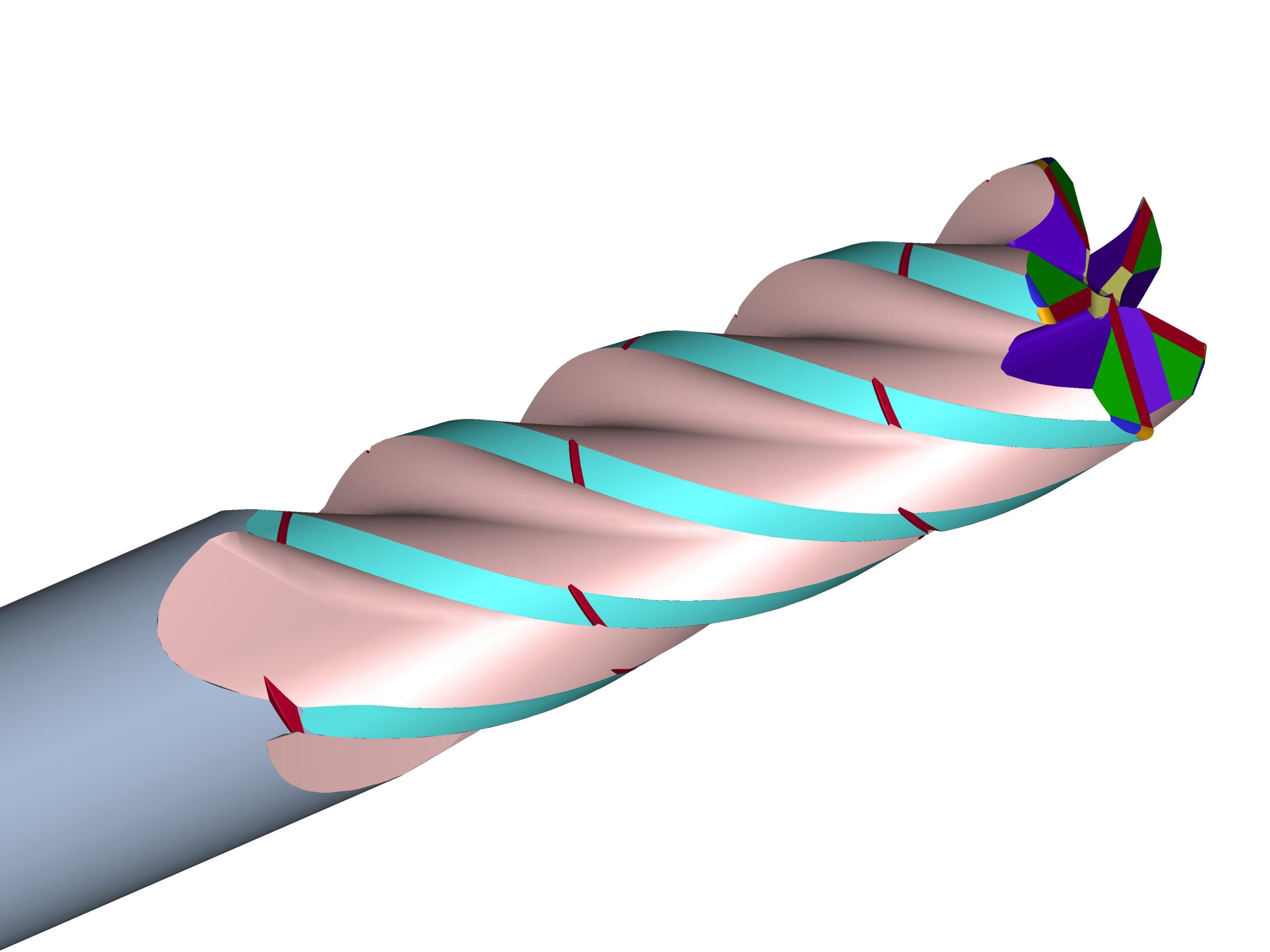
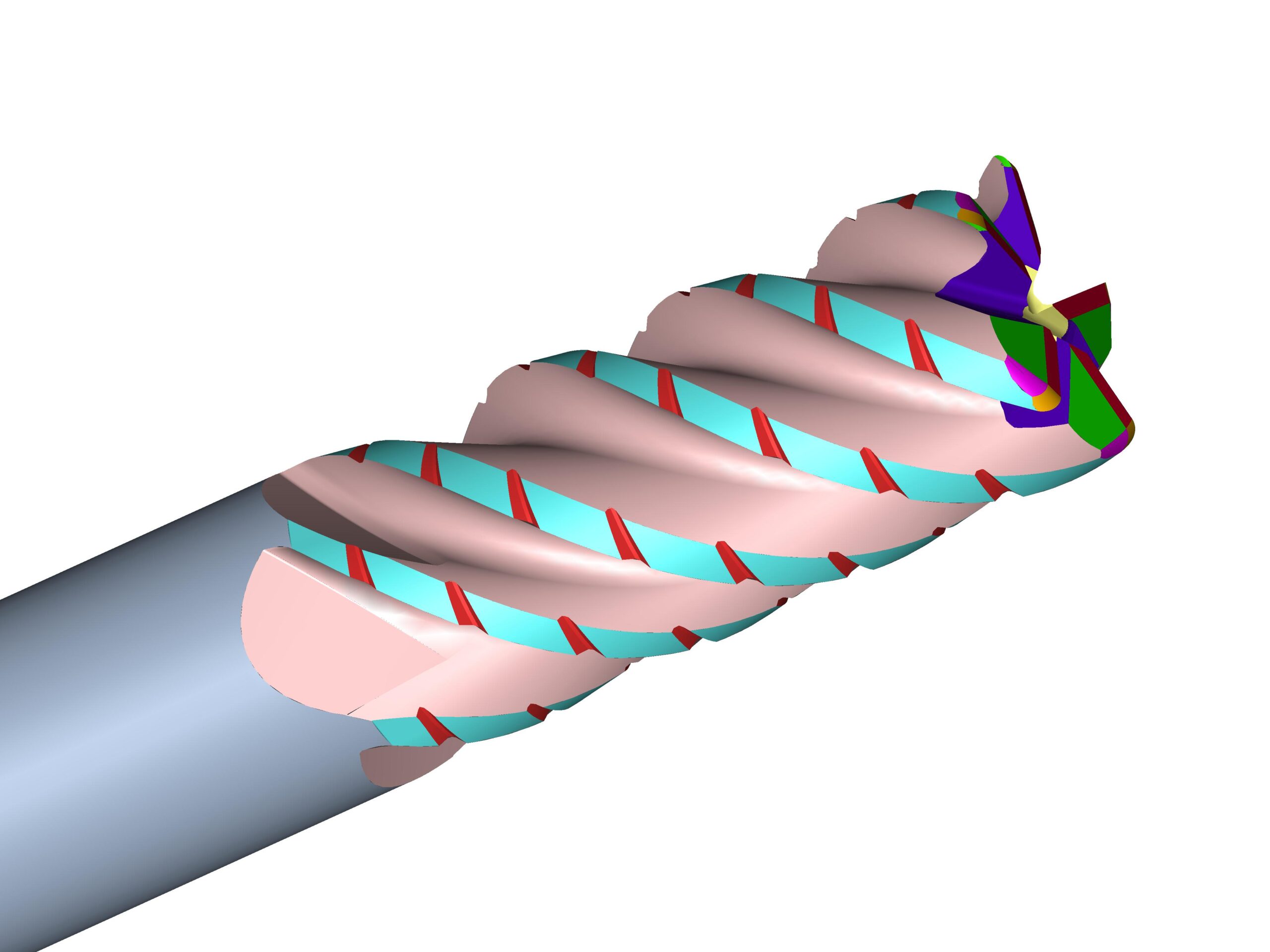
Nuova Cumet milling cutters can use vibration-reducing geometries with unequal cutting edge spacing and variable helix angles, designed to improve stability during material removal.
Components intended for turbines and energy plants can be made from special steels, stainless steels, titanium alloys and nickel-based superalloys, selected to withstand high mechanical and thermal loads.
Machining may require roughing and finishing milling cutters, drills, reamers and custom cutting tools.
When geometry, material or cutting conditions make a standard tool inadequate, a solution dedicated to the specific application can be developed.
Drilling Inconel and heat-resistant materials requires drills capable of maintaining cutting edge stability and evacuating chips effectively.
Drill geometry, coolant delivery, coating, speed and feed rate must be selected according to the material and hole depth.
Nuova Cumet offers high-performance drills, including drills with coolant holes, and can develop specific solutions for particularly demanding applications.
When tight dimensional tolerances and high surface quality are required, drilling can be followed by a reaming operation.
Reamers enable more precise control of hole diameter, geometry and finish.
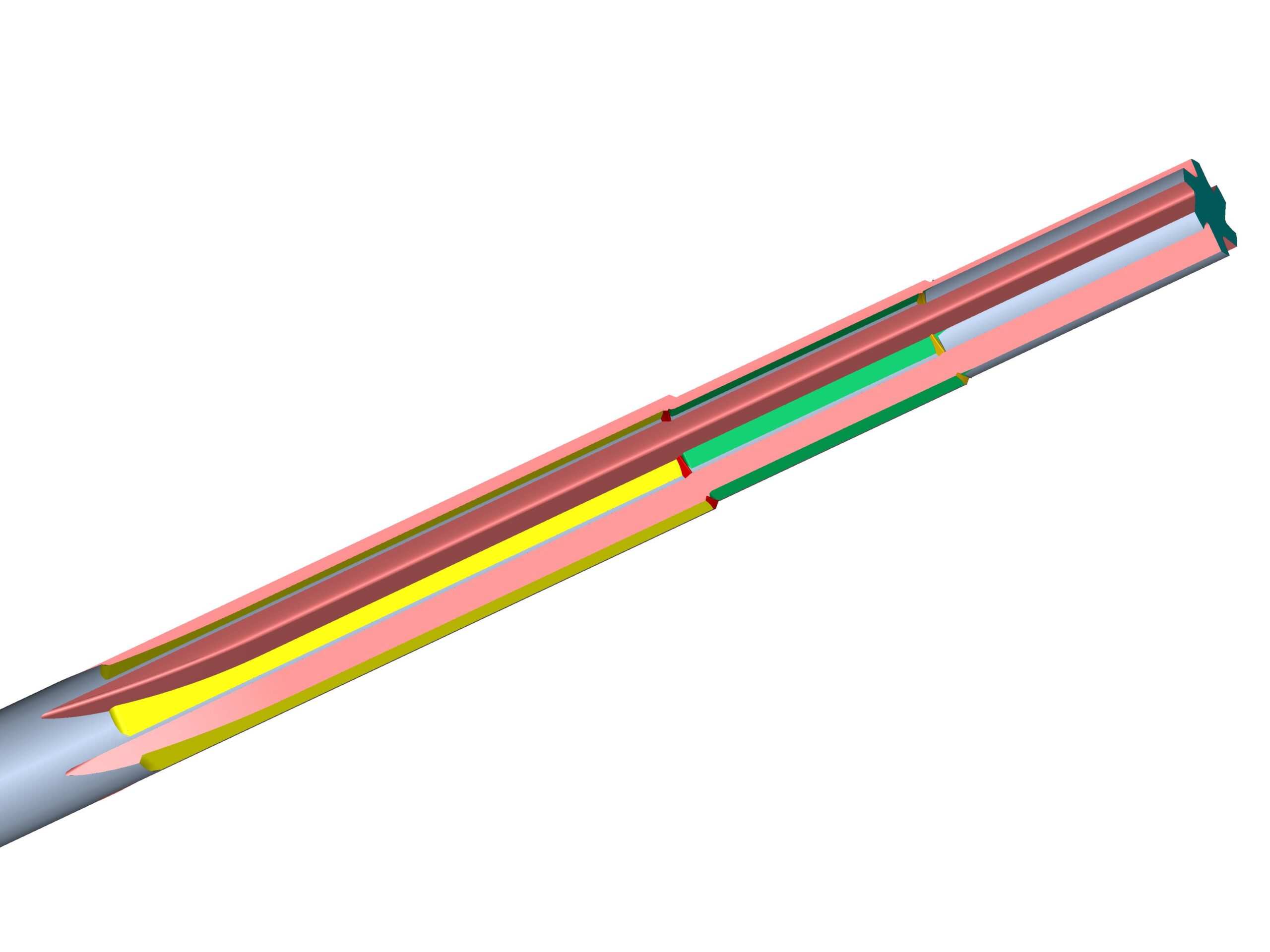
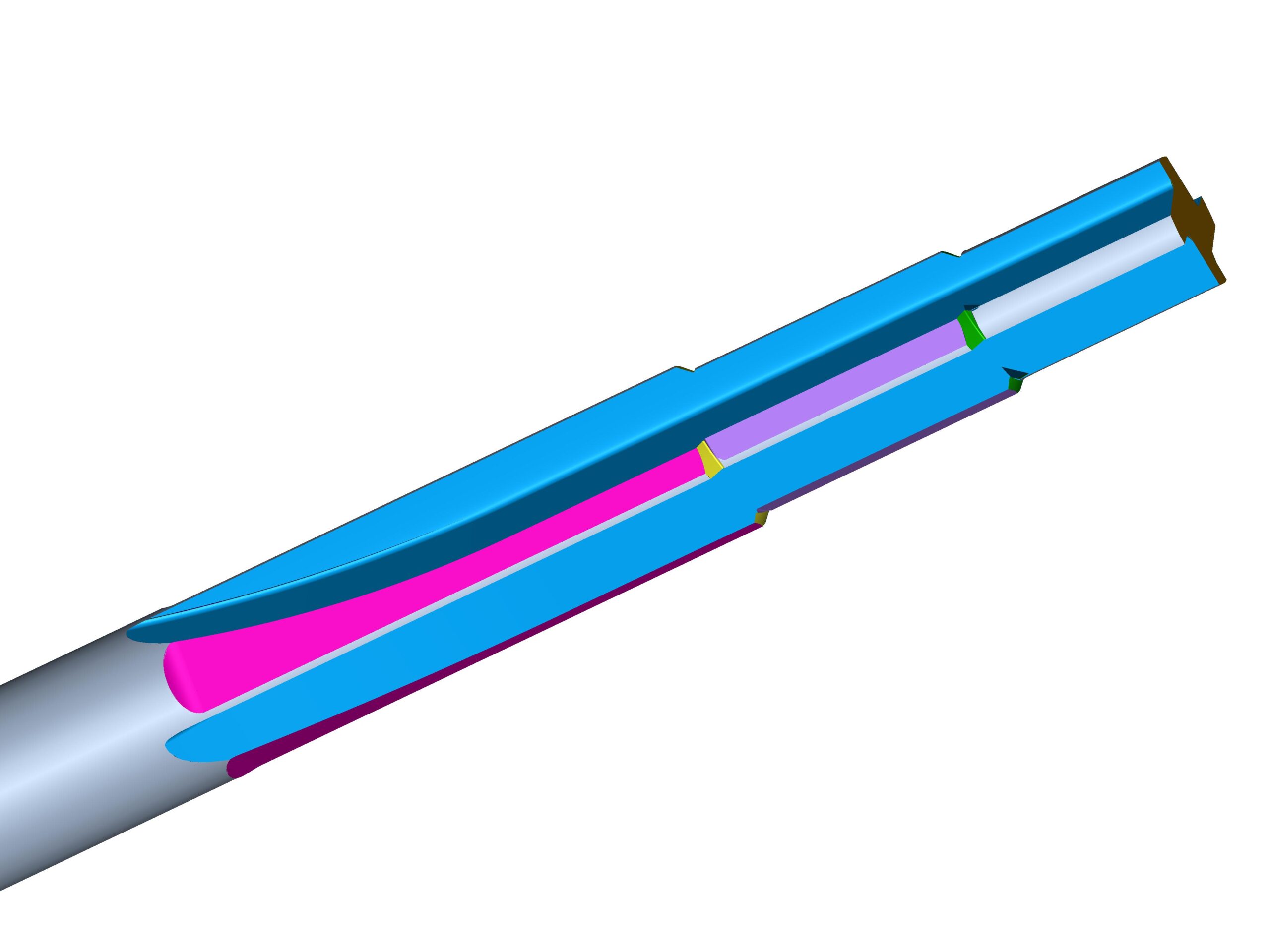
Nuova Cumet reamers also use geometries with unequal cutting edge spacing, designed to limit vibration that can compromise hole quality.
A custom cutting tool is suitable when a standard tool does not provide sufficient precision, tool life, productivity or stability.
It can be particularly useful for complex components, difficult-to-machine materials or distinctive geometries, or when several operations can be combined in a single tool.
Nuova Cumet can develop customised cutting tools by tailoring geometry, dimensions, number of cutting edges, coolant delivery and coating to the specific machining operation.
The coating must be selected together with tool geometry and machining parameters.
When machining hard steels, stainless steels and nickel-based alloys, coatings capable of resisting high temperatures and cutting edge wear are particularly important.
The choice must nevertheless be based on the material, type of machining operation, coolant delivery and actual cutting conditions.
In roughing, the aim is to increase the volume of material removed while maintaining process stability.
Chip-breaking and vibration-reducing geometries can enable greater depths of cut and material removal capacity while limiting vibration.
The correct combination of tool, machine, depth of cut, speed and feed rate reduces the time required for initial machining operations without excessively compromising tool life.
Surface quality depends on tool geometry and wear, machining stability, cutting parameters, material and rigidity of the machine–tool system.
Reducing vibration and uneven wear helps achieve more uniform surfaces and greater consistency between components.
For particularly critical machining operations, it may be useful to separate roughing and finishing, using specific geometries for each stage.
Yes. For applications that cannot be handled optimally with standard tools, custom cutting tools can be developed based on the component and production process.
Customisation can include profile, diameters, lengths, steps, cutting edge geometry, coolant delivery and coating.
The aim is to develop a cutting tool suited to the workpiece material and the precision, tool life, stability and productivity targets of the specific application.
To design a custom cutting tool correctly, it is helpful to have detailed information about the component and the process.
The following are particularly important:
- component drawing;
- material and its specification;
- type of machining operation;
- machine tool used;
- diameters and depths;
- required tolerances;
- surface quality;
- coolant system;
- cutting parameters;
- production quantity;
- tool currently in use;
- current tool life;
- any vibration, wear or breakage issues.
These data make it possible to design a solution focused on actual machining conditions, rather than just the nominal tool geometry.
contact us
Information
and support
For any questions, inquiries, or assistance, please feel free to contact us.
You can send an email directly to info@nuovacumet.it or fill out the contact form.
Your request is important to us, and we are here to assist you in the best possible way.